Reviewed · MARSEILLE
Marseille entre mer, colline et quartiers de caractères
Marseille on foot is one of those smart ways to read a city quickly. This private hike strings together sea views, character neighborhoods, and the big postcard finish at Notre-Dame de la Garde, all in one day.
I especially like the way the route mixes iconic stops with real, lived-in streets: the Pharo Palace viewpoint feels like a reward, then Vallon des Auffes brings you back to working harbor life. I also enjoy the fact that you’re not just looking—you’re walking the coastline, spotting fishing details, and getting local context from your guide.
One thing to consider: this is a sporty walking day. It’s not ideal if you’re low on fitness, have mobility limits, or you’re traveling with kids under 6.
In This Review
- Key highlights you’ll feel on this walk
- Getting your bearings at the Vieux-Port
- Up to Palais du Pharo for real panoramic payoff
- Vallon des Auffes: fishing-port charm with textures you can spot
- Anse de Malmousque and the coastline walk that slows you down
- Endoume and Bompard: Provençal streets plus a chance to taste
- Notre-Dame de la Garde: the hilltop finish with port-and-sea views
- Parc Puget and the walk back to the Old Port reset
- Price and pacing: is $46 good value for your day?
- Who should book, and who should skip
- Should you book Marseille entre mer, colline et quartiers de caractères?
- FAQ
- Where does the tour start?
- What are the main sights on the route?
- How long is the tour?
- Is this a private tour?
- What languages are offered?
- What should I bring?
- Is the tour suitable for young children or limited mobility?
Key highlights you’ll feel on this walk
- Pharo Palace views: big Mediterranean panoramas that make the effort worth it
- Vallon des Auffes: a classic fishing port with colorful huts, boats, and nets
- Anse de Malmousque: quiet sea-and-houses coastline moments for photos and pauses
- Notre-Dame de la Garde: the hilltop payoff with city, port, and sea all at once
- Endoume and Bompard: Provençal streets where everyday life shows up
- Parc Puget: green recovery space before you head back to the Old Port
Getting your bearings at the Vieux-Port
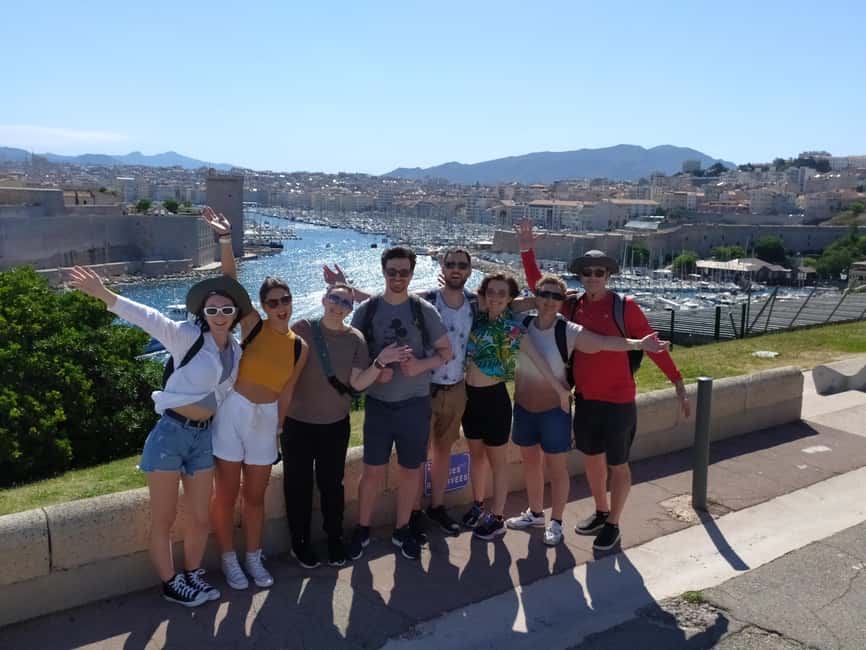
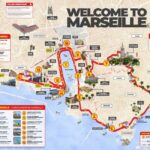
Your day starts near the metro station by the Vieux-Port, Marseille’s heart and the liveliest starting point. This matters because it’s the easiest place to orient yourself: you can see where the port sits, where the hills rise, and why the city feels so “together-but-tilted” along the water.
From the first steps, the tour sets a clear rhythm: you’ll move from the energy of the port to the calmer edges of the sea, then back up toward the heights. Expect frequent photo stops, guided turns, and enough time at key viewpoints to actually look—not just walk past.
Tip: wear shoes you trust. You’ll be on foot for a full day, and comfortable soles help you enjoy the stops instead of rushing to recover.
Still deciding? Line this one up against a few Marseille favourites before you book.
Up to Palais du Pharo for real panoramic payoff
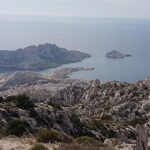
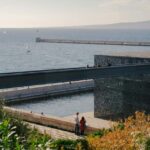
The hike climbs toward the Palais du Pharo, where the views are the headline. This hill is one of the best places to understand Marseille’s geography: the water stretches out, the port lies below, and the city’s coastline pattern becomes obvious in a way photos can’t fully teach.
You’ll spend about an hour here, including time for a guided visit and sightseeing. I like this part because it’s not just “pretty”—it gives you the mental map for everything that follows. After Pharo, Vallon des Auffes and the coves near Malmousque start to make more sense, because you know what you’re looking for.
If you’re the kind of person who enjoys history in small doses, this stop also works well: it’s framed as a viewpoint experience with enough context to connect architecture and setting.
Vallon des Auffes: fishing-port charm with textures you can spot
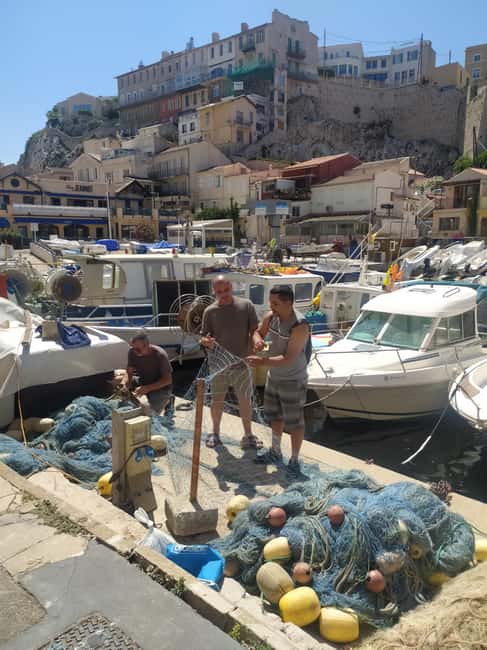
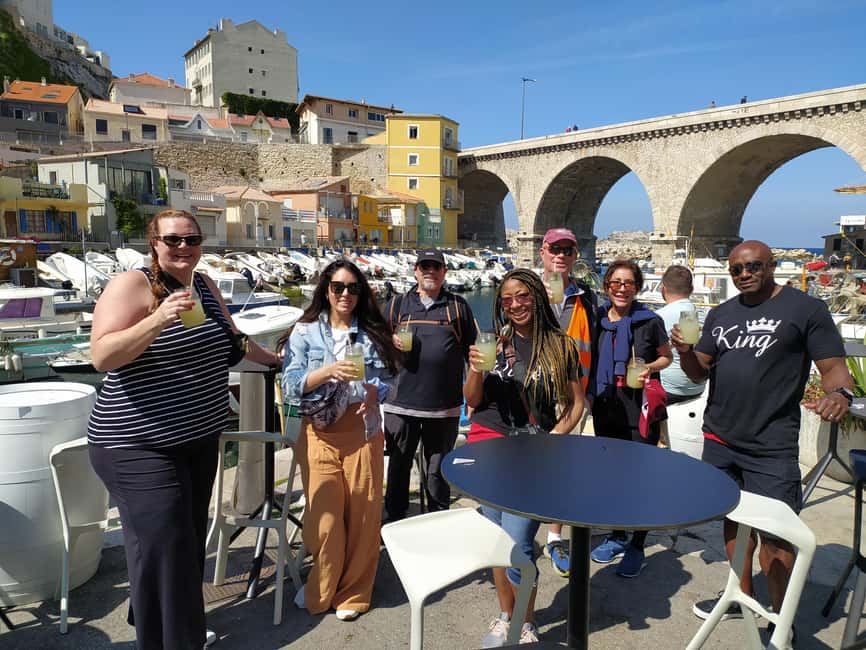
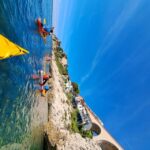
After the big-hill view, the tour shifts down to Vallon des Auffes, one of Marseille’s most picturesque fishing ports. What makes this stop special is the level of detail you notice when someone points it out: traditional colorful fishermen’s huts, boats at rest, and nets drying in the sun.
You’ll have around 45 minutes here, and that time is used for walking, photos, and guided sightseeing. This is also where the tour feels most “Marseille” to me, because it’s not a staged viewpoint. It’s a working-feeling harbor scene, with character you can see in the small stuff.
Practical note: bring sunglasses and sunscreen. This area is outdoors, and the lighting can be harsh, so you’ll be glad you planned for it.
Anse de Malmousque and the coastline walk that slows you down
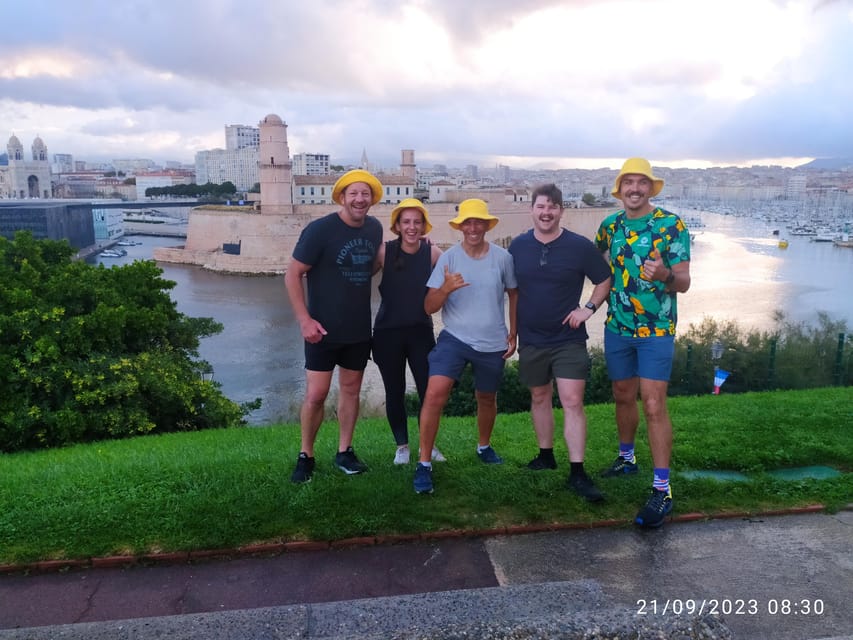
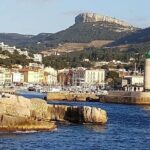
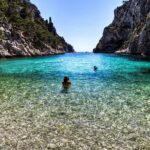
Next comes Anse de Malmousque, another beautiful sea-side stop where typical houses meet the water in a very Marseille way. Expect more photo and sightseeing moments—about 45 minutes—and a slower, more relaxed feel compared with the uphill sections.
This part is great if you want your day to include breathing space. The coastline stroll lets you step back from the “major sights checklist” and start noticing how people actually live next to the sea: the homes, the sea edge, the angles for photos, and the calmer pace of a preserved stretch.
If you like walking for the sake of walking (and not only for monuments), this is one of the best segments.
Endoume and Bompard: Provençal streets plus a chance to taste
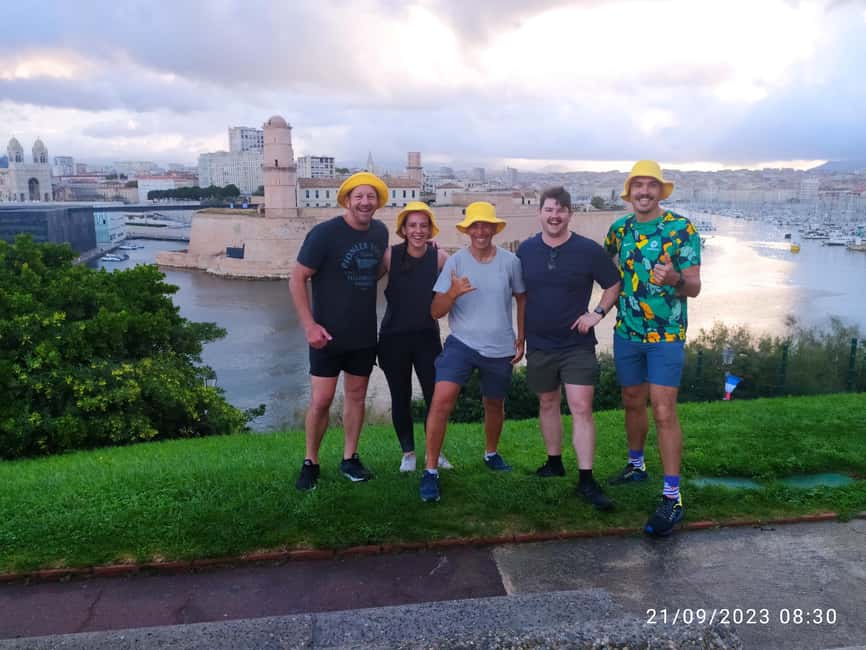
From the coves, the route brings you into Endoume and Bompard, neighborhoods known for narrow streets and traditional houses. This is where the tour stops being about scenery and becomes about atmosphere: you get the feeling of daily local life, not just landmark photos.
The plan includes a shorter stop time—around 30 minutes at Endoume—plus sightseeing, and an aperitif/food tasting opportunity is part of the experience. I appreciate that because it turns the walk into something more grounded. You’re not only learning the city visually; you’re sampling what people actually enjoy.
One word of advice: don’t overpack snacks before this. With food tasting built into the flow, you’ll get more out of it if you arrive ready to try and compare flavors.
This is also a good section for asking your guide specific questions. Private format helps here, since you can tailor what you want to learn: local specialties, neighborhood tips, or what to do later in the day when you return to the port.

Notre-Dame de la Garde: the hilltop finish with port-and-sea views
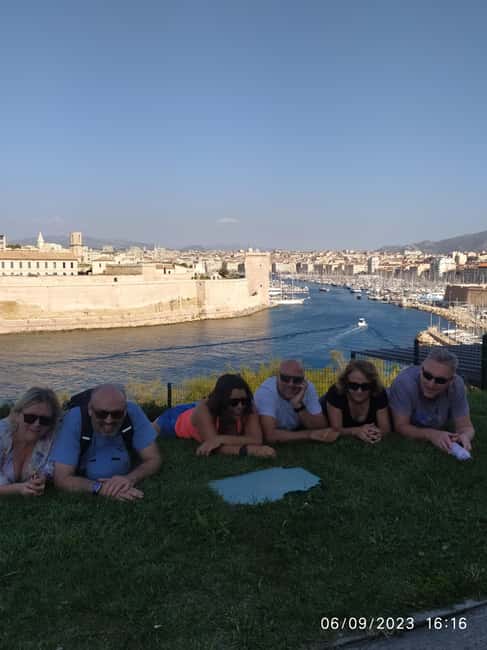
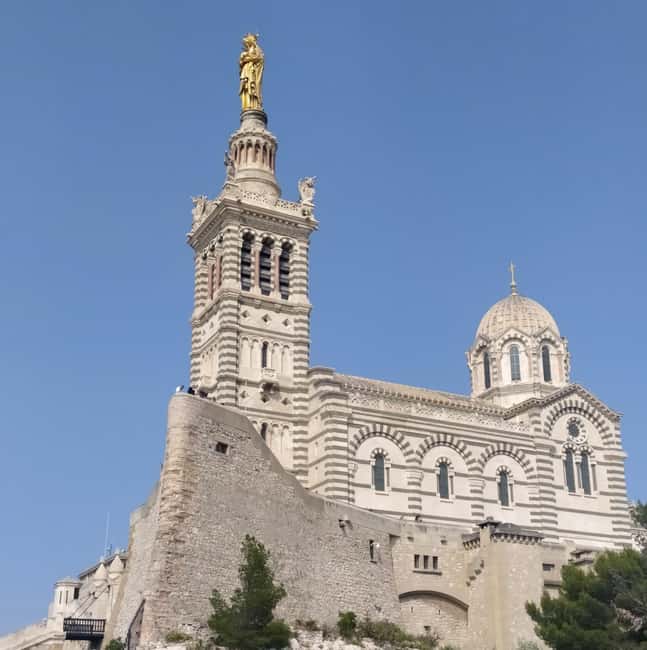
Then comes the most famous stop: Notre-Dame de la Garde, perched on a hill above Marseille. The tour gives you about an hour here, including a guided visit and a major photo opportunity.
What makes this basilica worth your time is the view. You reach a high point and you’re rewarded with a sweeping look over the entire city—the port, the sea, and the way Marseille’s districts stack up behind the coastline. It’s a classic “see the city from above” moment, but walking there on a single route helps it land harder, because you already saw the water and neighborhoods before you climbed to the final perspective.
If you’re photographing, take a minute before you rush in. Wait for a steady light angle, then get your widest shots first. After that, you can focus on details and the guided story.
Wear something comfortable for the climb and the standing time. Even if you move at a steady pace, this is the kind of place where you’ll naturally linger.
Parc Puget and the walk back to the Old Port reset
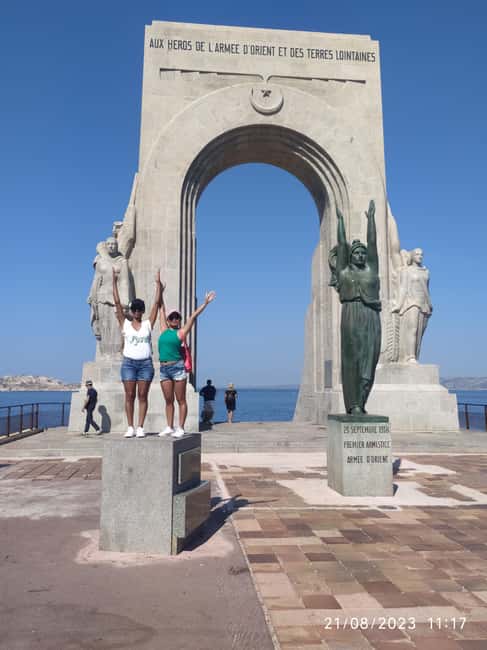
To close the loop, the route passes through Parc Puget, a green and peaceful space that works as a reset after the basilica hill. This is exactly the kind of stop that helps you finish the day without feeling wrecked. You’ll have a chance to relax, enjoy the gardens, and catch panoramic views again in a more gentle setting.
After that, you head back toward the Vieux-Port, where the atmosphere picks back up. This is where I like to plan my own final choices: grab a refreshing drink or a casual meal at one of the cafés or restaurants near the water, then let the day’s walking settle into your memory.
If you want a simple strategy: treat the end as free time. You’ve earned it.
Price and pacing: is $46 good value for your day?
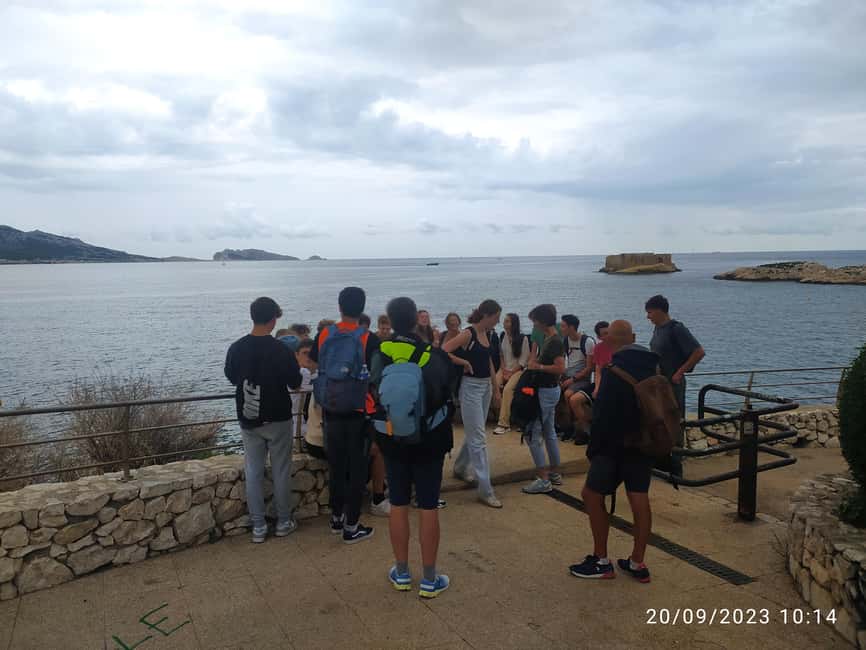
At about $46 per person for a private guided walking tour (with an English or French-speaking guide), the value comes from three things you actually feel:
First, you’re paying for a guide, not just a map. A good guide helps you interpret what you’re seeing—why Pharo matters, what to look for in a fishing port, and how neighborhoods connect to the broader city.
Second, the day is structured. You’re not left to figure out the order of sights or guess how long you’ll need for each viewpoint. That saves time and reduces the “we’ll wing it” stress.
Third, it’s private, which can mean a smoother pace and more room for questions. If your group wants slower photo breaks or you want to know where to go next after the tour, that flexibility usually matters more than squeezing into extra stops.
The only trade-off is the walking itself. This isn’t a slow, flat stroll, and it’s not designed for people with mobility impairments or low fitness. If you know your limits and plan for them (solid shoes, water, and breaks), it can be a very satisfying day.
Who should book, and who should skip
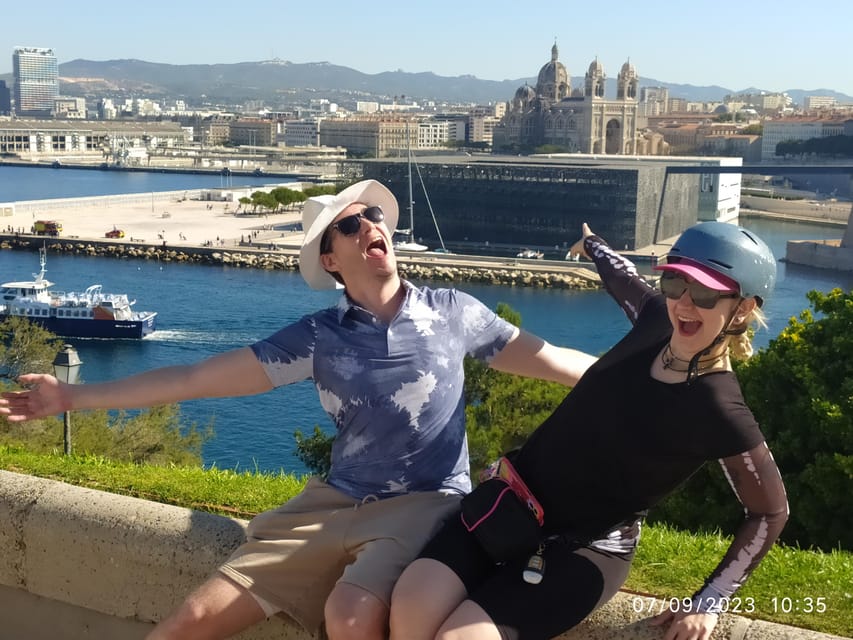
This tour is a strong match if you want to see Marseille from multiple angles in one day: port energy, hilltop viewpoints, fishing-port detail, and neighborhood street character. It also works well if you like guided context and don’t mind being active.
It’s probably not the best fit if:
- you need step-free routes or have mobility impairments
- you’re traveling with kids under 6
- you prefer shorter walks or very low exertion
- you don’t enjoy walking as the main activity
One more small but useful detail: guides can be attentive to what your group wants. In the experiences shared, Stéphane has been singled out for thoughtful pacing, answering questions, and a love for Marseille specialties—like La Navette to try. If you get a guide with that energy, the day can feel both informative and fun, not just scenic.
Should you book Marseille entre mer, colline et quartiers de caractères?
Yes, if you want an efficient, good-value day that mixes Marseille’s top sight moments with authentic neighborhood walking. The route makes sense: you start at the Old Port, earn the hill views at Pharo, slow down in coves and fishing areas, and finish at Notre-Dame de la Garde with the big panoramic payoff.
Skip or choose carefully if you’re not comfortable with a sporty walk. This is outdoors, it’s mostly on foot, and you’ll spend time climbing and standing at viewpoints.
My call: book it if you’re excited by views plus city texture, and you’re honest with yourself about your walking comfort.
FAQ
Where does the tour start?
It starts near the metro station on the port, at the Old Port of Marseille area.
What are the main sights on the route?
Key stops include Palais du Pharo, Vallon des Auffes, Anse de Malmousque, Notre-Dame de la Garde, plus neighborhood walking in Endoume and Bompard, and a stop in Parc Puget before returning to the Old Port.
How long is the tour?
The duration is 1 day.
Is this a private tour?
Yes. It’s listed as a private group with a private guide.
What languages are offered?
The live guide speaks English or French.
What should I bring?
Bring comfortable shoes, sunglasses, a sun hat/hat, camera, and sunscreen, plus comfortable clothes.
Is the tour suitable for young children or limited mobility?
No. It’s not suitable for children under 6, people with mobility impairments, or people with low fitness.