
Reviewed · CALANQUES HIKING & CLIMBING
Panoramic hike on Marseille from Les Calanques
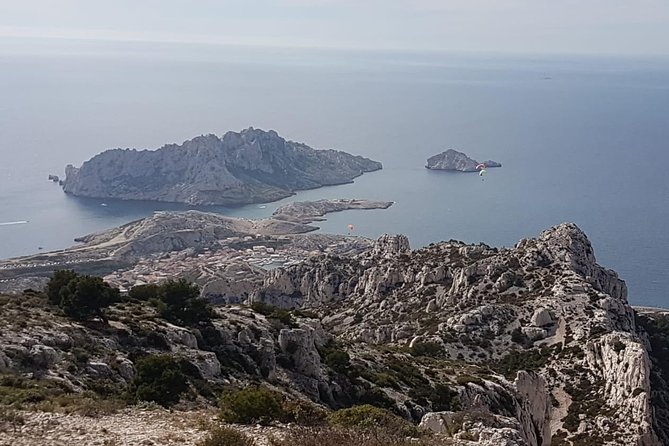
Marseille from above hits different. This hike strings together big views over the bay and Friuli archipelago, plus real time on trails through Pastré park and the Calanques National Park. I especially like the way you move through varied nature, with Aleppo pines, oaks, laurels, thyme, and juniper, then earn a wide panorama at the top of the cross. The main consideration: it is not a stroll—expect hands-on spots and some exposed passages on the descent.
I also like that the tour keeps the feel human-scale, capped at 15 people, and the guide keeps you progressing safely (one review called the guide patient). For me, the best value is that you get both the spectacle and the texture: caves, vegetation shifts, and a drop-down toward Callelongue and Goudes for a calmer end.
In This Review
- Key Things That Make This Calanques Panorama Hike Worth Your Time
- Why This Route From Marseille Works So Well
- Start Point: What to Know Before You Walk (184 Av. de Luminy)
- From Pastré Park to the Goat-Neck Cross: The Main Climb
- Stop Inside Parc National des Calanques: Bay Views You Can’t Fake
- Picnic at the Top: Why the Break Matters
- Descent Through Exposed Passages and Caves: Where Vigilance Counts
- Callelongue From Above: The Coast Makes Sense
- Goudes Finish and a Well-Deserved Wind-Down
- Price and Value: Is $40.72 Worth It?
- Eco-Tourism Style: What the Provider Is Trying to Do
- Terrain Reality Check: Moderate Fitness, Hands-On Moments
- Tips to Enjoy It More (Without Turning It Into a Project)
- Who Should Book This Hike?
- Should You Book Planetazur’s Marseille Calanques Panorama Hike?
- FAQ
- How long is the hike?
- What is included in the ticket price?
- Is private transportation included?
- Where does the tour start and end?
- What fitness level do I need?
- What happens if the weather is poor or I need to cancel?
Key Things That Make This Calanques Panorama Hike Worth Your Time
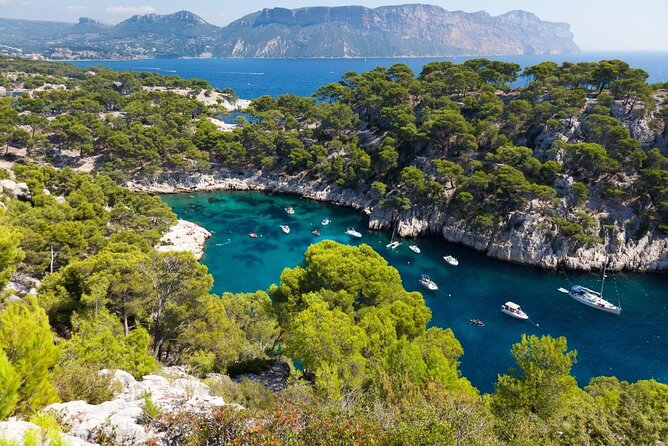
- Pastré park to the goat-neck cross: a steady route with a rewarding view payoff
- National Park scenery, no added entry cost: Parc National des Calanques admission is free
- Hands-on terrain, but not extreme: moderate fitness level, with occasional scrambling
- Descent through exposed passages and caves: more adventure than a standard viewpoint walk
- Callelongue from above: you see the coastline’s layout before you reach town vibes
- Ends relaxed in Goudes: a natural decompression after the tougher bits
Why This Route From Marseille Works So Well
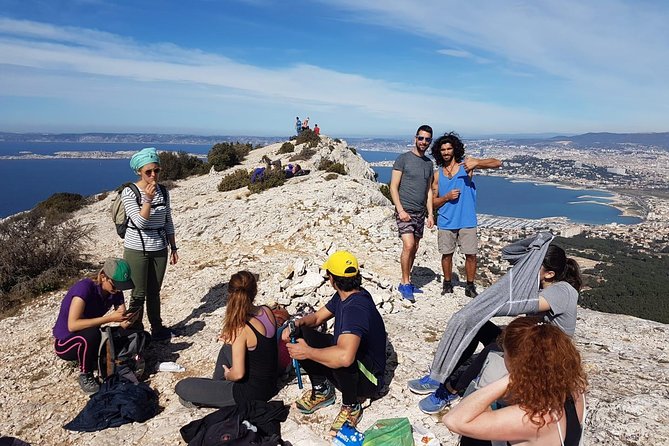
This is the kind of hike that feels like two trips in one. First, you get the city-to-sea perspective—Marseille’s southern districts, the Marseille canal area, and then the coast opening up into bay views. Second, you get the natural science part, even if you are not trying. The park is described with specific plants—Aleppo pines, oaks, laurels, thyme, and juniper—and that matters because it shapes how the trail feels and looks as you climb and descend.
And you are not just chasing a single postcard. The day flows from Pastré park upward to the goat-neck point at the top of the cross, then down through rougher sections with exposed bits, caves, and changing vegetation. Finally, you slide toward Callelongue and end at Goudes to relax. That arc keeps things interesting, instead of repeating the same view over and over.
The Calanques on foot, more trails and climbs
Start Point: What to Know Before You Walk (184 Av. de Luminy)
You meet at 184 Av. de Luminy, 13009 Marseille. The tour says it is near public transportation, which is a big deal here, because getting in and out of Marseille by car can be a headache.
The group size is small—maximum 15—so you should expect to move together at a steady pace rather than splitting into long lines. You also get a mobile ticket, so keep your phone charged. I’d treat the first 15–20 minutes as your gear check time: shoes tied, water situation sorted, and eyes on where you are stepping.
From Pastré Park to the Goat-Neck Cross: The Main Climb
The hike begins by crossing Marseille’s southern districts while talking about the area’s symbols, then it shifts into Pastré park. From there, the natural areas spread across several hectares and you get the plant mix that gives the Calanques their character—Aleppo pines, oaks, laurels, thyme, and juniper.
Then comes the climb toward the goat neck and the top of the cross. The tour description is clear that it is not overly difficult, but it does include spots where you may need your hands. That is a good warning to take seriously. It usually means the trail uses rocks or uneven footing where trekking poles might not help much. The trick is not rushing. Go slow, use your center of gravity, and trust the guide to route you around the trickier lines.
Stop Inside Parc National des Calanques: Bay Views You Can’t Fake
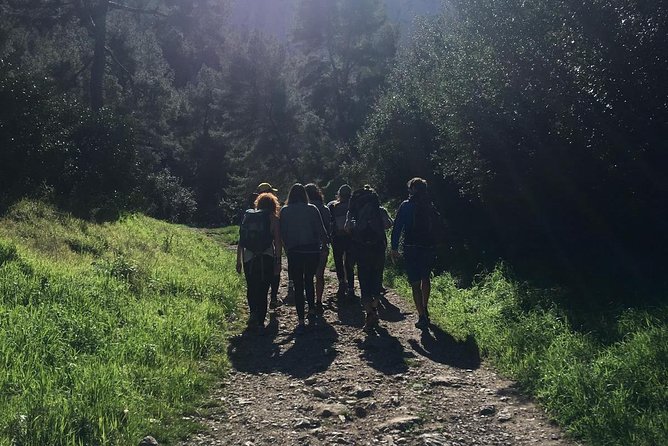
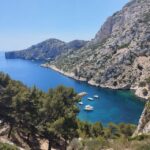
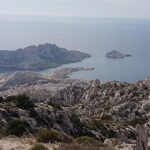
At the Parc National des Calanques portion, the big payoff is the panorama over Marseille bay. You also get views toward the archipelago of Friuli and the island of Riou. This is the part where the whole hike stops feeling like exercise and starts feeling like geography.
The tour notes that the admission ticket is free. Translation: you are paying for the experience and guidance, not for a park entry fee. That is a small but meaningful value point, especially since you are spending hours outside anyway.
Picnic at the Top: Why the Break Matters
Once you reach the top, it is time to picnic and enjoy the panorama. I like this structure because it turns the climb into something with a clear endpoint. You get a rest when your legs are already warm, then you can enjoy the view without that post-effort rush where you only stare for 30 seconds and then sprint back to the group.
For your planning: snacks are included, but a picnic implies you should bring what you want to eat and drink. The tour includes snacks, so you are not going to be empty-handed, but you may want extra water and your own comfort items. In this terrain, hydration matters more than you think.
A few more Marseille tours and experiences worth weighing up before you book:
Descent Through Exposed Passages and Caves: Where Vigilance Counts
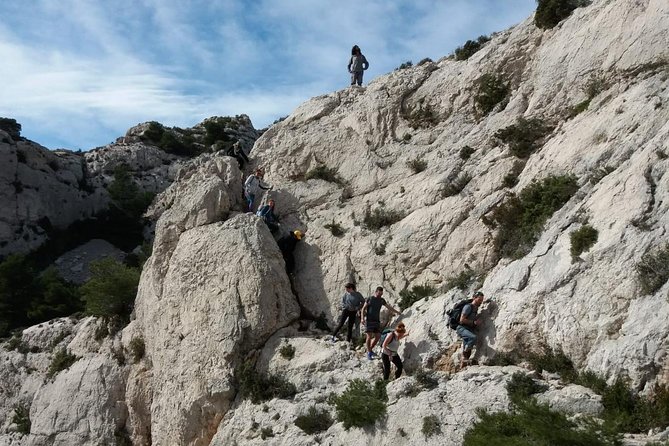
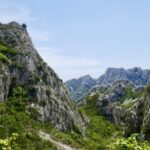
After the views, the trail turns downward. The descent goes through parts described as exposed, where you need all your vigilance. That does not mean it is dangerous if you act responsibly—it means you should keep your focus high and avoid letting the adrenaline of the scenery make you sloppy.
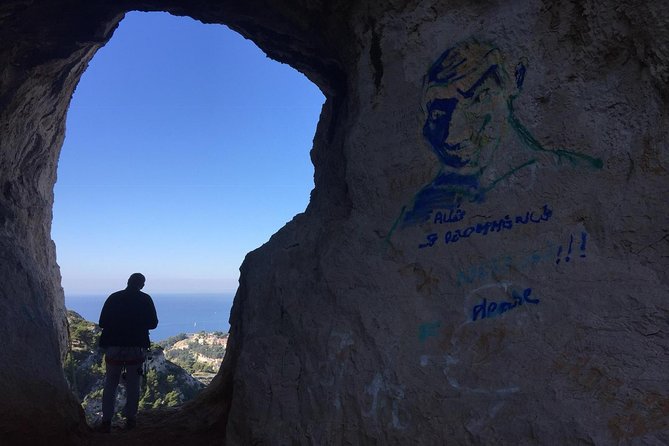
After a few minutes, you encounter caves and the vegetation changes. I like this because it breaks up the descent visually and mentally. Instead of a long line of similar steps, you get a sequence: exposed bits, then cave areas, then different plant cover as you move toward Callelongue and the later part of the route.
This is also where your footwear pays you back. Good grip and a solid sole help you feel confident on uneven rock. If your shoes are worn smooth, this is not the day to learn that lesson.
Callelongue From Above: The Coast Makes Sense
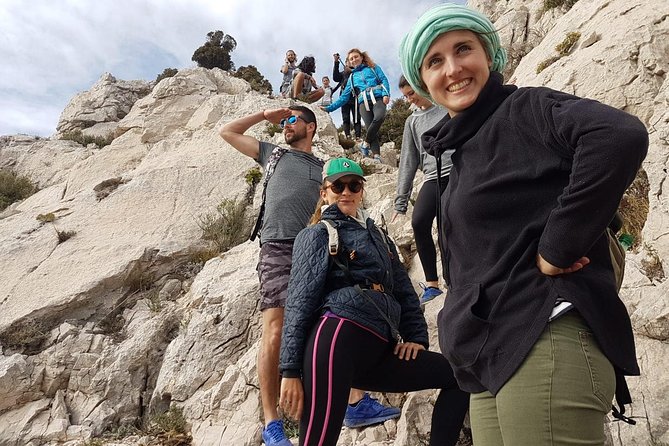
As you approach Callelongue, the trail gives you views of the area from above. That’s an underrated part of hiking in coastal places: seeing the coast’s shape from the right angle makes the rest of your time there easier to understand.
Callelongue is appreciated from the vantage point, so even if you are not planning a long stop there, the timing matters. You are at the height, then you gradually transition toward it. It feels like the hike is giving you the map before you reach the ground-level streets.
Goudes Finish and a Well-Deserved Wind-Down
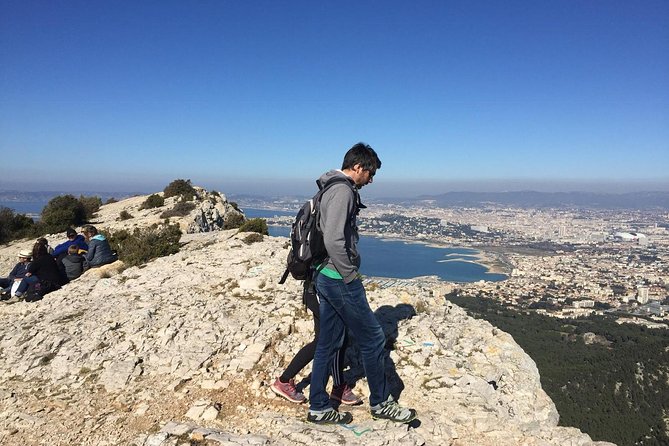
Once you reach the Callelongue area, you keep walking to Goudes to relax. The tour frames this as a calmer ending after the more attention-demanding descent. I like finishing like this because you do not just stop abruptly—you get that gradual recovery.
Think of it as the payoff after effort: you’ve earned the views, you’ve navigated the careful sections, and now the pace is about letting your body settle. If you want to pair the hike with a meal or an easy late afternoon in town, this finish direction sets you up well.
Price and Value: Is $40.72 Worth It?
The price is listed at $40.72 per person, typically booked about 10 days in advance on average. Here is how I’d judge value.
You are paying for:
- A guided route through a protected area (with a focus on eco-tourism practices)
- A small group experience (max 15)
- Snacks included
- The route logic: climb, viewpoint picnic, careful descent, then coastal transitions
What you are not paying for:
- Private transportation
For $40.72, the value comes from guidance plus time on the trail with an organized plan. If you were doing this solo, you might save the guide fee—but you’d also lose the flow, the plant and nature context, and the built-in safety mindset for exposed passages. In other words, the “why” and “how” are part of what you are buying.
Eco-Tourism Style: What the Provider Is Trying to Do
The tour is run by Planetazur, and the description focuses on eco-tourism principles: proximity criteria, local consumption, well-being, preservation of historical and cultural heritage, and sustainable development initiatives. It also mentions strategies to minimize ecological footprint.
You don’t need to become an activist to appreciate this. In plain terms, it signals that the guide and operator likely treat the route responsibly and think about how tours impact the place. On trails like this, that matters, because human behavior—staying on the right path, keeping impact low, respecting natural areas—affects what future hikers will see.
Terrain Reality Check: Moderate Fitness, Hands-On Moments
The tour says you should have moderate physical fitness. That’s the right phrase for a hike that includes:
- A climb to the goat-neck cross with sections where you might use your hands
- Exposed passages on the way down that require vigilance
- Caves and changing terrain
If you are comfortable on uneven paths and you do not mind using hands occasionally, you are probably a fit. If you prefer flat, fully paved routes, this may feel like too much.
Also, the tour works only with good weather. So if you hate slippery rock or sudden mist, keep that in mind.
Tips to Enjoy It More (Without Turning It Into a Project)
Since the route includes exposed and rocky sections, treat your preparation like a confidence tool, not a checklist for its own sake.
- Wear shoes with solid grip; you will be stepping on uneven ground.
- Bring your own water and anything you need for the picnic. Snacks are included, but your comfort still matters.
- Plan for slower movement on the descent. The view is great, but safety comes first in exposed sections.
- For photos, the tour asks you to authorize publication of images you take part in, so if you care about privacy, read that prompt carefully when booking.
Who Should Book This Hike?
This hike is a strong match for:
- People who want spectacle views without doing an all-day expedition
- Hikers who can handle occasional hands-on sections and exposed footing
- Anyone who likes their sightseeing guided, with plant and terrain context
- Small-group travelers who prefer something less crowded and more personal
It may not be ideal for:
- Anyone who wants an easy, fully accessible walk with no tricky footing
- People who are very uncomfortable with exposure (even if the guide keeps you safe)
Should You Book Planetazur’s Marseille Calanques Panorama Hike?
I’d book it if you want a guided Calanques experience that mixes city-to-sea viewpoints with a real hike through varied nature. The route makes sense: climb, picnic with a wide look over Marseille and the Riou area, then a more demanding descent with caves and exposed passages, finishing with a relaxed stretch toward Goudes. Add in the small group size and included snacks, and it feels like solid value for a half-day outdoor plan.
I would skip it if your idea of a good hike is smooth paths and minimal attention to footing. This isn’t a bad hike—it is just honest about being active and a bit technical at points.
FAQ
How long is the hike?
It runs about 4 to 5 hours.
What is included in the ticket price?
Snacks are included, and you’ll use a mobile ticket.
Is private transportation included?
No. Private transportation is not included.
Where does the tour start and end?
It starts at 184 Av. de Luminy, 13009 Marseille, France, and it ends back at the same meeting point.
What fitness level do I need?
You should have a moderate physical fitness level. The route includes some sections where you may need your hands and some exposed passages on the descent.
What happens if the weather is poor or I need to cancel?
The experience requires good weather. If it’s canceled due to poor weather, you’ll be offered a different date or a full refund. You can cancel for free up to 24 hours in advance for a full refund.
More Trails Around Marseille
More Tour Reviews in Marseille

The Calanques on Foot
Just Added: Fresh Marseille Reviews


Calanques Hiking & Climbing, compared.
 ★ 4.9Calanques National Park Guided Hike with PicnicFrom $41516 reviews
 ★ 4.8Calanques National Park Guided HikeFrom $41489 reviews
 ★ 4.5Hiking in the Calanques National park from MarseilleFrom $42211 reviews
 ★ 4.9Urban Hiking Tour with a Local GuideFrom $46198 reviews
 ★ 4.7Cassis: 3 Calanques Half-Day Hiking Tour with SwimmingFrom $51158 reviews
 ★ 4.8Guided Hiking Calanques National Park from LuminyFrom $47100 reviews
 ★ 4.0Rando-Palmée Getaway Around an islandFrom $6854 reviews
 ★ 5.0Guided hike in the Calanques National ParkFrom $4737 reviews
Browse the lists this tour appears in