
Reviewed · MARSEILLE E-BIKE & CYCLING TOURS
Marseille Shore Excursion: Calanques National Park by Electric Mountain Bike
Calanques by e-bike turns a far-off coast into a doable ride. I like the mix of big scenery and real work from the pedals, plus you get port pickup and drop-off so your cruise day stays simple. One thing to know up front: this can feel like mountain-biking with steep bits, so you’ll want comfort with shifting and braking.
You’ll start near the sea at Pointe Rouge, roll through roads that normally aren’t open to cars, and then spend real time in the Calanques National Park around places like Calanque de Sormiou. It’s a great half-day change from straight city sightseeing. If you’re looking for flat, easy cruising only, this tour may be more effort than you want.
In This Review
- Key points before you go
- Why Electric Bikes Work So Well in the Calanques
- Shore-Port Pickup to Pointe Rouge Start: What the Morning Feels Like
- Route Highlights From Roy d’Espagne to Calanque de Sormiou
- The Part That Needs Real Bike Skills: Braking and Descents
- Pastré Castle, Canal de Marseille, and Marseilleveyre Cliffs
- Stops for Sea, Birds, and Local Heritage (What You Actually Get)
- Electric Bike Value, Price, and What’s Missing
- Who This Tour Fits Best (And Who Should Think Twice)
- My Take: Should You Book This Calanques E-Bike Ride?
- FAQ
- How long is the Marseille Calanques electric bike shore excursion?
- What does the price include?
- Does the tour include food or drinks?
- Is port pickup and drop-off included for cruise guests?
- What group size should I expect?
- What language is the tour offered in?
- What happens if the weather is bad?
Key points before you go
- Electric pedal assist helps you reach the Calanques even with steep climbs
- Small group (max 12) and a guide who handles navigation and commentary
- Port pickup and drop-off keep the cruise-day logistics low-stress
- Steep climbs and descents mean you should be confident with braking and gear changes
- Optional detours toward Madrague de Montredon or Goudes if time allows
Why Electric Bikes Work So Well in the Calanques
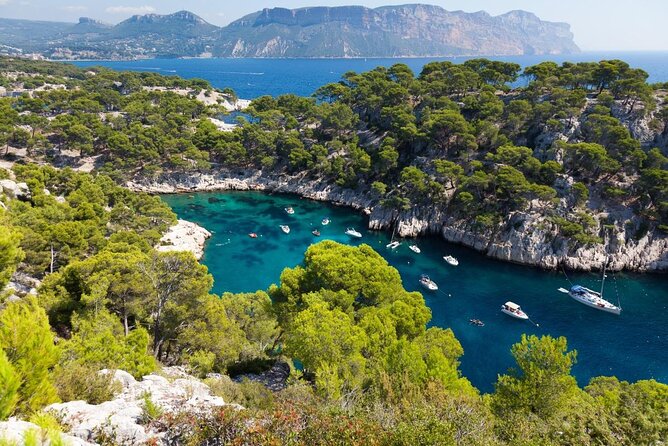
The Calanques National Park is close to Marseille, but it’s not built for casual wheels. From May 1 to September 31, access for motor vehicles is restricted, and that’s a big part of why this style of tour works so well. You get to be in the park without needing a car timetable or wasting time on transfers.
An electric mountain bike also changes the vibe. You’re not just being carried up hills. You still pedal, you just get help when the grade jumps. That matters on this route because you’ll cycle from the city edge into park roads and passes, then return the same way for part of the ride before cutting into other tracks.
It’s a smart compromise: you get movement and views, with less “stuck in traffic” feeling. And because the guide controls the pace and routing, you can focus on the scenery instead of constantly reading the road.
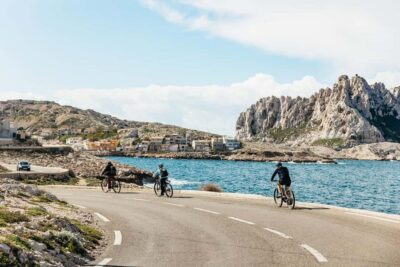
The coast on two wheels, more e-bike rides
Shore-Port Pickup to Pointe Rouge Start: What the Morning Feels Like
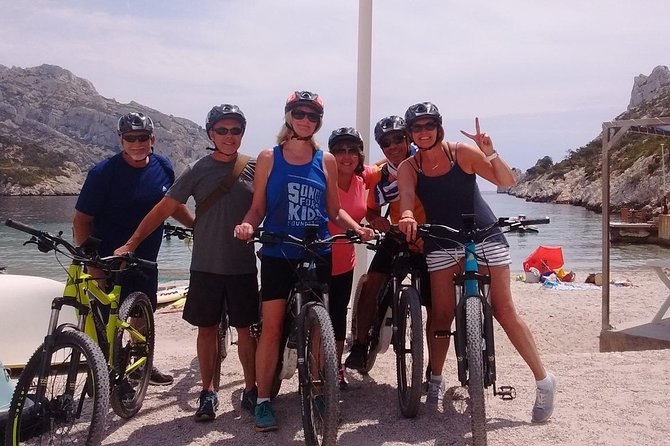
Your morning starts with pickup from your cruise terminal. Plan on a transfer of about 25 minutes in a minivan or taxi to the starting area near the sea. This is one of the best parts for cruise passengers: you don’t have to figure out local transport or hunt for the meeting spot with a schedule that could slip.
Once you arrive, you’ll get familiar with the electric mountain bike settings (pedelec). Don’t treat that as a formality. Take a few minutes to test how quickly assistance kicks in and what you feel on the brakes before you join the group’s flow.
Also, expect helmets. A certified helmet is included, and at least one rider’s feedback highlighted the importance of wearing it properly and snugly. I always recommend you do a quick self-check once it’s on—chin strap secure, no wobbling.
This is a small-group outing (max 12), and that size tends to make it easier for the guide to regroup and keep everyone moving together. It’s still outdoors, still a ride day, so come ready for sun, wind, and occasional grit on park roads.
Route Highlights From Roy d’Espagne to Calanque de Sormiou
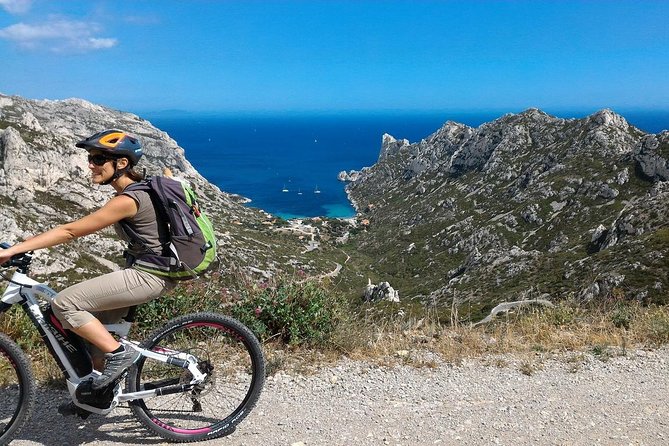
After the bike setup, you’ll roll out from the Pointe Rouge area through small roads that quickly lead you into the green hills near Roy d’Espagne. From there, you ride along a road normally closed to traffic through la Cayolle. That detail matters. Closed roads usually feel quieter and less “city traffic” and more like you’re entering a protected zone.
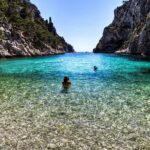
Next comes Cortiou’s Pass, followed by the ride to Calanque de Sormiou. This is the heart-of-the-day payoff: you’re in the National Calanques Park with dramatic cliffs and water so clear it looks staged—like someone painted it and forgot to add the rest of the world.
From there, you’ll reach a small fishing port and nearby hamlet. This isn’t just scenic fluff. Seeing how people connect daily life to this coastline gives you context. Then you head toward a small beach area in the Calanques Park where you’ll have time to relax, take photos, and—if conditions are right—go for a swim.
A key note: food and drink are not included, so if you want a proper post-swim snack or a cold drink by the water, plan ahead. Even if the tour offers stops, you shouldn’t rely on meals being part of the plan.
On the way back, you’ll use the same road until la Cayolle. That means your first half sets you up for a calmer read of the scenery on the return: you already know what you’re aiming for, so you can enjoy the changing angles instead of chasing them.
The Part That Needs Real Bike Skills: Braking and Descents
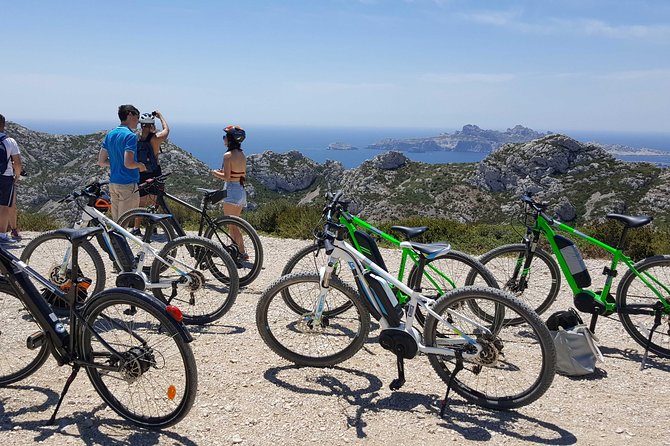
Let’s be honest: this isn’t a flat promenade ride. You should have good enough bike control to handle steep sections, rougher surfaces, and descents. The tour description calls for moderate physical fitness, but at least one review flagged the experience as high intensity and tied to experienced mountain-biking skills—steep inclines, steep declines, and rough terrain.
Electric assist helps climbing, but it doesn’t magically erase downhill physics. You still need to:
- shift gears confidently
- brake smoothly on descents
- stay aware around turns and traffic circles (even if you’re avoiding busy roads for most of the route)
One rider even described following the guide down a hill at fast speed, with mentions of braking and helmet-fit concerns. I’m not saying every group rides like that—but it tells you what “good” bike control means here. If heights, speed, or steep grades make you tense, speak up early. A good guide will adapt. A less experienced rider can also struggle simply from fear, which makes braking harder, not easier.
On the flip side, you’ll also see strong praise for guides being attentive and educational, with one named guide, Franck, described as very educational and attentive. That’s the balance: the guiding is often high-quality, but your own comfort level determines whether the ride feels like adventure or stress.
Bottom line: if you’re bringing teenagers or older family members, don’t assume e-bikes make everything easy. Bring confidence in basic mountain-bike moves, or consider a more gentle cycling option.
Pastré Castle, Canal de Marseille, and Marseilleveyre Cliffs
After you return to la Cayolle, you go back into the Calanques National Park again, now heading toward Pastré Castle using larger tracks and easier paths. This is a nice rhythm shift: you’re still in park mode, but you’re not constantly in the most technical feel of the ride.
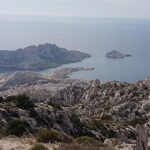
From there, the route moves to the Canal de Marseille area. You’ll pedal along the canal sides in a shaded stretch, with dramatic cliffs from Marseilleveyre around you. This section is where the ride can feel like the best of both worlds: movement plus a cooler break from sun.
There’s also room for choice. Depending on time and your desire, you might take detours toward the port of Madrague de Montredon or Goudes. Those options matter because they can change how “coastal” your day feels at the edges of the route. If you want more time near smaller waterfront areas, detouring can be worth it—just know it might come at the expense of a longer break elsewhere.
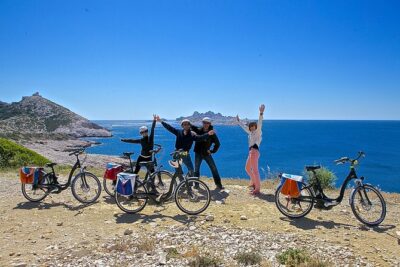
Off the ship and into Provence, more shore runs
Stops for Sea, Birds, and Local Heritage (What You Actually Get)
This ride includes multiple stops for discovery—heritage, fauna and flora, and observations under the sea or in the air. Those stop points are part of what makes this more than just riding from A to B.
On a typical day like this, the best stops are the ones that let you:
- pause and take photos without rushing
- scan for birds or notice plant types on cliffs and slopes
- orient yourself so the coastline makes sense
And you’ll likely get little moments like spotting small fishing areas, seeing how the hamlet sits in the setting, and getting the guide’s explanations as you ride. Even if you’re just after scenery, these pauses help the day feel human-sized instead of like a long cardio test.
One rider also noted that the guide allowed time for hiking and picture-taking spots. That’s a good sign for cruise visitors who want more than a checkbox view.
Electric Bike Value, Price, and What’s Missing
At $144.57 per person for about 3 hours, this isn’t a bargain tour—but it’s not overpriced for what’s included either. Here’s where the value comes from:
You get:
- a professional guide
- use of an electric mountain bike
- a certified helmet
- port pickup and drop-off
For a cruise day, pickup/drop-off is often where value lives. It’s time saved and stress avoided. Add the bike and guide, and you’re not just paying for scenery—you’re paying for transportation, equipment, and route knowledge.
What’s missing is also clear: food and drink aren’t included. That means you should plan for your own water and snacks. If you like having a proper meal after the ride, keep the post-tour dining slot open—don’t schedule yourself for another rushed stop right away.
Who This Tour Fits Best (And Who Should Think Twice)
This tour is aimed at people with moderate physical fitness and enough comfort on a bike to handle steep and uneven conditions. It’s described as suitable for those in good shape, and reviews back up that e-bikes make the hills more doable—but not entirely “easy.”
I’d especially consider it if you want:
- a faster way to see major Calanques areas without a car
- guided stops for context and photos
- a small-group day that feels outdoorsy but controlled
It can work well for teens if they have decent bike control. One family did the ride with kids around ages 14 and 12 and reported fun, easy-to-use bikes, plus lots of photo breaks. That suggests the guide pacing and assistance can work for young riders when they’re ready.
I’d think twice if:
- you dislike steep descents or rough terrain
- braking skills aren’t solid yet
- you’re expecting a gentle sightseeing cruise on wheels
If any of those hit home, you may still enjoy parts of the scenery—but the ride could feel stressful. For peace of mind, talk to your guide at the start about your comfort level and what you need from the pacing.
My Take: Should You Book This Calanques E-Bike Ride?
Book it if you want an active but scenic Calanques day with port convenience and an electric bike that helps you reach the good viewpoints. The route is built around the most dramatic zone—la Cayolle, Cortiou’s Pass, Calanque de Sormiou, then back through park sections toward Pastré Castle and the Canal de Marseille area.
Skip it or choose a calmer option if you’re looking for flat, low-effort cycling. This ride can involve steep climbs and declines where bike skills matter. Also, double-check your own comfort with speed on descents, even with electric assist.
If you do book, go in prepared: bring water, expect a mountain-bike feel, and do a quick helmet fit check. That one small habit can make the whole day feel smoother.
FAQ
How long is the Marseille Calanques electric bike shore excursion?
It lasts about 3 hours.
What does the price include?
The price includes a professional guide, use of an electric bicycle, a certified helmet, and port pickup and drop-off.
Does the tour include food or drinks?
No. Food and drink are not included.
Is port pickup and drop-off included for cruise guests?
Yes. Port pickup and drop-off are included, and pickup/drop-off times are flexible. You’ll need to provide your pickup details at least a day before arrival.
What group size should I expect?
The tour has a maximum of 12 travelers.
What language is the tour offered in?
The tour is offered in English.
What happens if the weather is bad?
The experience requires good weather. If it’s canceled due to poor weather, you’ll be offered a different date or a full refund.
More Tour Reviews in Marseille

Shore Days from the Cruise Port
Marseille on Two Wheels
Just Added: Fresh Marseille Reviews



Marseille E-Bike & Cycling Tours, compared.
 ★ 4.5Marseille Grand E-Bike Tour : “le tour du Fada”From $42352 reviews
 ★ 4.5Ultimate Calanques Panoramic e-bike Ride – 3h (Small Group)From $83335 reviews
 ★ 4.8City Highlights Guided Half-Day E-Bike TourFrom $67325 reviews
 ★ 4.8Guided E-Bike Tour to Calanque de SormiouFrom $68308 reviews
 ★ 4.5Electric Bike Tour to the Calanques from MarseilleFrom $95300 reviews
 ★ 4.5Marseille Shore Excursion: Half Day Tour of Marseille by Electric BikeFrom $89234 reviews
 ★ 4.7Half-Day E-Bike Tour from Cruise PortFrom $93201 reviews
 ★ 5.0E-Bike tour of Sainte Victoire Mountain, Aix-en-ProvenceFrom $84180 reviews
Browse the lists this tour appears in