Reviewed · MARSEILLE
Provence at your own pace and at your leisure!
Provence works best when you stop letting a clock boss you around. This private route lets you stitch together the sea-to-mountains feeling you want, from Marseille’s Calanques views to Aix fountains, Luberon villages, and Côtes du Rhône wine tastings. I like that it’s truly at your own pace, with a guide who adjusts when plans need to breathe. I also love that the day mixes big scenery with real “slow travel” stops in towns that don’t rush you.
There is one catch: you’re covering a lot of ground in a half-day to full-day format, so the timing depends on good weather and on how quickly you want to move between regions. Also, paid entries are not included, so budget a bit extra if you want specific castle or museum visits.
In This Review
- Key highlights you’ll care about
- Provence at your own pace: what makes this route different
- Price and what $521.38 per person really buys
- How the day flows in 4 to 8 hours
- Parc national des Calanques: boat time and big-blue views
- Le Vieux Port and the Corniche: Marseille’s real center
- Aix en Provence on Cours Mirabeau: fountains, cathedral time, and Cézanne country
- Gordes, Sénanque, and Roussillon ochres: lavender mood with color payoff
- Fontaine de Vaucluse and Isle-sur-la-Sorgue: paper museum vibes and canal strolling
- Avignon’s Palais des Papes and Place Pie market time
- Les Baux-de-Provence, Saint-Rémy, and Arles: medieval lanes then Rhône-era culture
- Côtes du Rhône wine route at Gigondas la Cave: tastings done the easy way
- What to bring, how to dress, and the weather reality
- Who should book this Provence at your own pace tour
- Should you book it?
- FAQ
- How long is the experience?
- Is this a private tour?
- Where do we meet, and does the tour end nearby?
- What’s included in the price?
- Are admission tickets included?
- Is there a wine tasting, and is it included?
- Is the boat part included?
- What’s the cancellation and weather rule?
Key highlights you’ll care about
- Private transportation and bottled water, so the day stays smooth
- Calanques by boat plus optional scenic routes like Gineste and the Crêtes area
- Aix’s Cours Mirabeau and 1000 fountains for that classic Provençal center-stage vibe
- Roussillon ochres, Sénanque abbey, and lavender-field scenery around Gordes
- Fontaine de Vaucluse hike and the canals of Isle-sur-la-Sorgue
- Wine tastings on the Côtes du Rhône route with wine included
Provence at your own pace: what makes this route different
You don’t come here to do a checklist. You come here to pick the moments that fit your mood: coastline one day, hill towns the next, or a full swing into markets and wine country. The structure is flexible: you can build a half-day or full-day plan, and the guide adapts the order around what you want most.
The day is built around classic Provence zones people talk about for a reason. You get Marseille’s coastal drama at the start, then you move inland toward Aix and the hilltop villages, and finally you land in the Rhône wine landscape with a tasting-focused stop. Even if you only do a shorter version, you’re still touching the regions that define the area.
One more practical win: it’s a private tour/activity, so you’re not waiting for other groups to board, vote on the next stop, or get dragged into “everyone’s fine with it” pacing. That matters when you’re traveling with kids, moving at a slower walk, or just want the day to match your energy.
Still deciding? Line this one up against a few Marseille favourites before you book.
Price and what $521.38 per person really buys
At $521.38 per person, this isn’t a bare-bones transfer. You’re paying for private transportation, bottled water, and included alcoholic beverages, plus wine during the tastings on the final wine stop. That package can make sense when:
- you’re traveling as a couple and want a guide to manage timing and routing,
- you want to avoid multiple public-transport connections,
- you’re planning a day that includes several towns where parking and logistics can be annoying.
You should also think about value in terms of time. In Provence, “distance between places” can feel longer than the map suggests. Having a private driver and a plan built around stops helps you spend more of your day actually sightseeing, not troubleshooting.
The potential downside, value-wise: paid entries are not included. If you decide you want castle interiors, abbey access, museums, or specialty workshops, those costs add up. If you’re the type who likes to see only what’s outside and walk through town centers, you’ll likely feel the pricing more comfortably.
How the day flows in 4 to 8 hours
This experience is designed for 4 to 8 hours, depending on how you build your route. A typical full stretch runs through eight major areas: Calanques, Marseille’s Old Port and Corniche, Aix, the Gordes/Roussillon zone, Fontaine de Vaucluse and Isle-sur-la-Sorgue, Avignon’s papal palace area, Les Baux/Saint-Rémy/Arles, and then a Rhône wine stop.
The key is that you’re not stuck with a rigid schedule. The guide’s job is to match the day to your interests: sea and mountain in the same day, boating plus a medieval town stroll, markets plus a tasting—everything is on the table if it fits the time.
If you want the simplest approach, choose a theme and let that theme drive the order. For example:
- coastline-first (Calanques → Marseille → maybe Avignon later),
- hill towns-first (Aix → Gordes/Roussillon → Fontaine de Vaucluse),
- wine-day center stage (end with Côtes du Rhône and shape earlier stops around it).
Parc national des Calanques: boat time and big-blue views
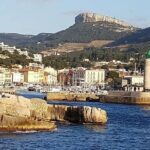
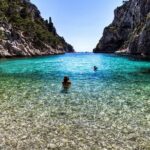
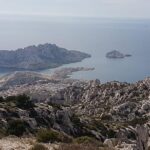
The Calanques start your day in a way that resets your senses. You’re in the Parc national des Calanques for about 2 hours, with the highlight being an exceptional view on the big blue plus creeks discovered by boat. Boat time is the difference between seeing a coastline and actually getting that “how is this so steep and beautiful” feeling.
You may also hear about popular scenic approaches like the Gineste route and the Crêtes route, plus hiking options such as the area around En Vau. The exact mix depends on weather and what you’re up for, but even if you only do part of the experience, you’ll come away with a strong sense of how dramatic this coastline is.
Practical drawback: the day is weather-sensitive. If conditions aren’t great, the whole Calanques plan becomes harder. Also, the stop notes that admission for that segment is not included, so you’ll want to budget for any paid boat or site-related tickets you choose.
Le Vieux Port and the Corniche: Marseille’s real center
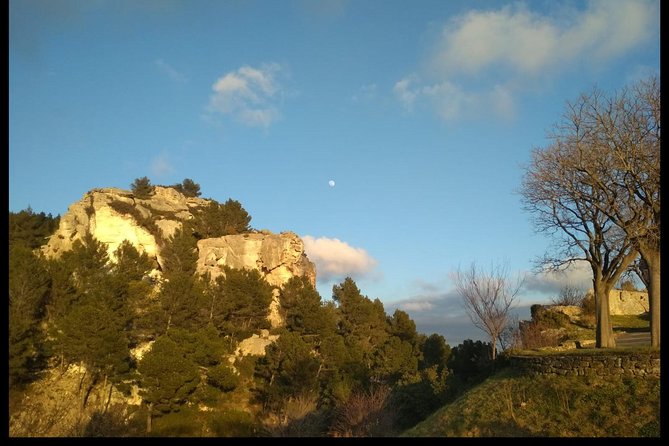
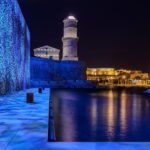
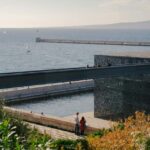
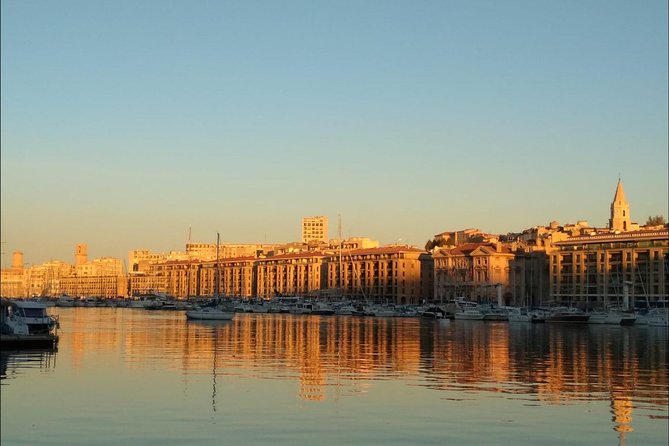
After the views, Marseille gets more human-scale. In about 3 hours, you’ll have time for the Le Vieux Port walk, plus the Corniche and a look through Marseille neighborhoods. This is where you get the city’s daily rhythm rather than just scenery.
A specific “worth your time” detail here is the mention of Notre-Dame de la Garde. You don’t need a long speech about it: it’s the kind of landmark that helps you orient yourself fast. When you know where that sits, the rest of Marseille’s layout makes more sense.
If you’re traveling with kids, this segment often works well because you can slow down for photos, snack stops, and short strolls without feeling like you’ve “fallen behind” a timed program.
One consideration: since this is a city-and-walk style stop, the comfort factor depends on how long you want to be outside. If you’re aiming for shade and frequent breaks, tell the guide early.
Aix en Provence on Cours Mirabeau: fountains, cathedral time, and Cézanne country
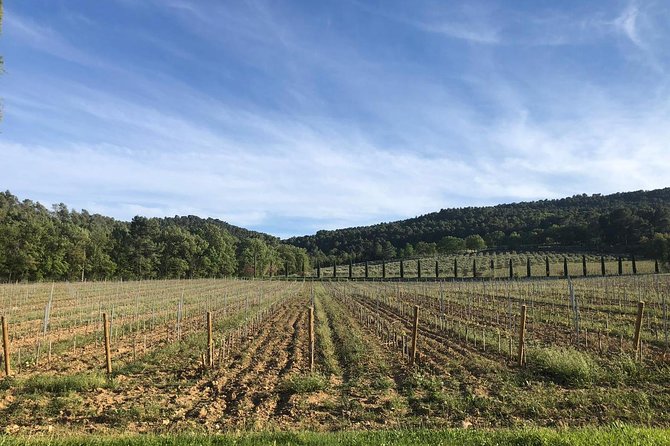
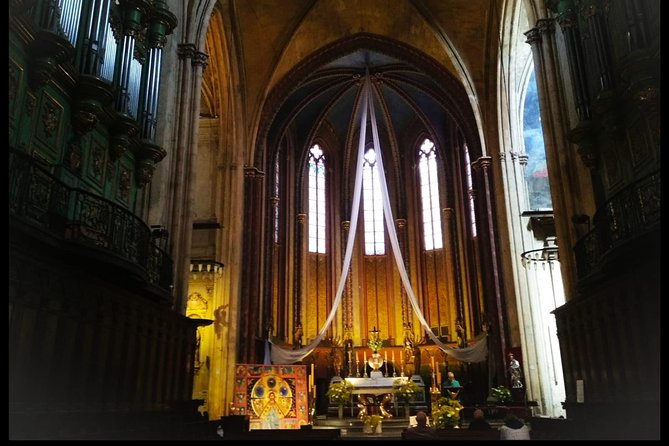
Then you switch into “postcard Provençal,” and Aix does it quickly. Expect around 4 hours in this area, with Cours Mirabeau, narrow streets, and a classic sightseeing trio: the Saint-Sauveur cathedral area, the 1000 fountains, and viewpoints tied to Sainte Victoire mountain.
You’ll also have options connected to the Cézanne universe, including a Cézanne workshop stop if you want to add it. And if you like estates and dramatic stone settings, the plan also points toward Lacoste castle and even the Bimont dam area.
What I like about this stop for real-world travelers: Aix is walkable in a way that lets you choose your pace. You can do a highlight loop, or you can linger and treat it more like a wandering day. If you’re someone who wants one “big scenic backdrop” to keep returning to in photos, Sainte Victoire helps you do that.
Drawback to keep in mind: many of the “extras” here can become paid entries. The stop notes not included for admissions, so if you want workshop visits or estate access, plan on extra costs.
Gordes, Sénanque, and Roussillon ochres: lavender mood with color payoff
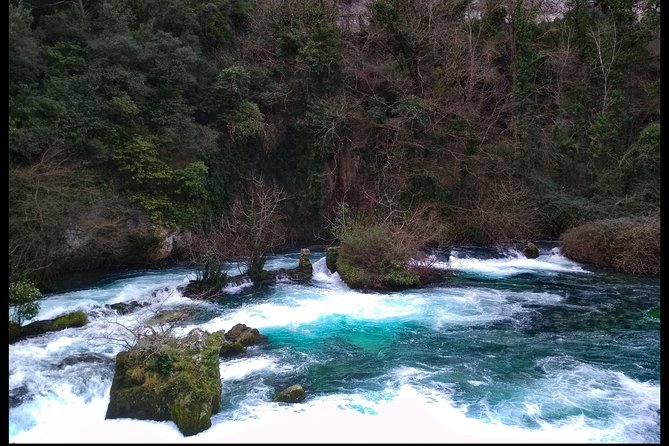
If Aix is about elegance, Gordes and the surrounding villages are about shape, stone, and color. This segment runs about 4 hours, combining hilltop streets with iconic Provençal scenery.
Key pieces include:
- Gordes itself and its setting,
- Sénanque abbey,
- lavender fields when in season and when conditions allow,
- Roussillon ochres for that chalky orange-red landscape look.
There’s also a reference to Saint Firmin cellars. Even if you don’t do a tasting, the idea is that this part of the day links the scenery to local production and local life.
What to expect: ochres look best when you can see them in changing light, so don’t treat this as a “10-minute photo and leave” stop. If you take the time to walk the edges and look back to the village shapes, you’ll get better results than just stopping at the most obvious spot.
Consideration: this area can involve walking and uneven ground. If your group wants gentler routes, set that expectation early so the guide can pace it.
Fontaine de Vaucluse and Isle-sur-la-Sorgue: paper museum vibes and canal strolling
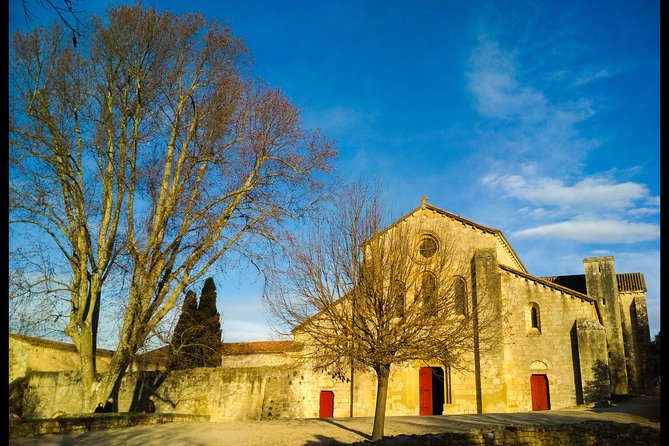
Next you head to one of Provence’s “slow-down” places. Fontaine de Vaucluse anchors the stop, with about 4 hours total time and a small hike accessible to all for the discovery of the mystical waters. Even if you don’t consider yourself a hiker, the plan is built around an easy walk that connects you to why this spring is famous.
You also have the paper museum option, which gives the day a different angle from just stone towns and vineyards. It’s the kind of stop that makes Provence feel lived-in rather than only scenic.
Then you move to Isle-sur-la-Sorgue, known for antique shops and canals. If you like browsing at a relaxed speed, this is a great contrast to the earlier “big view” moments.
One plus: the stop notes admission tickets for Fontaine de Vaucluse as free, which helps keep costs predictable if you stick to the outdoor highlights and the easy hike.
Avignon’s Palais des Papes and Place Pie market time
Avignon is a different energy: it’s urban, historic, and built around a major landmark. This segment also clocks about 4 hours.
The headline is the Palais des Papes. Even if you don’t know the details, it’s the kind of place where you feel the weight of power just by standing near it. You’ll also get time in Avignon’s narrow streets and at the market halls of Place Pie.
If you like food-focused add-ons, there’s a mention of the possibility of a cooking workshop (extra). That can be a great way to turn the “what did we see today” question into “what did we learn to make today,” but you’ll pay extra for it and any paid admission is not included.
Trade-off: this stop is more “inside/outside mix.” If you want lots of time outdoors, you’ll still have that in the streets and markets, but you’ll likely spend a chunk near major indoor sights.
Les Baux-de-Provence, Saint-Rémy, and Arles: medieval lanes then Rhône-era culture
This is your grand finale of towns before the wine route. Expect about 4 hours across multiple stops.
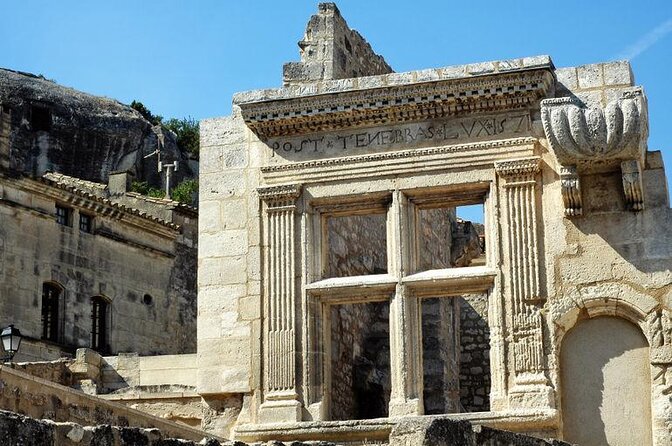
You’ll do Les Baux-de-Provence with its medieval streets, plus the option of the castle (extra). Then you shift to Saint-Rémy-de-Provence, and on to Arles, including the bullring as an additional option (extra).
Why this works as a sequence: the medieval stone of Les Baux sets a mood, Saint-Rémy keeps it artsy and grounded, and Arles adds a different cultural rhythm. Together, they help you see how Provence isn’t just one look. It’s many.
The practical drawback is cost and time choices. The stop indicates admissions are not included, and the castle and bullring are labeled as extra options. If you want to keep this affordable, focus on streets, viewpoints, and public areas, and treat the paid interiors as a bonus.
Côtes du Rhône wine route at Gigondas la Cave: tastings done the easy way
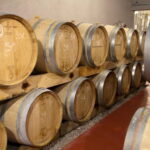
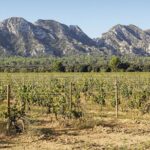
This is the part with the clearest payoff. The wine segment runs about 6 hours and includes a sensory journey plus several tastings. Wine during tastings is included, which is a big value lever.
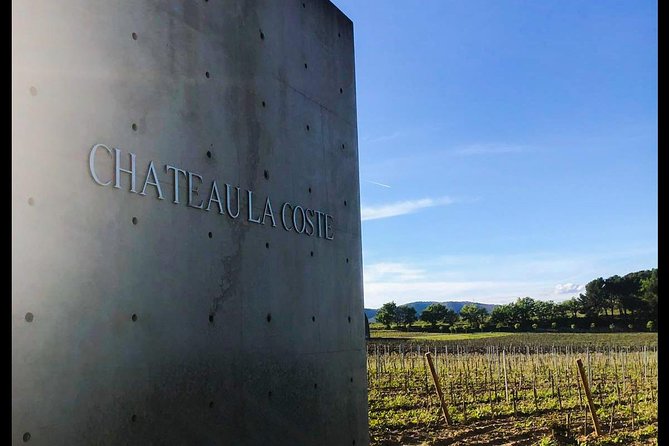
The route includes named areas such as Vacqueyras, Gigondas, Cairanne, Rasteau, and Beaume of Venice. Even if you don’t know the differences yet, the tasting format is built to help you compare and notice the style shifts between appellations.
The specific stop name here is Gigondas la Cave, and since admission for this segment is marked included, you’ll feel less guesswork about whether you’re paying twice.
Who this suits best: wine lovers, but also people who just want a guided introduction. You’ll get the fun of comparing, plus a structured setting where a guide can point out what to pay attention to.
One thing to watch: it’s alcohol-included, so plan how you’ll feel after tastings. This is handled well by the private transportation aspect, but you’ll still want to pace the sampling.
What to bring, how to dress, and the weather reality
A day like this is easy if you show up prepared. You’ll likely be walking in towns, doing scenic stops, and possibly enjoying a short hike at Fontaine de Vaucluse. Bring comfortable shoes that handle uneven ground.
For weather, be honest with yourself. The experience notes that it requires good weather. With Calanques on the menu, rain or rough conditions can change the feel fast. If your trip dates are flexible, you’ll be better off picking a day with better forecasts.
Also note that paid entries are not included. Pack your card, or at least plan on extra cash for abbeys, castles, museums, and any add-on workshops you choose.
Before you go, you might also be asked to authorize the publication of photos in which you appear to promote sustainable tourism on social media. If you care about privacy, consider it when booking.
Who should book this Provence at your own pace tour
This tour style fits best if you want:
- a private day that feels custom, not “one-size-fits-all,”
- a mix of Marseille coast + inland Provençal towns in one trip,
- guided help choosing what to do when you only have limited time,
- and a wine segment with tastings included.
It’s especially appealing for families who need flexibility. One clear example from past experiences: the guide adjusted easily when there were three children involved, keeping the day fun instead of frustrating.
If you’re the type who loves museums and paid attractions only, you’ll likely want to add extra entries and plan a bigger budget. If you’re more into outdoor views, streets, markets, and walking, you’ll get value with fewer extra costs.
Should you book it?
I’d book this if you’re craving a Provence highlight day but you don’t want the stress of building it yourself, especially when Calanques, Aix, Luberon sights, and a Rhône wine tasting are all on your mental list. The biggest value is the combo: private transportation + flexible pacing + wine tastings included.
Skip it or adjust your expectations if you want strictly free sightseeing, or if you don’t handle weather disruptions well. Paid entries not being included can surprise you unless you plan for it. Also, this is a lot to fit into 4 to 8 hours, so bring patience and choose what matters most to you.
If you want Provence in a way that feels personal, this is a strong match.
FAQ
How long is the experience?
It runs about 4 to 8 hours, depending on the route and what you choose.
Is this a private tour?
Yes. It’s a private tour/activity, and only your group participates.
Where do we meet, and does the tour end nearby?
You start at 12 Rue du Rouet, 13006 Marseille, France and the activity ends back at the meeting point.
What’s included in the price?
The experience includes private transportation, bottled water, alcoholic beverages, and wine during tastings.
Are admission tickets included?
No. Paid visit entries are not included. Some stops note free admission, but paid sights are extra.
Is there a wine tasting, and is it included?
Yes. The wine route segment includes several tastings, and wine is included for that portion.
Is the boat part included?
The Calanques boat-related admission is listed as not included, so you should expect extra ticket costs for that part.
What’s the cancellation and weather rule?
You can cancel for a full refund if you do so at least 24 hours before the start time. The experience requires good weather, and if it’s canceled due to poor weather you’ll be offered a different date or a full refund. It also requires a minimum number of travelers.