Reviewed · NATIONAL PARKS
Calanques National Park Snorkel and Scuba Dive
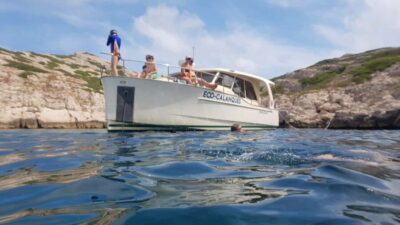
A day in Marseille starts with bright sea and easy learning. This Calanques National Park snorkeling and scuba training pairs a guided setup with a roomy feel in the water, plus a small-group vibe that keeps you from feeling rushed.
I especially like the personal instructor coaching, because you get real feedback while you learn how to move comfortably and safely.
My second favorite part is that you’re not stuck in a class all day: after the briefing, you get time to snorkel on your own in a secure area close to Calanques islands. It’s a nice balance of instruction and freedom.
The main consideration is health fit. You need to be in good shape and without medical conditions that affect ears, breathing, or the heart, since the activity includes time in the water and scuba training afterward.
In This Review
- Key things I’d plan for
- Getting to the sea: Port de la Pointe Rouge timing that actually works
- The boat ride and safety briefing: what you’re really paying for
- Snorkeling on your own near Calanques islands (secure zone, 30–60 minutes)
- Transitioning to scuba training with a personal instructor (max 18 feet)
- What you might see: rock fish, zebra bream, wrasse, and sea stars
- Gear, included items, and what to bring so you’re not stuck
- End of day: rinse, shower, and your Discover Scuba certificate
- Price and value: is $258 per person fair for Calanques?
- Who should book this (and who should skip it)
- A word on instructors: why the human factor is part of the package
- Should you book this Calanques snorkel + scuba training?
- FAQ
- Where is the meeting point for this experience?
- What time does the tour start?
- How long is the experience?
- Is the group small?
- What equipment is included?
- How deep do you go during the scuba training?
Key things I’d plan for
- Small group (up to 10): more attention from your instructor and staff on the boat.
- Two stages of water time: snorkel first, then a guided scuba training session once you’re comfortable.
- Personal coaching for scuba training: you’ll work with an instructor during the underwater portion.
- Snorkeling in a secure zone: a safer-feeling setup for independent swimming.
- Typical max depth of 18 feet: enough to see interesting sea life without going too technical.
- Friendly, professional team examples: guides like Clémentine and Nathan (and staff such as Oliver on the boat) come up in bookings for a reason.
Getting to the sea: Port de la Pointe Rouge timing that actually works
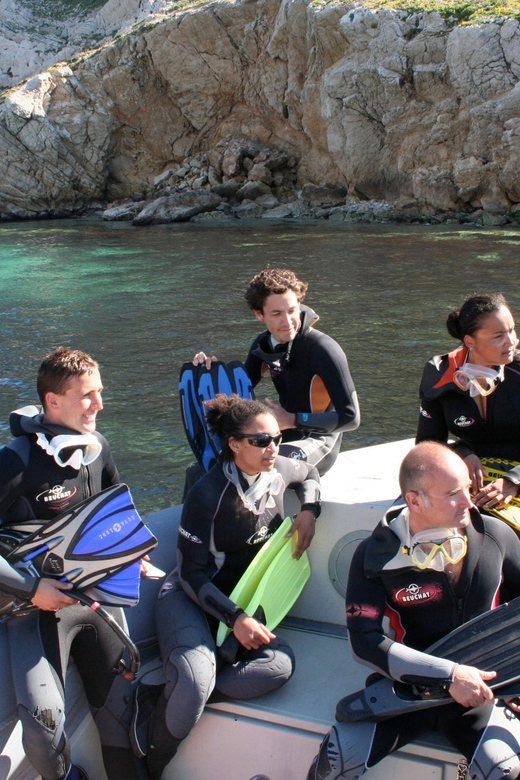
You meet at 09:00 at Aquadomia in Marseille’s Port de la Pointe Rouge (Espace Dune, Aquadomia 7, 13008 Marseille). From the start, the schedule is built to get you moving quickly and keep the day from dragging.
Here’s the flow: you get kitted out with your wet suit and you choose your mask, fins, and snorkel. That first step matters more than people think. A good mask fit can make snorkeling feel effortless, while a poor seal can ruin your mood fast. The staff focus on getting your gear comfortable before you leave the harbor.
At 09:45, you board a larger inflatable boat for a 20 to 30 minute ride to the snorkeling and scuba site. That boat time is long enough to feel like you’re leaving the city behind, but not so long that you start counting minutes. It also helps set expectations: you’re going for a half-day-plus in the water, not a quick photo stop.
A few more Marseille tours and experiences worth weighing up before you book:
The boat ride and safety briefing: what you’re really paying for
The boat ride isn’t just transportation. It’s your in-between moment where the team does the important stuff—safety and orientation—before you get into the water.
You’ll get a briefing about:
- Safety procedures
- Any security concerns relevant to the day’s conditions
- What kinds of marine life you might see
That last part is a big deal. When you know what you’re likely to spot (and what to avoid), you stop swimming like you’re searching for a miracle and start noticing real details—fish behavior, movement patterns, and the general vibe of the sea that day.
On the staffing side, the bookings often highlight a friendly, helpful attitude. Names like Clémentine and Nathan show up in positive feedback for personal guidance, and that matches what you want when you’re learning. You’re not just handed gear and sent off.
Snorkeling on your own near Calanques islands (secure zone, 30–60 minutes)
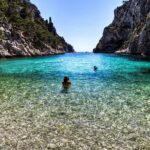
After the briefing, you get 30 to 60 minutes to snorkel independently in a secure area close to islands in Calanques National Park.
This is the part I think many people appreciate once they’ve done it: you’re not waiting for a guide to point out every single thing, and you’re not expected to handle everything alone from minute one. Instead, you get to try being in the water at your own pace, while still being in a setup designed for safety.
What to do with that time:
- Slow down. Fish often look like they’re doing nothing—until you watch long enough.
- Keep an eye on your buoyancy and breathing. If you feel rushed, you’ll start swimming hard and miss the calm, detailed moments.
- Use the environment for reference. With a shoreline/guide framework, your brain relaxes and the snorkeling feels more natural.
Also, remember you’re in a protected marine setting. That usually means the team’s briefings are practical and rules-based, not vague.
Transitioning to scuba training with a personal instructor (max 18 feet)
Once you feel comfortable from the surface, you move into the guided scuba training portion with a personal instructor.
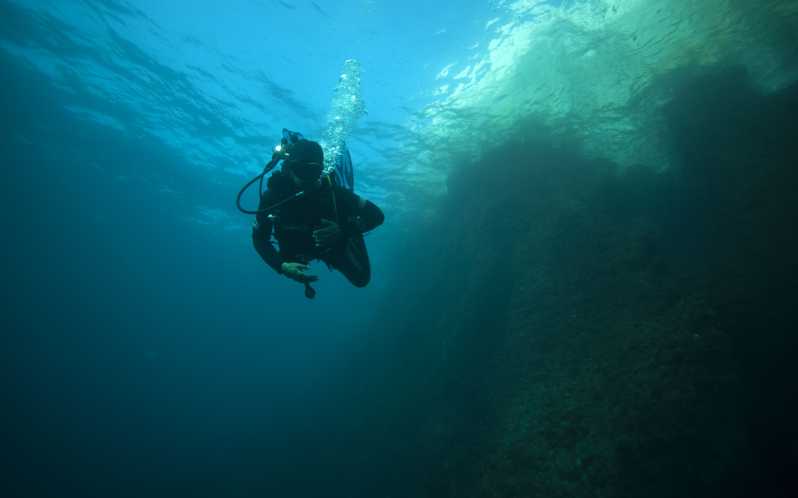
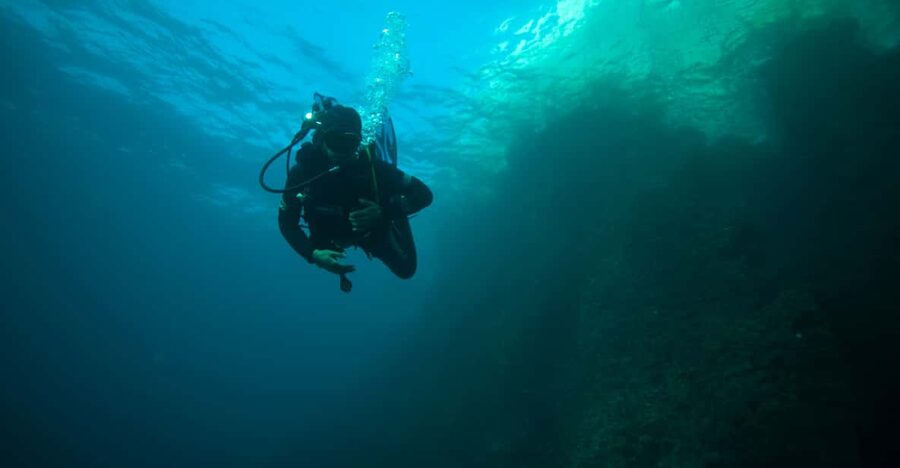
Scuba training here is structured for beginners. You’ll go to a maximum of 18 feet (about 5.5 meters), which is deep enough to experience proper underwater viewing while still staying within a beginner-friendly range. The goal is not to show off gear or chase extreme depth—it’s to help you learn control, comfort, and basic underwater awareness.
You should expect:
- Instructor support during the underwater portion
- A focus on what you need to do to feel steady and safe
- Time to notice sea life at an easy-to-manage depth
This is also where group size matters. With a maximum of 10 participants, it’s far easier for the instructor to keep eyes on you and answer questions without feeling like one voice in a crowd.
If you’re doing this as a first-time scuba experience, the “learn after snorkel” order is smart. By the time you’re underwater, you’ve already handled the mask-and-fins rhythm and you’ve gotten used to the feeling of being in the water.
What you might see: rock fish, zebra bream, wrasse, and sea stars
The marine life you see depends on day-to-day conditions, but the activity description gives you a solid preview of what’s in the mix.
At the scuba depth and conditions, you might encounter:
- Rock fish
- Zebra bream
- Cow bream
- Striped mullet
- Rainbow wrasse
- Sea stars
- And other creatures depending on conditions
Here’s how to get more out of the viewing. Don’t chase every movement. Instead, pick a small area and watch. Many fish move like they’re keeping appointments—hovering, darting, then settling. If you swim hard across the whole zone, you’ll burn energy and miss the slow, interesting behavior.
And if the team mentioned specific points during the briefing, treat that like homework that pays off. Those comments are usually based on what’s been showing up lately and what they expect to find in that stretch of water that day.

Gear, included items, and what to bring so you’re not stuck
The good news: the activity includes the main gear. You’re covered for:
- Snorkeling and scuba equipment rentals
- Boat transportation
- Marine park fees
- An instructor for the Discover Scuba training
What’s not included is the stuff that makes the day smoother on land after you rinse:
- Towel
- Swimming costume
- Shower gel
- Lunch and drinks
- Sunscreen
My practical advice: bring sunscreen anyway, and plan for food. You’re out until roughly 16:00 or 17:00, and the day includes wet gear, rinse time, and shower before you collect your certificate. If you skip snacks, the last hour can feel long even if the sea time was great.
Also note the rules: no alcohol or drugs, and no luggage or large bags. Pack light. Think “carry-on, not suitcase.” Marseille is a working port area—small bags keep everything easier.
End of day: rinse, shower, and your Discover Scuba certificate
Around 16:00 or 17:00, you head back to the Aquadomia base. You’ll rinse your gear and have a shower before picking up your Discover Scuba certificate.
That sequence matters. Rinsing and showering right after the water time helps you reset quickly, especially after saltwater exposure. It also means you’re not scrambling to find facilities later while everyone else is already moving on with the day.
If you’re the type who likes closing the loop, the certificate is a satisfying finish: you don’t just leave with memories, you leave with proof that you completed the training session.
Price and value: is $258 per person fair for Calanques?
At $258 per person, this isn’t a budget add-on. You’re paying for a full program: boat time, marine park fees, equipment rentals, and instructor-led scuba training in a protected area.
So where’s the value?
- You get two formats in one trip: snorkel time + guided scuba training.
- Instruction is personal, not vague. The small group size helps keep coaching close.
- You’re inside Calanques National Park with marine park fees included.
- The day ends with a Discover Scuba certificate, which you’d otherwise have to arrange separately.
Where it might feel pricey is if you’re already a confident swimmer and diver and you’re only chasing casual snorkeling. In that case, you’d want to compare to simpler snorkeling options. But if you’re new to scuba or you want structured learning with real staff support, $258 starts to look like a straightforward, all-in cost for a real experience.
Who should book this (and who should skip it)
This suits you if:
- You want a guided first scuba training experience with support
- You like a plan that starts with snorkel time and then moves into instruction
- You prefer a small group environment (up to 10 people)
- You want to learn and finish the day with a certificate
It’s not suitable if you have:
- Heart problems
- Respiratory issues
- Any medical conditions affecting ears or breathing (the activity asks for fitness and no relevant medical issues)
If you’re on the fence health-wise, don’t guess. If a condition could affect equalization, breathing comfort, or heart strain, you should ask a doctor first. The tour doesn’t pretend scuba is risk-free, and you shouldn’t either.
A word on instructors: why the human factor is part of the package
The most praised aspect across bookings is the team’s attitude—friendly, helpful, and professional—and that shows up with specific staff names.
You might work with instructors such as Clémentine for the scuba portion, and Nathan for hands-on guidance (including for partners in the group). On the boat side, names like Oliver appear in positive notes too. Even if your instructor isn’t one of these people, the pattern is clear: they focus on personal attention.
For first-timers, that human factor isn’t fluff. When you’re learning control and buoyancy, you want someone calm who explains clearly and stays on you without hovering.
Should you book this Calanques snorkel + scuba training?
I’d book it if you want a structured, small-group day in Calanques National Park that blends secure independent snorkeling with personal scuba training and ends with a certificate. The price makes sense when you factor in boat transport, equipment rentals, marine park fees, and real instruction.
I would skip it if you want a purely casual swim, if you have any heart or respiratory concerns, or if you’re traveling with lots of gear. The experience is designed for light packing and people who can handle the water confidently.
If you check those boxes, this is one of those Marseille experiences that feels like it delivers more than the sum of its parts: you leave with both photos in your head and a skill you can build on.
FAQ
Where is the meeting point for this experience?
You meet at Espace Dune, Aquadomia 7, Port de la Pointe Rouge, 13008 Marseille.
What time does the tour start?
The schedule starts with meeting at 09:00.
How long is the experience?
The total duration is 390 minutes (about 6.5 hours). Exact timing can vary by availability.
Is the group small?
Yes. It’s limited to a small group of up to 10 participants.
What equipment is included?
You get snorkeling and scuba equipment rentals, plus boat transportation and marine park fees. An instructor is included for the Discover Scuba training.
How deep do you go during the scuba training?
The scuba training has a maximum depth of 18 feet.
Diving off Marseille
More Tour Reviews in Marseille
Just Added: Fresh Marseille Reviews

National Parks, compared.
 ★ 4.9Calanques National Park Guided Hike with PicnicFrom $41516 reviews
 ★ 4.8Calanques National Park Guided HikeFrom $41489 reviews
 ★ 4.7Calanques National Park Sailing Cruise with LunchFrom $126228 reviews
 ★ 4.5Hiking in the Calanques National park from MarseilleFrom $42211 reviews
 ★ 4.7Calanques National Park Eco Boat CruiseFrom $148144 reviews
 ★ 4.7Calanques National Park E-Mountain Bike TourFrom $84123 reviews
 ★ 4.8Guided Hiking Calanques National Park from LuminyFrom $47100 reviews
 ★ 4.6Calanques National Park Boat Trip with SwimmingFrom $11382 reviews