
Reviewed · MARSEILLE FOOD TOURS
Beyond Bouillabaisse: Diving into Marseille’s Multicultural Stew
Marseille tastes like its history on foot. This small-group walk (max seven) turns immigration and everyday life into a food plan, not a lecture. I like that you get two full meals as part of the experience, so you’re not just nibbling your way through town.
You’ll also leave with names of places to return to later. In past departures, guides like Séverine, Coco, Chloé, and Alexis were praised for keeping the pace friendly, making smart restaurant connections, and steering the day toward what the group wants.
One catch: it’s a lot of walking and the food can skew toward casual, snack-style stops. If you’re expecting a traditional, meat-and-seafood-only French meal marathon, you might want to set expectations for bread, sweets, and shared bites.
In This Review
- Key points that make this tour work
- Marseille Through Food: Why This Walk Works
- Small Group, Full Bellies: What You Can Expect to Eat
- Stop-by-Stop: Gare Saint-Charles, Saint-Vincent de Paul, and the Markets
- The Marseille Story You Actually Learn on the Streets
- Price and Value at $160: When It Feels Worth It
- Practical Tips: Shoes, Breakfast, and Handling the Weather
- Who This Tour Suits Best (and Who Might Want a Different Plan)
- Should You Book Beyond Bouillabaisse?
- FAQ
- What’s the price and length of the Beyond Bouillabaisse tour in Marseille?
- How big is the group?
- What language is the tour offered in?
- Where does the tour start and where does it end?
- What are the main stops during the walk?
- Is this tour heavy on tastings, meals, or just snacks?
- What should I know about tickets and confirmation?
- What’s the weather and cancellation situation?
Key points that make this tour work
- Max 7 people keeps the day relaxed and makes recommendations feel personal
- Two full meals plus apéro means you’ll actually eat, not just sample
- Marseille migration history through food gives context at each turn of the street
- Old Port end point is handy for continuing your day around Vieux-Port
- Guides like Séverine and Coco are known for flexibility if tastes or weather shift
- Bring comfy shoes: the route is paced for tasting stops, not sightseeing bus comfort
Marseille Through Food: Why This Walk Works
If Marseille feels like a mix of neighborhoods you can’t quite sort out, this tour helps. You’re not trying to learn the city from a map. You’re learning it from what people buy, cook, and share—especially in places most visitors never think to enter.
The big win for me is the format. In about 5.5 hours, you get a sequence of food moments tied to real locations: the train station where migration stories begin, the big church and café stop, then markets and the Old Port. It’s a guided route through how Marseille lives.
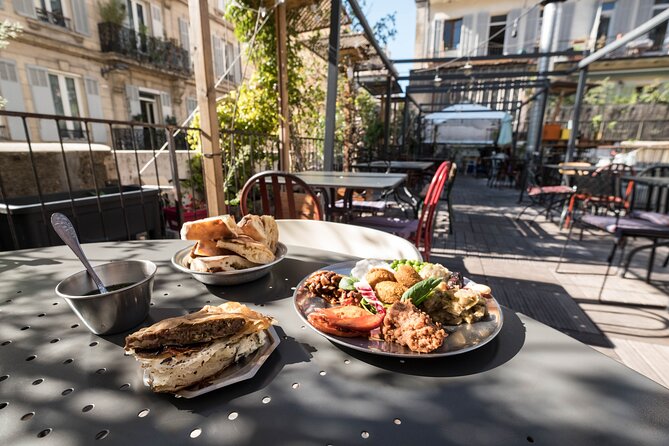
And it’s built for real appetites. The tour includes two full meals, plus extra tastings along the way, ending with an apéro by the harbor. That combination is what makes the price feel more “day out with food” than “walking tour with a few samples.”
Still hungry? More Marseille food walks

Small Group, Full Bellies: What You Can Expect to Eat
This is not a micro-tasting session where everything is a single forkful. Expect a steady rhythm: walk, stop, taste, and reset. The pacing is designed so you’re never starving between stops, and most people can handle it without turning the day into a chore.
A few details that matter for planning:
- Duration is about 5 hours 30 minutes, so it fits well into a first day or a cruise day (with the right timing).
- The group limit is seven, which usually means more questions, quicker adjustments, and fewer “sorry, we’re moving on” moments.
- The tour is offered in English, so you won’t be guessing what you’re eating or why you’re there.
From the kinds of guides praised in Marseille, you can also expect a story-first approach. People highlighted that guides explained how each neighborhood shaped flavors and habits—so the food doesn’t feel random.
Stop-by-Stop: Gare Saint-Charles, Saint-Vincent de Paul, and the Markets
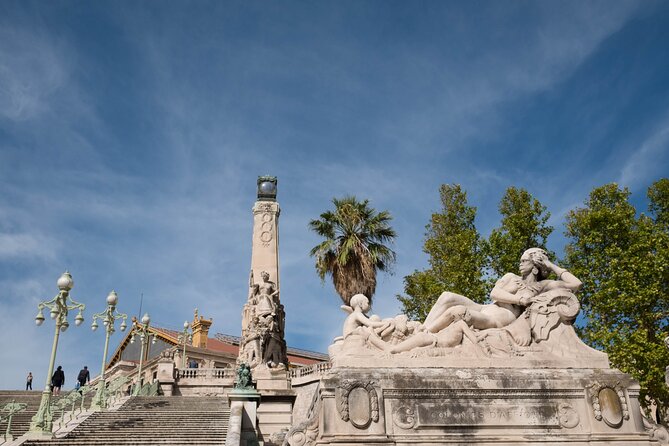
You’ll start where Marseille spills out of the rail system: Gare de Marseille Saint-Charles. The tour sets an easy tone right away by framing the city through migratory history, then pairing it with an Algerian delicacy. It’s a smart opener because it connects a modern travel hub to older human movement patterns.
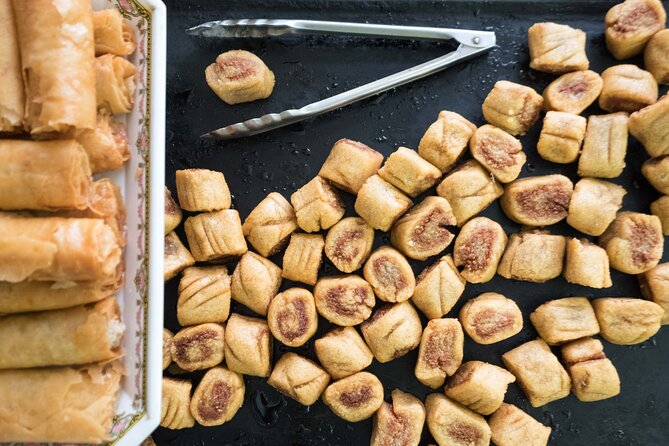
Next comes Église Saint-Vincent de Paul. You get a look inside Marseille’s grand gothic church, then you shift gears to something sweet and classic: Provençal biscuits at a traditional café. This stop is useful if you want the tour to feel both cultural and edible—without being heavy.
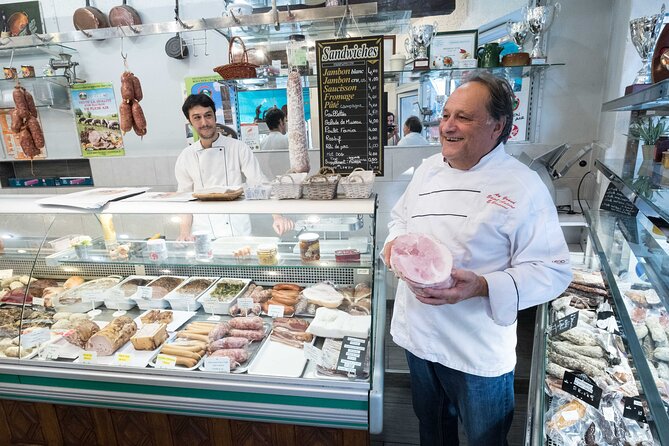
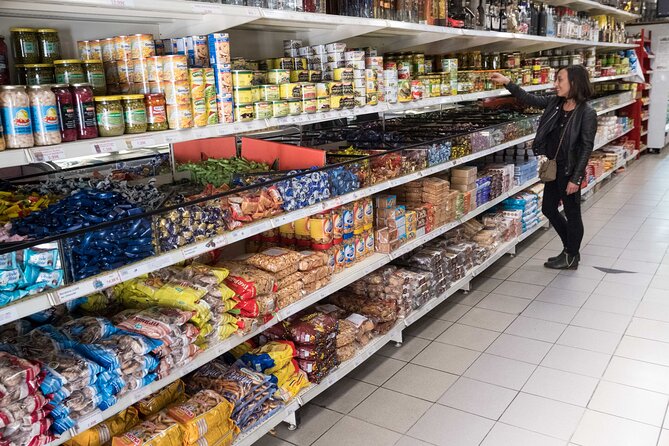
Then it’s onto La Canebière, the city’s most iconic boulevard. You’ll stroll, hear the big picture about the area, and visit a spice shop and market. This is where the tour starts to feel like a sensory scavenger hunt: scents, packaging, and the everyday logic of what people buy for cooking.
After that you’ll move into Marche de Noailles, often described as the belly of Marseille. Expect fragrant stalls and a neighborhood that feels made for food-wandering. This section is one of the best parts for me because it’s where the city’s multicultural mix shows up without needing a museum label.
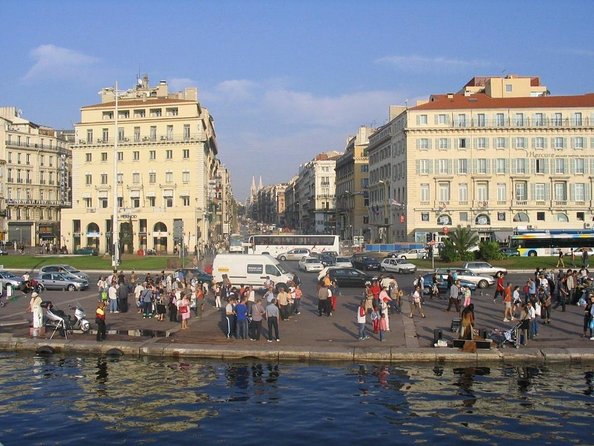
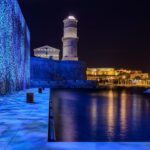
The route finishes at Vieux-Port (Old Port). You’ll learn the history behind the boat-filled harbor, then have an apéro in a former sailors’ bar. Ending here works nicely because you’re already in the part of Marseille where you can keep going—by foot, or by grabbing a drink or dinner nearby.
The Marseille Story You Actually Learn on the Streets
Plenty of food tours list cultures. This one tries to explain how cultures land and change in Marseille over time. The migratory-history framing at the train station sets that theme. Then the route keeps reinforcing it through what you eat and where you eat it.
That matters because Marseille can look confusing at first. Different languages on menus, a mix of ingredients at markets, and neighborhoods that feel more “people-made” than “tourist-curated.” With this format, you’re not just tasting. You’re also building a mental map of how the city got to today.
Guides also seem to make this story feel human, not academic. Past groups praised how guides talked through what you’re seeing and offered follow-up ideas after the tour. In practical terms, that can shape your whole trip: you’ll know what to return to, and what neighborhoods to explore next.
Price and Value at $160: When It Feels Worth It
At $160 per person, you’re paying for more than a walking route. You’re paying for a small group, a guide, a structured set of tastings, and—most importantly—two full meals.
Here’s the way I’d judge the value if I were booking this again:
- If you’re the type who hates “paying for guidance” with only tiny bites, this tour usually won’t disappoint. The meals are the buffer that makes the day feel complete.
- If you want insider restaurant suggestions, this format is built to deliver them because your guide is taking you through local food networks, not just tourist counters.
- If you’d rather spend the day picking your own stops, the price may feel high. This tour is best when you want someone else to do the ordering work and steer you toward places you’d skip.
The booking pace is also a clue. It’s often reserved about 51 days in advance, which suggests people treat it as a “must-do first day” experience. If you want a specific time window, don’t wait until the last week.
A few more Marseille tours and experiences worth weighing up before you book:

Practical Tips: Shoes, Breakfast, and Handling the Weather
This is a walking tour that uses food stops to keep things comfortable. Do yourself a favor:
- Wear comfortable shoes. You’ll cover enough ground that tired feet will start to shape your mood if you show up in worn-out sneakers.
- Come hungry, and consider skipping breakfast. One common piece of advice from people who loved the tour: pastries and coffee kick things off early, and the day builds fast.
- Plan for short weather shifts. Marseille can get rainy, and guides have shown they can pivot so the day keeps moving smoothly.
Meeting logistics also matter because the tour ends in a different place than where it starts. You begin at Place des Marseillaises and finish at Vieux-Port. That means you can’t assume you’ll be dropped back near your starting point for later plans.
If you’re arriving by cruise ship, consider using a taxi for the start and end. One cruise passenger described the experience of grabbing a taxi at the pier and having help coordinating at the end so the transfer back to the ship was straightforward.
Who This Tour Suits Best (and Who Might Want a Different Plan)
This tour is a strong fit if you:
- Want an introduction to Marseille that goes beyond old postcard sights
- Like food tours that explain how the city works, not just what to eat
- Prefer small-group days where your guide can adjust to your pace
- Are happy eating across multiple cuisines and styles, not just French staples
It may be less ideal if you:
- Only want traditional French cooking and seafood/meat-heavy dishes
- Expect sit-down restaurant dining for every course (the day leans toward casual stops and shared tastings)
- Are sensitive to bread-and-snack styles as a bigger share of the experience than you planned for
The great news is that flexibility is part of what guides are praised for. If you have strong preferences, you’ll likely have a better experience by communicating them early in the day.
Should You Book Beyond Bouillabaisse?
Yes, I think most people should—especially if you’re visiting Marseille for the first time and want to understand the city fast through food. The combination of a small group, two full meals, markets, and a harbor finish is exactly the kind of structure that makes a food day feel worth your time.
Book it if you want:
- A guided route that connects Marseille’s migration story to real flavors
- Insider suggestions for where to eat after the tour ends
- A day that ends in the heart of the action at Vieux-Port
Hold off or pair it with something else if you want a strict, classic French seafood-only itinerary or you dislike walking-heavy days. In that case, you might enjoy a more targeted specialty food experience elsewhere.
If you do book, go in with one mindset: eat, ask questions, and let the neighborhoods do the teaching.
FAQ
What’s the price and length of the Beyond Bouillabaisse tour in Marseille?
The tour costs $160.00 per person and runs about 5 hours 30 minutes.
How big is the group?
The experience has a maximum of 7 travelers.
What language is the tour offered in?
The tour is offered in English.
Where does the tour start and where does it end?
It starts at Place des Marseillaises in Marseille and ends at the Old Port of Marseille (Vieux-Port). It does not return to the original departure point.
What are the main stops during the walk?
You’ll visit the area around Gare de Marseille Saint-Charles, Église Saint-Vincent de Paul, La Canebière, Marche de Noailles, and then finish at Vieux-Port.
Is this tour heavy on tastings, meals, or just snacks?
It includes two full meals across the experience, along with additional tastings and an apéro.
What should I know about tickets and confirmation?
You receive a mobile ticket. Confirmation is sent within 48 hours of booking, subject to availability.
What’s the weather and cancellation situation?
The tour requires good weather. If it’s canceled due to poor weather, you’ll be offered a different date or a full refund. You can cancel for a full refund up to 24 hours before the start time.
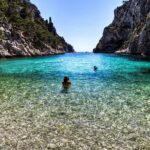
Diving off Marseille
More Tour Reviews in Marseille
Eat Marseille: More Food Walks


Just Added: Fresh Marseille Reviews





Marseille Food Tours, compared.
 ★ 5.0Marseille Food Tour – Full Meal of Local Tastes by Do Eat BetterFrom $89530 reviews
 ★ 4.8No-Diet Club Local Food Tasting and Walking TourFrom $73173 reviews
 ★ 4.7Walking Food Tour with Full MealFrom $99137 reviews
 ★ 5.0NO DIET CLUB – Best food tour in Aix en Provence (En / Fr)From $68119 reviews
 ★ 4.8NO DIET CLUB – Unique local food tour in Aix en ProvenceFrom $73114 reviews
 ★ 4.8Foodie Walking Tour of the Cours Julien DistrictFrom $7197 reviews
 ★ 5.0Gourmet & Cultural Tour Aix En Provence English / EspanolFrom $11488 reviews
 ★ 4.5Marseille Sunset Street Food – A Taste of France by Do Eat BetterFrom $8471 reviews
Browse the lists this tour appears in