
Reviewed · NATIONAL PARKS
Full-Day Snorkeling and Guided Dive in the Calanques National Park from Marseille
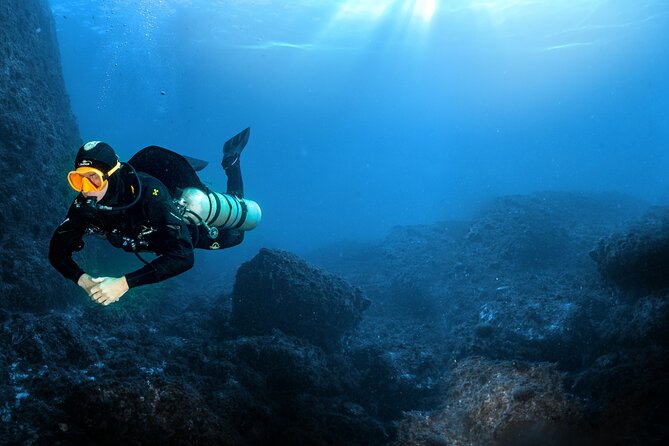
Calanques waters feel like another planet. You get both snorkeling and a guided scuba training session with stunning rocky coves and open sea views. I love the small-group coaching and the friendly, safety-first approach I’ve heard about from instructor Vince, and I also like how the day balances time in the water with real explanations before you go in. The one possible drawback is that the sea can run cold, so you’ll want to dress for chilly water even with wetsuits.
You meet at Port de la Pointe Rouge in Marseille and head out by fast inflatable boat (twelve passengers) for a roughly 7-hour day, returning around 5 pm. You’ll see sights such as Plage de la Pointe Rouge and Île de Frioul from the water, and the whole flow feels designed for both first-timers and people who already have certification. If you’re sensitive to cold or you haven’t been underwater in a while, plan to go slow and be honest during the briefings.
In This Review
- Key takeaways before you go
- Marseille’s Calanques: what makes this coast special for a full day
- Getting out fast: the 7:50-meter boat and the smooth pacing
- Before you ever hit the water: briefing, gear, and what to pack
- Snorkeling at Plage de la Pointe Rouge: easy water time with big scenery
- Lunch on the water: how the break actually helps
- Guided scuba session: patient instruction, flexible timing, and real safety
- Île de Frioul and lighthouse-country vibes
- Price and value: what $300.40 gets you in the real world
- Who this suits best (and who should think twice)
- Weather and practical reality: why flexibility matters
- Should you book this Calanques snorkeling + scuba day?
- FAQ
- What time does the experience start?
- Where is the meeting point?
- How long is the full-day experience?
- Do I need to bring food and drinks?
- Is snorkeling and scuba equipment provided?
- What are the age and group limits?
- Do I need any health checks for scuba?
Key takeaways before you go
- Small-group feel (max 4 people): more time for questions and a less hectic pace.
- Two water sessions: one hour snorkeling, then a guided underwater scuba practice slot.
- Instructor-led safety: full briefings and patient guidance, especially if you’re rusty.
- Cold-water reality: expect cooler conditions and dress accordingly.
- Calanques marine rules: with fishing banned, wildlife sightings tend to be strong.
- Bring your own lunch: you’ll eat on the water with time to reset.
Marseille’s Calanques: what makes this coast special for a full day
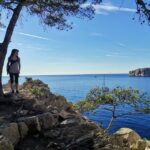
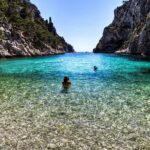
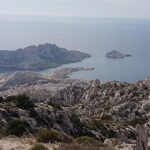
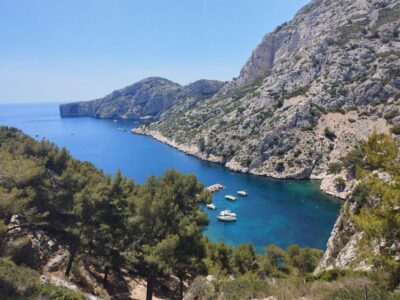
The Calanques National Park is all about contrast: jagged limestone walls meeting clear water, plus sheltered coves where you can actually relax and look around. From the boat, the coast reads like a living postcard—rocky edges, small inlets, and the occasional dramatic outpost you can’t stop staring at.
What I like about doing this as a single, full-day outing is that you get different “views” of the park in one go. You snorkel along the coastline and in protected spots, then you go underwater with a guide so you’re not just watching—you’re learning how to move, breathe, and stay comfortable.
This kind of day also helps you manage expectations. You’re not racing from one checkbox stop to another. Instead, you build confidence in stages: briefings on the surface, snorkeling time, lunch and regrouping, then a guided scuba practice session that’s adjusted to how you’re doing.
Hand it to a local, more relaxed days
Getting out fast: the 7:50-meter boat and the smooth pacing
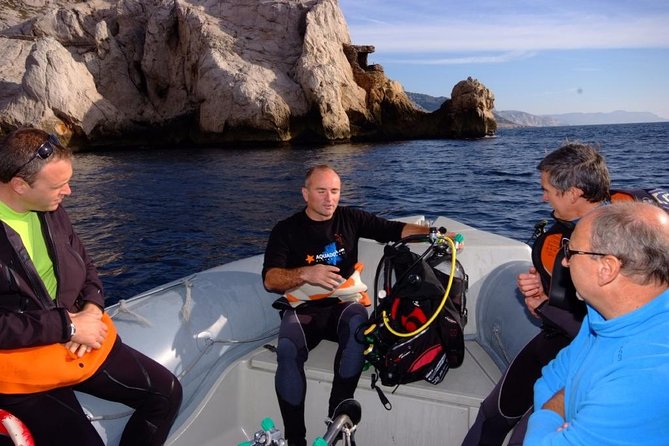
The day runs from a 9:00 am start at 7 Port de la Pointe Rouge, and you’ll head out on a twelve-passenger inflatable boat (about 7.5 meters) powered by 250 HP. You’re on the water for transportation for around 30 minutes before you reach the snorkeling/scuba area.
That boat format matters more than it sounds. A small craft usually means you’re closer to your guide, you can hear instructions better, and you spend less time waiting around. In a full-day schedule, reducing “dead time” is a real quality-of-life upgrade.
You also get built-in breathing room. After snorkeling (about one hour) you’ll eat lunch, then there’s time to nap on the boat before the second briefing. The scuba practice slot afterward is flexible—about 30 to 60 minutes depending on your air use, how cold you feel, and how you’re handling it. That flexibility is one of the reasons this works for both cautious beginners and experienced divers.
Before you ever hit the water: briefing, gear, and what to pack
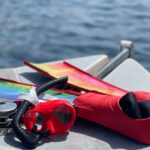
At the meeting point, you’ll start with a briefing so you know what’s expected and how the day will flow. You’ll also get snorkeling and scuba equipment. The company provides what you need so you don’t have to guess sizes or quality—still, you should show up ready to be comfortable.
Bring lunch and drinks. One important rule: drinks must be without plastic, so skip disposable bottles if you can. Pack solar protection too, because the coast can be bright even when the water feels cool.
Cold protection is not optional. Even if you’re normally fine in Mediterranean sun, expect water that feels colder than you’re used to. Reviews mention wetsuits doing their job, but the best plan is to dress smart for the combination of wind, sun, and water temperature.
Finally, there’s a health checkpoint for scuba. You’ll complete a health questionnaire, and certain conditions (like asthma or heart conditions) may prevent you from diving. If you’ve flown within 48 hours of a flight, diving isn’t recommended, so plan your trip dates with that in mind.
Snorkeling at Plage de la Pointe Rouge: easy water time with big scenery
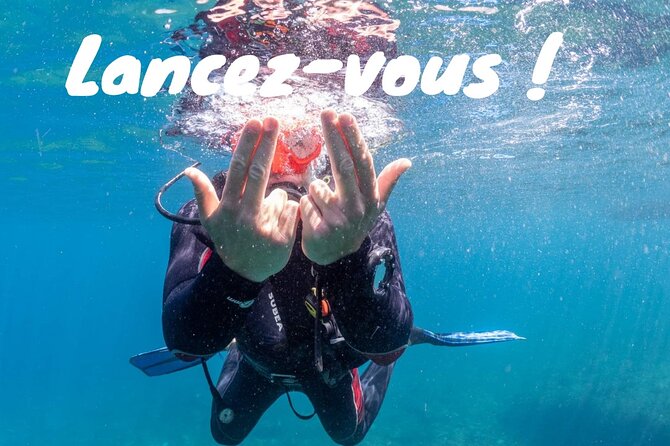
Your first stop is Plage de la Pointe Rouge. This is the kind of snorkeling location where you can enjoy the park without needing technical skills. You’ll get a briefing first, then you’ll snorkel for about one hour.
The vibe here is: rock meets water. You’ll be floating along a rocky coastline and sheltered coves, which usually means more interesting edges to look at than open sand bottoms. And because you’re snorkeling (not working your way through heavy gear handling), you can focus on spotting marine life and watching how the coastline changes as you turn your head.
One practical tip: treat snorkeling as your warm-up—not just your “first activity.” Use the hour to get your rhythm: slow breaths, relaxed fin kicks, and steady head movements. It makes the next step—going underwater with scuba guidance—much smoother.
If you get even mildly cold while snorkeling, don’t push through. Tell your guide. The schedule later adapts to cold sensations, so speaking up early is part of getting a good day, not a complication.
Lunch on the water: how the break actually helps
After snorkeling, you’ll have lunch. Since food isn’t included, this is where you’ll really notice the self-catering side of the day—bring something you can eat without rushing, and bring drinks that meet the no-plastic rule.
The schedule includes time for a short nap on the boat before the next briefing. That detail sounds small, but it’s a smart way to prevent fatigue. A full day of sun + wind + water time can wear you out, and feeling rested helps you enjoy the underwater training instead of just “getting through it.”
This is also a good moment to reset your mindset. If you’re anxious, you can ask questions during the downtime. If you’re experienced, you can use the pause to mentally review skills so the second session feels controlled, not chaotic.
More of the coves with a mask on
Guided scuba session: patient instruction, flexible timing, and real safety
After lunch and regrouping, you’ll get a new briefing and then start your guided underwater scuba practice. The practice time is about 30 to 60 minutes, depending on factors like your air consumption, how cold you feel, and how you’re doing in the moment.
This is the heart of the experience. You’re not simply thrown in and told to figure it out. Guidance is the point, and reviews highlight how patient and professional instructors can be—especially if you haven’t been underwater for a while. Vince is specifically mentioned as taking the time to explain what you’ll do and keeping things organized and calm.
You can also go to a maximum depth of about 20 meters (65 feet) if you’re already certified. If you’re not certified, you’ll still get the structured guidance to learn and practice in a way that fits your level. That mix is why this trip can work for novice and more advanced divers alike: the team isn’t trying to force one style of day onto everyone.
Safety is clearly emphasized. Expect complete briefings, equipment that’s in top shape, and a “you’re in good hands” attitude. If you ever feel overwhelmed, it’s better to slow down and let the guide adjust than to try to tough it out.
Île de Frioul and lighthouse-country vibes
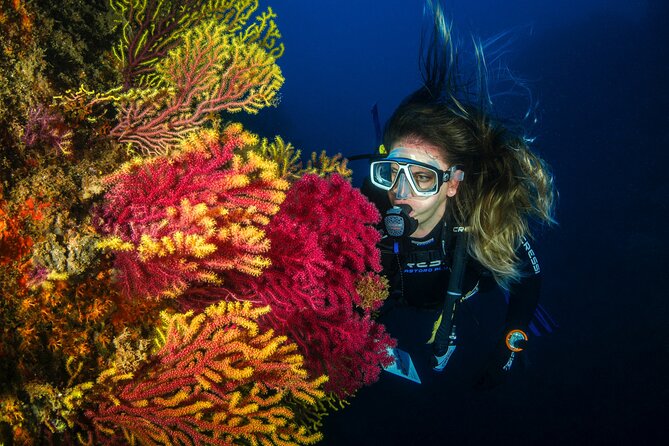
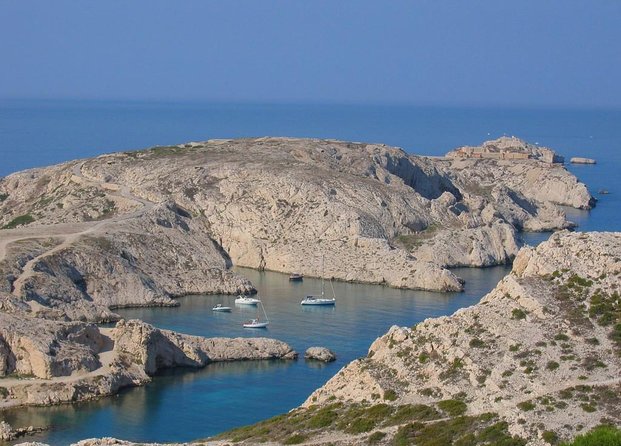
The second stop is Île de Frioul. When you’re out there, you’re not just staring at water—you’re moving through a protected marine area where marine life tends to be more noticeable.
One review mentions going out around a lighthouse and seeing lots of species, with colorful fish and creatures like sea stars and sea mushrooms. Another review ties strong wildlife sightings to fishing restrictions in the area. Translation for your trip: don’t expect to see the same thing every time, but odds of spotting more sea life than you might at a random coastal spot tend to be better here because the environment is protected.
Also, the visual payoff is real. Even when you’re focused on breathing and buoyancy, the scenery outside your mask is a constant reward: dramatic coastline angles, pockets of calm water, and that sense of being in a national park rather than just a swim spot.
Price and value: what $300.40 gets you in the real world
At about $300.40 per person for a full day (around 7 hours), this isn’t the cheapest way to “get on a boat and see fish.” You’re paying for a specific bundle:
- National park fees included
- A professional guide
- Snorkeling and scuba equipment
And you’re getting it in a small group setting (maximum of 4 travelers). That small group size is often where value hides. If you’ve ever been on a crowded tour, you know the difference between being helped and being managed. Here, the coaching tone described in reviews suggests you’ll get real attention, not just a checklist.
You also save time and mental energy. You don’t need to organize separate snorkeling or scuba sessions, and you don’t need to rent and coordinate gear for different activities. One day, one plan, two water types—simple.
The cost catches people on one detail: food and drinks aren’t included, and you must bring your own. But that’s also why the day can stay focused on what you actually paid for: qualified guidance, equipment, and access to the park.
Who this suits best (and who should think twice)
This trip fits best if you want a single, structured day in Calanques rather than piecing things together yourself. It’s also well matched for people who fall into two groups:
- You’re new to scuba or you haven’t practiced in a while, and you want step-by-step help.
- You’re already certified, and you want guided coaching plus time underwater with the option to go deeper (up to about 20 meters).
It’s less ideal if cold water shuts you down. Reviews mention the water feeling colder than people expect, even with wetsuits. If you get chilled quickly on boats, plan to dress aggressively for wind and sun exposure and be honest during briefings.
Age matters too: the minimum age is 10, and children must be accompanied by an adult. If you have any medical considerations related to scuba, you’ll need the health questionnaire cleared and you may need your doctor’s input.
Also note the physical requirement: you should have moderate physical fitness. That doesn’t mean athletic, but it does mean you should be comfortable with boat movement and getting in and out of the water safely with equipment.
Weather and practical reality: why flexibility matters
This activity needs good weather. If it’s canceled due to poor weather, you’ll be offered a different date or a full refund. That’s reassuring, because conditions on the water can make or break a day like this.
In the background, the schedule is weather-dependent too. Return time is around 5 pm, but it can shift based on the distance of the underwater/snorkeling area and on sea conditions. Think of the day as “set structure, flexible timing.”
One more practical note: the trip ends back at the meeting point, and there’s no hotel pickup or drop-off included. Since the meeting point is near public transportation, it’s generally easy to handle—but you’ll want to plan your Marseille arrival and departure with that in mind.
Should you book this Calanques snorkeling + scuba day?
I’d book this if you want one organized, small-group day in the Calanques where instruction is part of the product—not an afterthought. The biggest selling point is the combination: a real snorkeling session plus a guided underwater scuba practice slot with patient, safety-first teaching. If you’re a beginner, that structure helps you enjoy the experience instead of wrestling nerves. If you’re certified, the guided approach still improves how you move and see.
You might skip it if you know cold water makes you miserable fast, or if scuba conditions don’t work for your health. And because food isn’t included, you’ll want to be the kind of traveler who enjoys packing a simple lunch rather than relying on restaurants.
If you’re choosing between a casual coastal swim and a guided day, this one leans toward the guided side in the best way: calm briefings, real time in the water, and a focus on getting you comfortable step by step.
FAQ
What time does the experience start?
The activity starts at 9:00 am.
Where is the meeting point?
The meeting point is 7 Port de la Pointe Rouge, 13008 Marseille, France.
How long is the full-day experience?
It’s about 7 hours.
Do I need to bring food and drinks?
Yes. You need to bring your lunch and drinks (without plastic).
Is snorkeling and scuba equipment provided?
Yes. Snorkeling and scuba equipment is provided.
What are the age and group limits?
The minimum age is 10, children must be accompanied by an adult, and the tour has a maximum of 4 travelers.
Do I need any health checks for scuba?
Yes. You must complete a health questionnaire prior to scuba, and some medical conditions may prevent diving. Diving within 48 hours of flying is not recommended.
Snorkelling the Coves
Let a Marseille Guide Lead
More Tour Reviews in Marseille

Just Added: Fresh Marseille Reviews
National Parks, compared.
 ★ 4.9Calanques National Park Guided Hike with PicnicFrom $41516 reviews
 ★ 4.8Calanques National Park Guided HikeFrom $41489 reviews
 ★ 4.7Calanques National Park Sailing Cruise with LunchFrom $126228 reviews
 ★ 4.5Hiking in the Calanques National park from MarseilleFrom $42211 reviews
 ★ 4.7Calanques National Park Eco Boat CruiseFrom $148144 reviews
 ★ 4.7Calanques National Park E-Mountain Bike TourFrom $84123 reviews
 ★ 4.8Guided Hiking Calanques National Park from LuminyFrom $47100 reviews
 ★ 4.6Calanques National Park Boat Trip with SwimmingFrom $11382 reviews