
Reviewed · CALANQUES HIKING & CLIMBING
Marseille: Urban Hiking Tour with a Local Guide
Marseille feels like a movie set you can walk through. This urban hiking tour strings together the Old Port, seaside coves, and the climb to Notre-Dame de la Garde in one smart route. The guide brings the city’s layers to life as you walk, pause for photos, and learn how Marseille works up close.
I especially love the balance: you get sea air and viewpoints, then the guide connects what you see to culture, sports, and everyday life in different neighborhoods. Another big plus is the small group size (up to 10), which makes questions easy and keeps the pace friendly.
One thing to plan for: this is real uphill walking with steps and uneven pavement. If you hate steep routes, you may want to think twice, because the hike can also run a bit over 3.5 hours on talkier days.
In This Review
- Key things you’ll notice on this Marseille urban hike
- From Burger King to the Old Port: your starting line in Marseille
- Old Port to Palais du Pharo: history with sea-view momentum
- Plage des Catalans and the seaside approach: where the city exhales
- Monument to the far-and-near: a quick pause with context
- Vallon des Auffes: the cove detour that makes the tour feel real
- Anse de Malmousque and Anse de La Fausse Monnaie: viewpoints in miniature
- Chemin du Bois Sacré and the quiet inland shift
- The secret stop: the part you can’t plan, and shouldn’t miss
- Notre-Dame de la Garde: the big climb and the payoff view
- Boulevard André Aune back toward the Old Port: finishing with momentum
- Pace, group size, and why 210 minutes can turn into more
- Price and value: what $46 buys you in Marseille
- Who should book this Marseille walking tour (and who should skip it)
- Should you book this Marseille urban hike?
- FAQ
- How long is the Marseille urban hiking tour?
- Where do I meet the guide?
- What language is the tour offered in?
- Is water included?
- How big is the group?
- Is this tour suitable for kids or mobility limitations?
- What should I bring?
Key things you’ll notice on this Marseille urban hike
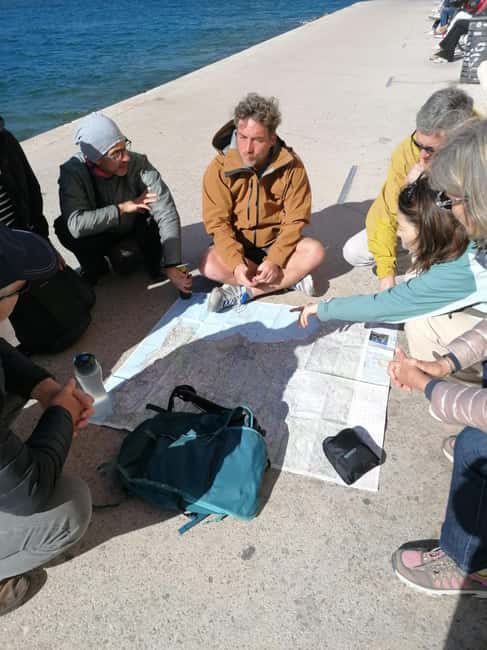
- A sea-to-hills route that links the waterfront to the viewpoint of Notre-Dame de la Garde
- Small-group energy (max 10) so you can actually ask questions and compare notes
- Insider stops and photo pauses, including off-the-beaten-path corners like Vallon des Auffes
- Frequent water points and included sunscreen, helpful on warm days
- A genuine workout, with narrow alleys and steep climbs toward the basilica
From Burger King to the Old Port: your starting line in Marseille
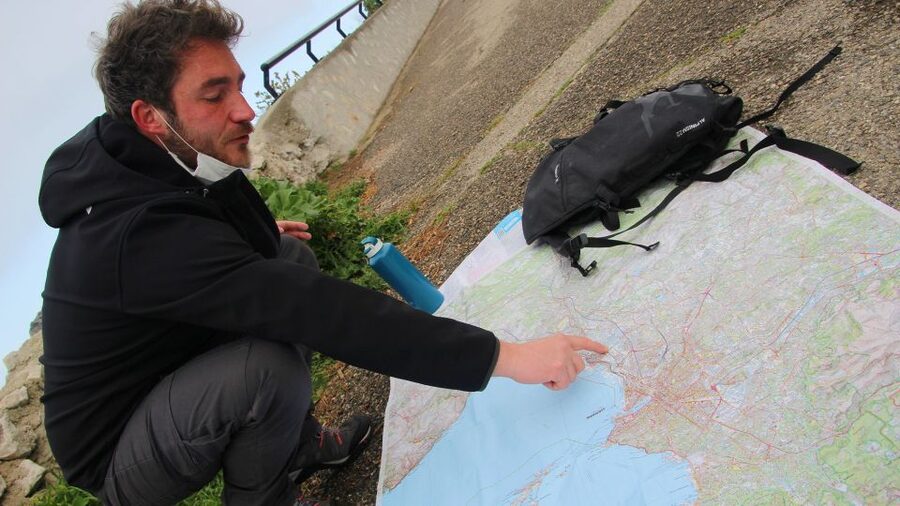
Meet in front of Burger King at the intersection of La Canebière and the Quai des Belges. Yes, it is a very specific start point, but it’s also easy to find once you anchor yourself near the Old Port area.
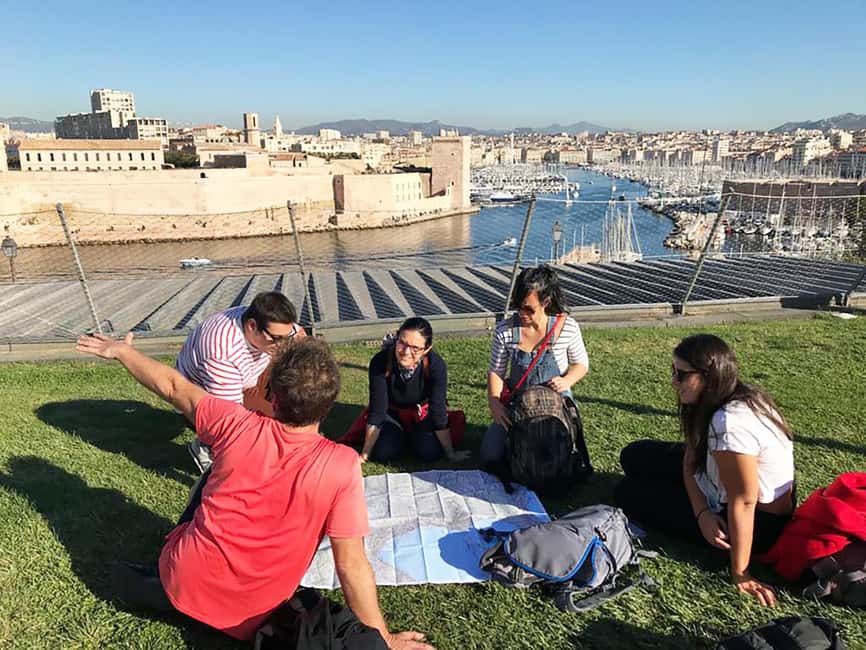
The tour kicks off with a brief guided introduction by the Old Port of Marseille. Even if you’ve already wandered the harbor, this is the moment to get your bearings fast, because the guide frames what you’ll see next—where the city’s energy comes from and why Marseille developed the way it did.
A practical note: your guide will be dressed in hiking gear and carry a backpack. That means you’ll be able to spot them quickly, which helps on a tight meet-up window.
The Calanques on foot, more trails and climbs
Old Port to Palais du Pharo: history with sea-view momentum
After that short Old Port start, the walk continues toward Palais du Pharo. You’ll get a photo stop plus guided sightseeing along the way.
What I like about this part of the route is how it turns a simple walk into a moving orientation. Instead of dropping you at famous landmarks and calling it a day, the guide points out what matters: how Marseille’s waterfront and coastline shape daily life and how the city looks from different angles as you travel.
You’ll also get scenic views on the way. These aren’t just pretty backdrops; they help you understand why the later climb toward Notre-Dame de la Garde makes sense.
Plage des Catalans and the seaside approach: where the city exhales
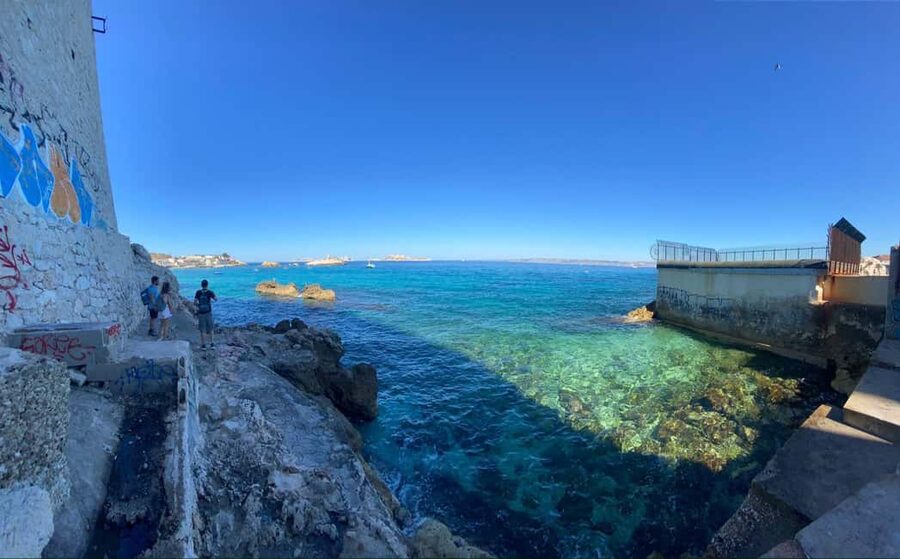
Next up is Plage des Catalans for another photo stop and guided pass-by sightseeing. Even if you’re not a beach person, you’ll feel the shift here: the atmosphere changes from port bustle to a more relaxed coastal rhythm.
Then the itinerary keeps threading the waterfront with stops that highlight Marseille’s smaller, character-filled edges rather than only the headline spots. This is one reason the tour feels more local: you’re not just looking at the sea, you’re seeing how people live near it.
Tip for you: if you’re sensitive to sun, this is where sunscreen matters. The tour includes sunscreen, but you should still bring your own water habits (you’ll have water points, but the tour does not include drinks).
Monument to the far-and-near: a quick pause with context
There’s a stop for the Monument aux morts de l’Armée d’Orient et des terres lointaines. It’s brief—more of a focused photo stop than a long visit—but the value is in what the guide ties to Marseille’s identity.
Short stops like this work well on a hike because they keep the pace while preventing the walk from turning into a nonstop history lecture. You get a moment of pause and perspective, then you’re back on the move.
If you like your stories anchored to specific places, this kind of stop is worth the time.
Vallon des Auffes: the cove detour that makes the tour feel real
One of the most rewarding segments is the Vallon des Auffes stop. It includes a guided walkthrough and sightseeing, plus scenic views.
This is the kind of place you might not seek out on your own. You get that mix of tight streets, a smaller coastal feel, and the sense of a working city edge rather than a postcard view.
For me, the big win here is contrast. You’ve had port energy, then beach views, and now you’re in a cove setting where you can see how neighborhoods curl around the water. It makes the rest of the itinerary click.
Your own guide, more private Marseille days


Anse de Malmousque and Anse de La Fausse Monnaie: viewpoints in miniature
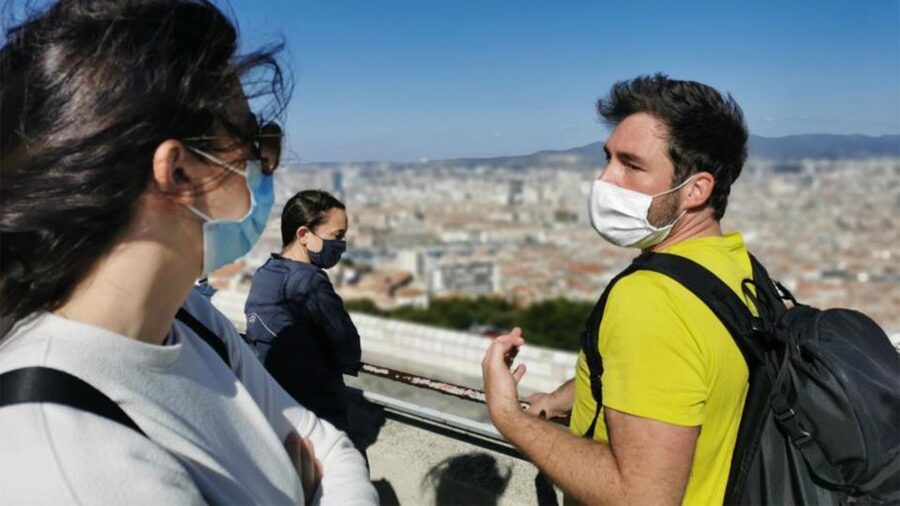
Then comes Anse de Malmousque and later Anse de la Fausse Monnaie, each with photo stops, guided points of interest, and sightseeing.
These are not long stays, but they’re perfect for what you’re paying for. A guided eye helps you notice details you’d otherwise miss: where boats sit, how the coastline bends, and which sides of the city feel more sheltered or more exposed.
And because you’re walking between them, you see how the topography changes. That’s part of the reason the climb later to Notre-Dame de la Garde feels less random. Your feet and your brain learn the city’s shapes together.
Chemin du Bois Sacré and the quiet inland shift
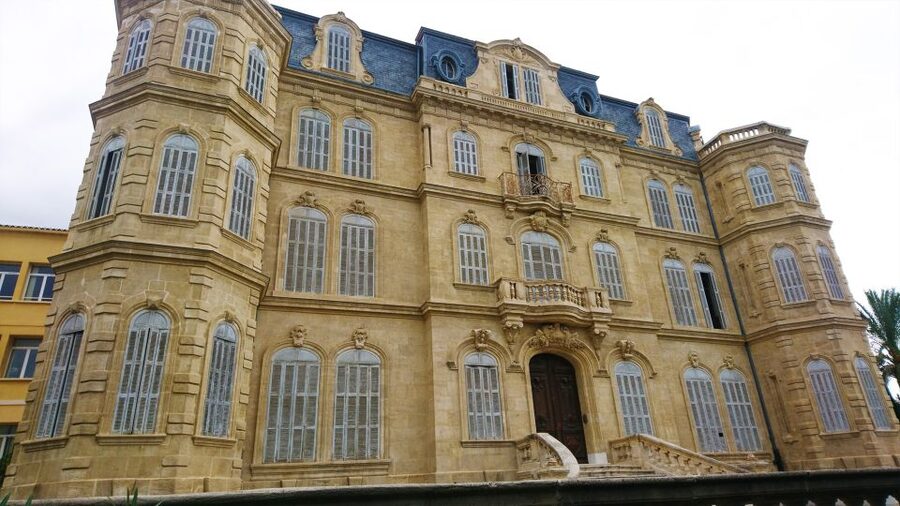
At Chemin du Bois Sacré, the itinerary shifts toward parks and calmer inland walking. Expect a guided portion plus a walk through quieter areas with scenic views on the way.
This part matters because it breaks the coastal rhythm. It’s also where the “urban hike” label becomes real: you’re transitioning from water-adjacent strolling to a more active route with steadier walking.
If the weather is warm, this is also where shaded parks and frequent rests can make the difference between a fun hike and a miserable one. The route is adapted in hot conditions with frequent stops and drinking water points.
The secret stop: the part you can’t plan, and shouldn’t miss
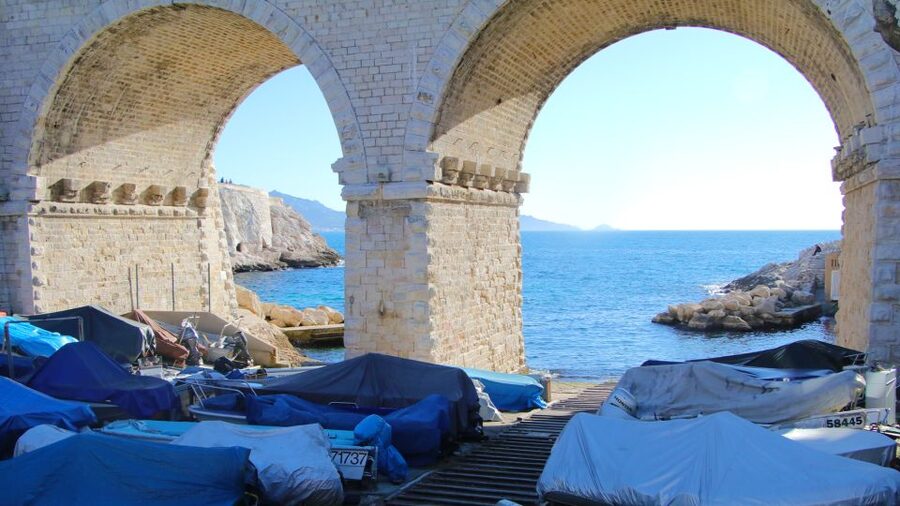
Midway, there’s a secret stop with photo stop time, guided sightseeing, and a long walking segment connected to it (about 40 minutes total for that stage).
Because the exact location isn’t detailed here, treat it like a guided bonus—part of the tour’s value is getting led to places you won’t easily find without local guidance. You’ll likely use this time for both a breath and more story-rich context from your guide.
The main thing you should do is bring patience. These pauses are where you’ll get the most “this is Marseille” feeling, not just the checklist of sights.
Notre-Dame de la Garde: the big climb and the payoff view
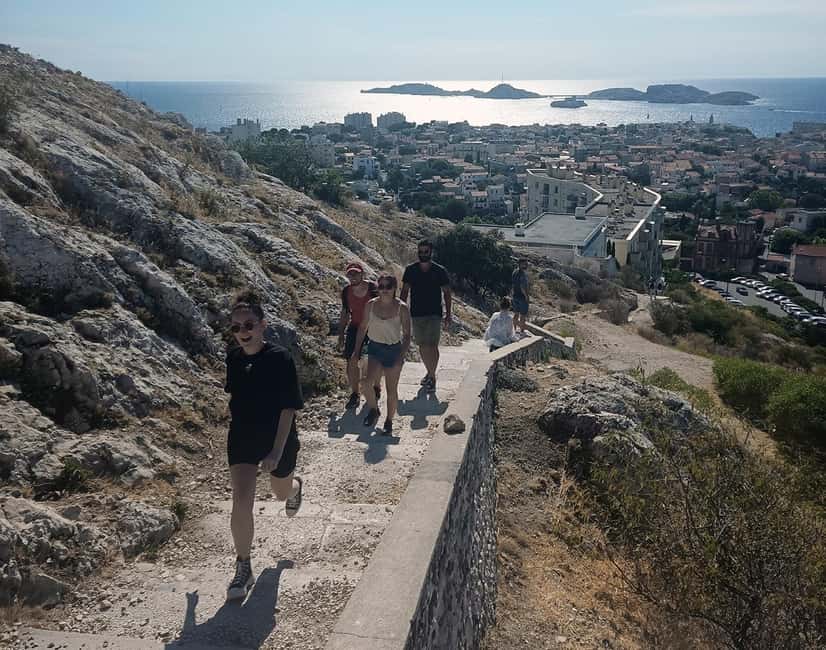
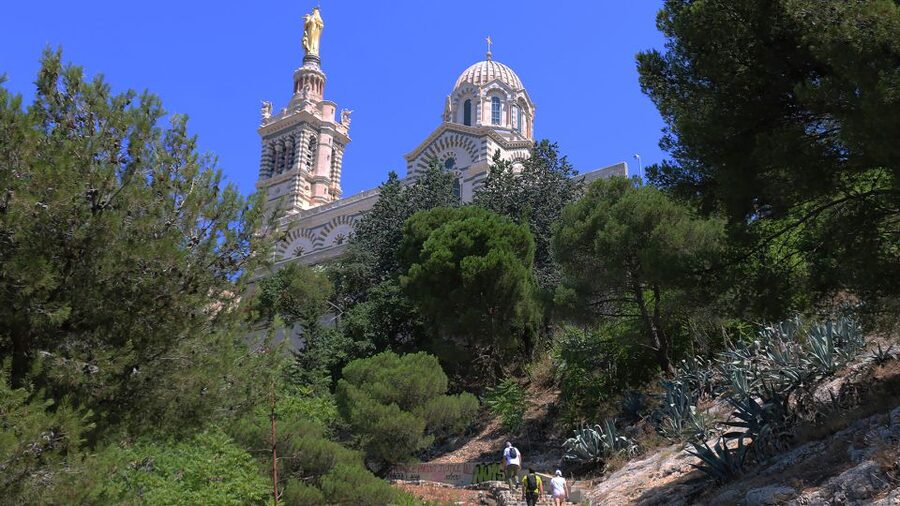
The highlight of the route is the climb to Notre-Dame de la Garde. The stop includes a photo moment, a guided explanation, plus self-guided time and scenic views on the way.
This is where all that earlier walking starts to make sense. You’re going from ports and coves into the city’s higher ground, and from the basilica area you can look back across Marseille’s shape—the water, the neighborhoods, and the way the coastline and hills structure the whole experience.
I also love that the tour gives both guided and self-guided time here. You get the story first, then you have a chance to look around on your own and connect it to the view.
One consideration: this is the steepest-feeling segment for many people. The tour is best if you pack good shoes and accept uneven steps as part of the deal.
Boulevard André Aune back toward the Old Port: finishing with momentum
After the basilica, the itinerary moves along Boulevard André Aune with photo stop time and a guided walk and pass-by segment, plus scenic views.
This feels like the winding-down phase: you’ve earned the big view, now you’re returning toward the center and the city’s core energy. The guide’s storytelling continues, but the physical strain should feel more manageable than the climb.
Then you arrive back at the Old Port of Marseille for a short free-time window. It’s not meant to be a long sit-down moment—more like a chance to grab a final look at the harbor before you head out.
Pace, group size, and why 210 minutes can turn into more
The scheduled duration is 210 minutes, and the tour can sometimes exceed 3.5 hours when it’s a day with lots to talk about. That’s normal for a guide-led walking tour, especially one built around conversation and frequent stops.
The group is limited to 10 participants. In practice, that small size is a big part of the value: you can ask practical questions, and the guide can adjust pacing so people don’t get lost behind.
Do note the route includes real walking—think uneven surfaces, narrow alleys, and incline. One review specifically flagged seven miles of pavement/asphalt plus uneven steps, so I treat this as an active hike rather than a gentle city stroll.
If you’re planning other activities afterward, keep your schedule loose. Give yourself breathing room.
Price and value: what $46 buys you in Marseille
At $46 per person, this tour is priced like a bargain when you compare it to the cost of multiple day tours. You’re paying for three things at once: a local guide, a structured route that connects different parts of Marseille, and included basics that keep you comfortable outdoors.
The guide is included, along with 8 water points on the route and sunscreen. That matters because the hike is long enough that hydration and sun protection aren’t optional. Also, drinks are not included, so you’ll still want to bring your own water habits even with water points.
The best value comes from how the guide teaches you to read Marseille. You’re not just collecting photos. You’re understanding how neighborhoods differ, how Marseille’s past shapes its present, and why certain viewpoints are worth the effort.
Who should book this Marseille walking tour (and who should skip it)
This is a strong fit if you:
- Want an active way to see Marseille instead of hopping from one landmark to another
- Like history connected to how people live now (the guide covers culture and heritage, plus real-world context)
- Enjoy walking with a small group where questions are welcome
It’s probably not for you if:
- You need a low-step, mobility-friendly route (it’s not suitable for people with mobility impairments)
- You’re traveling with children under 7
- You strongly dislike steep climbs or uneven pavement
If you’re the type who hates feeling rushed, do yourself a favor and go in expecting a steady pace with stops. The guide is praised for waiting for everyone and for giving fair warning that the hike is real.
Should you book this Marseille urban hike?
Yes, if your goal is to understand Marseille in motion. I’d book this for the combination of sea coves, neighborhood contrast, and the summit payoff at Notre-Dame de la Garde. With a small group and a guide who connects landmarks to culture and everyday life, the walk becomes more than exercise.
Skip it or choose a gentler alternative if you’re not comfortable with steep steps, because the route is designed to go up. And because the tour may run longer than the planned 3.5 hours, don’t stack your day too tightly.
FAQ
How long is the Marseille urban hiking tour?
It lasts 210 minutes, which is about 3.5 hours. On some days it can exceed that.
Where do I meet the guide?
Meet in front of Burger King at the intersection of La Canebière and the Quai des Belges. The guide is dressed in hiking gear and carries a backpack.
What language is the tour offered in?
The live guide speaks French and English.
Is water included?
Water or drinks are not included. The tour includes 8 water points on the route, and sunscreen is also included.
How big is the group?
It’s a small group limited to 10 participants.
Is this tour suitable for kids or mobility limitations?
It is not suitable for children under 7 years and not suitable for people with mobility impairments.
What should I bring?
Bring comfortable shoes and sunscreen, and carry water with you.
More Tour Reviews in Marseille

Your Own Marseille, Just Your Group
The Calanques on Foot
Just Added: Fresh Marseille Reviews




Calanques Hiking & Climbing, compared.
 ★ 4.9Calanques National Park Guided Hike with PicnicFrom $41516 reviews
 ★ 4.8Calanques National Park Guided HikeFrom $41489 reviews
 ★ 4.5Hiking in the Calanques National park from MarseilleFrom $42211 reviews
 ★ 4.7Cassis: 3 Calanques Half-Day Hiking Tour with SwimmingFrom $51158 reviews
 ★ 4.8Guided Hiking Calanques National Park from LuminyFrom $47100 reviews
 ★ 4.0Rando-Palmée Getaway Around an islandFrom $6854 reviews
 ★ 5.0Guided hike in the Calanques National ParkFrom $4737 reviews
 ★ 5.0The Urban Hike of MarseilleFrom $4135 reviews
Browse the lists this tour appears in