
Reviewed · MARSEILLE LANDMARKS & HERITAGE
History and Van Gogh in Provence from AIX-EN-PROVENCE
Vincent Van Gogh meets medieval Provence.
This is the kind of day trip that pairs art storytelling with real places, from Arles to Avignon and up toward Saint-Rémy. I like that it’s capped at eight travelers, so the guide can actually answer questions and adjust pacing. One consideration: it’s a full, busy day, and a couple of stops are brief or mostly exterior, so you’ll want to be comfortable moving on quickly.
You start in Aix-en-Provence at 9:00 am, ride in an air-conditioned vehicle, and spend about nine hours hopping between towns. The experience is designed as a “Van Gogh in context” route—how the region’s Roman roots, medieval power, and artists’ daily life all shaped what he saw. If your goal is deep museum time at every stop, plan to focus on what you can see on the ground rather than expecting long, inside visits.
In This Review
- Key things to know before you go
- Aix-en-Provence to four towns in one day (and why it works)
- Arles amphitheatre area and Van Gogh streets on foot
- Avignon’s medieval core and the Popes’ Palace emphasis
- Saint-Rémy’s St. Paul de Mausole photo stop for Starry Night context
- Les Baux-de-Provence: clifftop medieval views and quick shopping time
- Value for the price: what $180.72 covers (and what it doesn’t)
- Guide style can make or break the day
- What the pacing feels like in real life
- Should you book History and Van Gogh in Provence from Aix?
- FAQ
- How long is the tour?
- What towns are included in this day trip?
- How many people are on the tour?
- What language is the tour offered in?
- Where do you meet, and when does it start?
- Is an entrance ticket included for the stops?
- What’s included in the price?
- Do I get a ticket on my phone?
Key things to know before you go
- Small-group size (max 8): easier conversations, more time for photos, less herding.
- Van Gogh links you can spot: the route connects places to his stops and paintings, not just dates on a wall.
- UNESCO-driven itinerary: multiple World Heritage areas show up along the way.
- Brief stops, big payoff: quick hits in Arles and Avignon, plus shorter photo time at Saint-Rémy.
- Entrance fees are extra: you’re paying for guiding and transport, while sites’ interiors may cost more.
- Guide quality matters: some guides lean more into history and explanation than others, so be ready to ask questions.
Aix-en-Provence to four towns in one day (and why it works)
This is a classic Provence “greatest hits” route, but with an artist twist. The timing is tight in a good way: you’re out early, you’ll cover multiple towns, and you return to the same meeting point in late afternoon. It’s long enough to feel like you did something meaningful, but not so long that you’re stuck on the road all day with no stops.
You’re also in air-conditioned comfort for the driving time, and the tour includes the guide/driver. That matters in Provence, especially in warm months when you’d rather not roast in a parking lot waiting for your group to gather. Bottled water isn’t included, so bring something you like to drink.
Finally, it’s booked fairly steadily (an average of 42 days in advance). If you’re traveling in peak season or on a busy holiday window, book early so you can get the time and group size you want.
Deeper into the Marseille story, more landmarks


Arles amphitheatre area and Van Gogh streets on foot
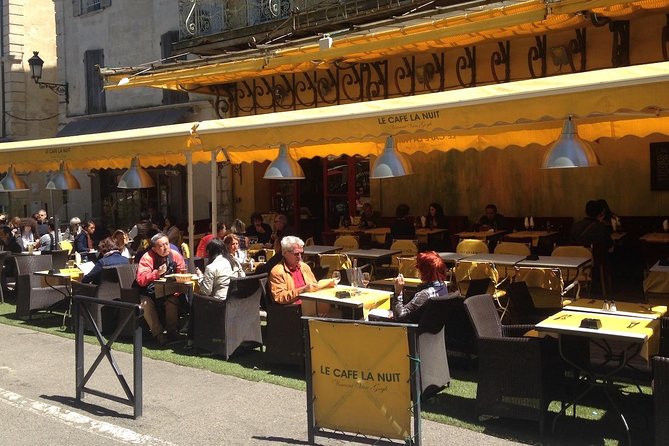
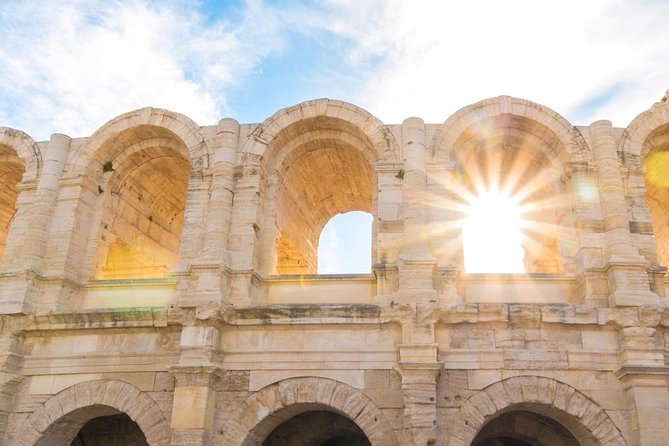
Arles is where the day gets cinematic fast. You start with the amphitheatre area—one of those Roman leftovers that makes modern streets feel grounded and ancient at the same time. Then you walk the narrow lanes, tracking the rhythm of the city in a way that makes Van Gogh’s experience feel less abstract.
This stop is timed at about 1 hour 30 minutes, which is enough for a real stroll rather than a drive-by. The pace is the point: the guide can help you connect what you’re seeing to what Van Gogh was likely responding to—light, street layout, and everyday life.
Two practical notes to keep in mind. First, you may not be able to go inside the amphitheatre, and in some cases it’s more about seeing the setting and understanding it than touring every interior space. Second, don’t expect preserved “Van Gogh landmarks” to look like they did in 1888—some locations are marked rather than intact. That’s normal, and it doesn’t ruin the story; it just changes how you experience it.
Avignon’s medieval core and the Popes’ Palace emphasis
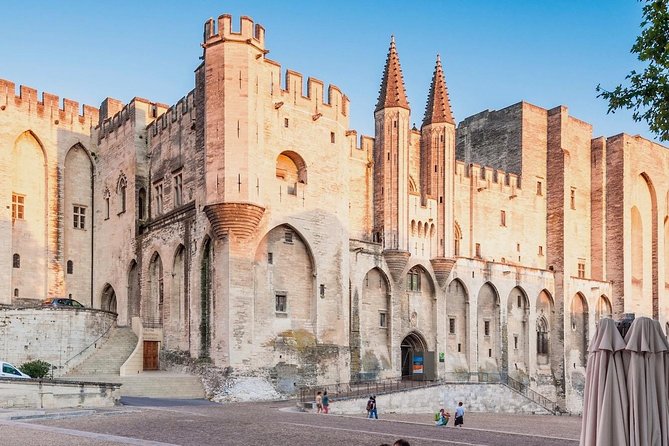
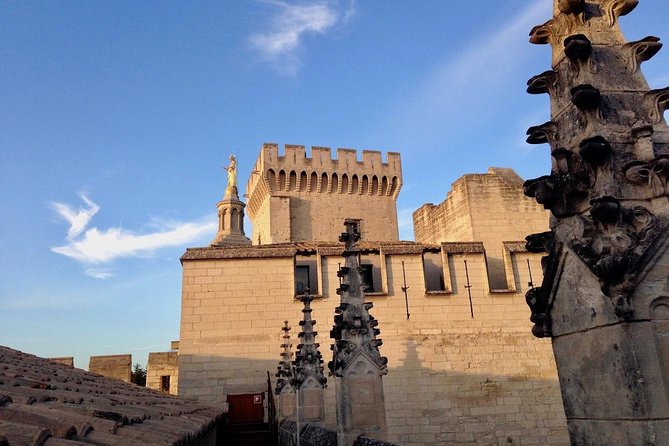
Then you head to Avignon, where medieval power is not subtle. Even in a short visit, the architecture does the talking: thick stone, dramatic forms, and that unmistakable sense that this city once mattered on a political and spiritual level.
Your Avignon time is about 1 hour, focused on getting oriented and seeing key sights, especially the Popes’ Palace. This is one of those places where even if you’re not going deep into every room, you’ll understand why the palace dominates the skyline. It’s also a great moment to connect art history to religious and political history, since the palace shaped the world artists lived in.
Because entrance fees aren’t included, you should think of this stop as “see and learn” rather than “spend hours inside.” If you want maximum interior time, you may have to pay additional site entry fees and accept less street wandering. The upside is that you’ll still come away with a strong sense of scale—how the building and its era work together.
Saint-Rémy’s St. Paul de Mausole photo stop for Starry Night context
Saint-Rémy is a different mood than Arles or Avignon. The energy shifts from big-city monuments to a quieter setting where you feel the weight of place and time. Here, you’re guided to St. Paul de Mausole for a short photo opportunity—about 20 minutes.
This is the part of the tour that helps you connect the painting La nuit étoilée with the region. The stop is positioned specifically as a proximity and perspective moment, not a full monastery visit. If you were hoping for long stays and indoor access, this is the time to adjust your expectations: you’re seeing the landscape context and letting the guide tie it to what Van Gogh experienced around that period.
Bring a camera, but also bring patience. Short photo stops are all about lining up views and absorbing atmosphere quickly, so keep your questions sharp and your group-moving instincts ready.
Les Baux-de-Provence: clifftop medieval views and quick shopping time
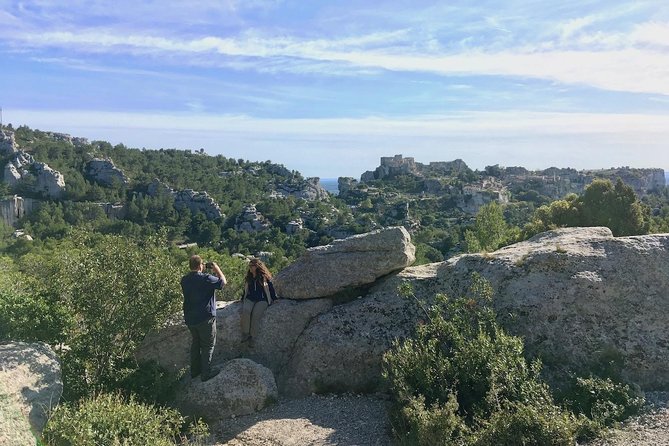
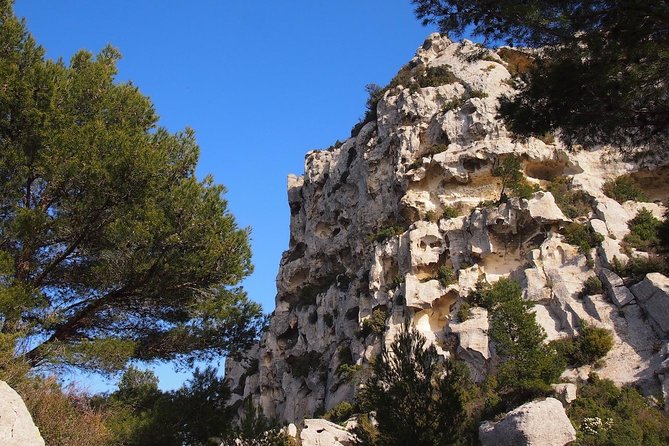
Les Baux-de-Provence is where the trip turns into postcard Provence. This tiny clifftop village feels like it’s built for looking out—architecture stacked against the hills, dramatic sightlines, and small shops that make it easy to grab a snack or souvenir without breaking your schedule.
You get about 1 hour here, which is perfect for walking a loop, stopping for photos, and still having time to browse. The village is also described as a place with strong stories from the past, so it’s not just scenery. You’ll get the medieval context that makes the “why” behind the architecture click.
Practical tip: wear shoes you can trust on uneven, old-stone streets. This is the stop where people tend to stop often for photos, so your feet will be doing more than you think. If it’s hot, you’ll appreciate the short-but-full window of time to cool off with a drink and move at your pace.
Over to Aix-en-Provence, more days out






Value for the price: what $180.72 covers (and what it doesn’t)
At $180.72 per person for about nine hours, you’re paying for three things: transportation in a small group, a guide/driver, and the time efficiency of covering four towns in one shot. The small-group cap matters here, because you’re not just buying transit—you’re buying commentary and pacing.
What’s not included is also important: entrance fees to visited sites and bottled water. That means your final “out-the-door” cost can change depending on whether you choose to enter optional interiors. On this itinerary, some stops may be more focused on exterior viewing and quick orientation, which helps keep the day moving.
If you’re the type who wants maximum museum time and you like paying once and staying inside, you might feel entrance costs more. If you prefer “see it, understand it, move on,” this setup is often a strong fit.
Guide style can make or break the day
The tour’s big strength is how the route ties art to place. When the guide leans into the connections, it’s a game changer—Arles to Saint-Rémy to Avignon stops feeling like a coherent story instead of four unrelated towns.
In the experiences shared, Paul, Jenny, and Nathalie are praised for making the Van Gogh thread clear—where he painted, how he saw, and how Provence’s older layers influenced later artists like Cézanne. On the driving side, Marlon gets credit for courtesy and for being accommodating, though one experience notes less verbal guiding and more time spent texting while driving. That contrast is the main warning sign.
So here’s the practical way to handle it: come with specific questions. Ask the guide how a street layout or view connects to what you’re looking at. If you’re serious about the art history, this is a good day to ask for examples, not just facts.
What the pacing feels like in real life
This day is structured to keep moving, with short windows at several stops and at least one longer walk. Arles and Les Baux give you enough time to actually wander. Avignon is shorter, so it’s more about getting the big-picture impression quickly. Saint-Rémy is the briefest moment, which is ideal if your main goal is context and photos.
In other words: you’ll get depth through explanation, not through long stays in one building. If you love slow travel, you might wish for more time per town. But if you want a “do the route” day that still feels personal, the timing makes sense.
Also, because you return to the same meeting point, it’s easy to plan the rest of your evening in Aix without transit stress.
Should you book History and Van Gogh in Provence from Aix?
Book it if you want a smart, story-led day that connects Van Gogh to the places he would have known, while still seeing major towns like Arles and Avignon. The small-group cap and air-conditioned transport make it comfortable enough to handle a long day, and the route is built to help you see how history and art sit on top of each other in Provence.
Skip it (or at least adjust expectations) if your top priority is spending lots of time inside major attractions. Some stops are brief or photo-focused, and entrance fees aren’t included, so you’ll need to choose what you’ll pay to enter versus what you’ll take in from the outside. Also, since guide style varies, go in ready to ask questions—your day improves fast when you guide the conversation.
FAQ
How long is the tour?
It runs for about 9 hours.
What towns are included in this day trip?
You’ll visit Arles, Avignon, St. Paul de Mausole near Saint-Rémy-de-Provence, and Les Baux-de-Provence.
How many people are on the tour?
The tour has a maximum of 8 travelers.
What language is the tour offered in?
It’s offered in English.
Where do you meet, and when does it start?
The tour starts at 9:00 am at Les Artistes, 35 Pl. François Villon, 13100 Aix-en-Provence, France. It ends back at the meeting point.
Is an entrance ticket included for the stops?
Entrance tickets are not included. Entrance fees to visited sites are listed as not included.
What’s included in the price?
The price includes an air-conditioned vehicle and a guide/driver.
Do I get a ticket on my phone?
Yes, the tour uses a mobile ticket.
Arles, Les Baux and Van Gogh





A Day Over in Aix-en-Provence

Marseille Landmarks Up Close


Just Added: Fresh Marseille Reviews

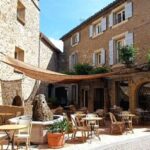


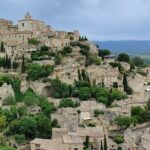





Marseille Landmarks & Heritage, compared.
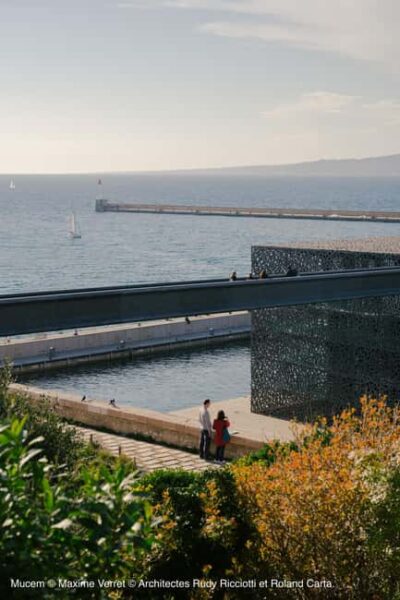 ★ 4.3Mucem Skip-the-Line Entry TicketFrom $13619 reviews
 ★ 4.1Musée de l’Illusion Entry TicketFrom $22488 reviews
 ★ 4.5OM Stadium Tour at the Orange VelodromeFrom $20402 reviews
 ★ 4.8Confiserie du Roy René: gourmet guided tour of the calisson museumFrom $532 reviews
 ★ 4.5All Inclusive Food & History Tour of Marseille with Local GuideFrom $17927 reviews
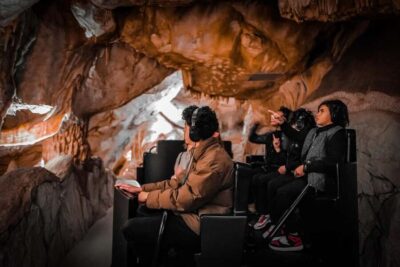 ★ 4.4Cosquer Cave Ticket & Panier District Audio TourFrom $2717 reviews
 ★ 5.0Guided Tour in Aix-en-Provence: Historical Old CityFrom $6515 reviews
 ★ 5.0Historical visit/Treasure Hunt of Aix en ProvenceFrom $4212 reviews
Browse the lists this tour appears in