
Reviewed · MARSEILLE LANDMARKS & HERITAGE
Marseille: Musée de l’Illusion Entry Ticket
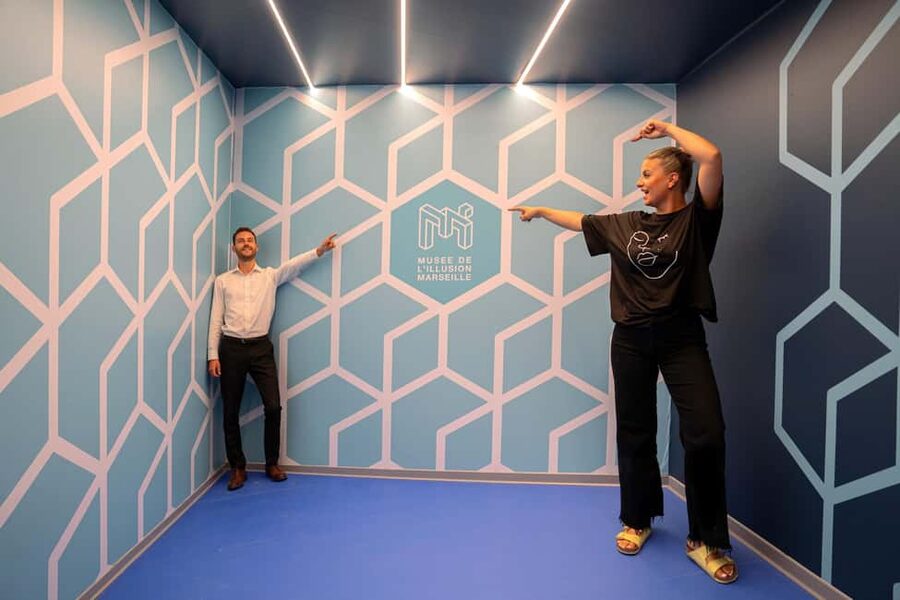
Your eyes get tricked fast. At Musée de l’Illusion Marseille, optical illusions turn a simple walk into a fun, hands-on brain game.
What I like most is how you get both the fun stuff and the “wait, how does that work?” part. The photo-changing rooms make it easy to spot the trick in real time, and the sensory exhibits help you understand the science behind why your brain jumps to conclusions.
One thing to plan around: no food or drinks are allowed, and the ticket doesn’t include refreshments. If you arrive hungry, you’ll want to eat nearby first.
In This Review
- Key highlights to know before you go
- A One-Hour Ticket to Optical Illusions in Marseille
- Walking In: Visual Tricks, Sensory Play, and Puzzle Moments
- Rooms That Flip Your Sense of Size and Gravity
- The Science Part: Why Your Brain Gets It Wrong
- What to Take Photos Of (And How to Make Them Look Good)
- Price and Value for a 1-Hour Experience
- Who This Museum Fits Best (And Who Might Skip It)
- Practical Stuff You’ll Thank Yourself For
- Should You Book Musée de l’Illusion Marseille?
- FAQ
- How long is the Musée de l’Illusion Marseille entry ticket?
- What does the ticket cost?
- Where do I go for the visit?
- Is the museum wheelchair accessible?
- What’s included with the entry ticket?
- Can I bring food or drinks inside?
- What should I bring with me?
- Is there free cancellation?
- Can I reserve now and pay later?
Key highlights to know before you go
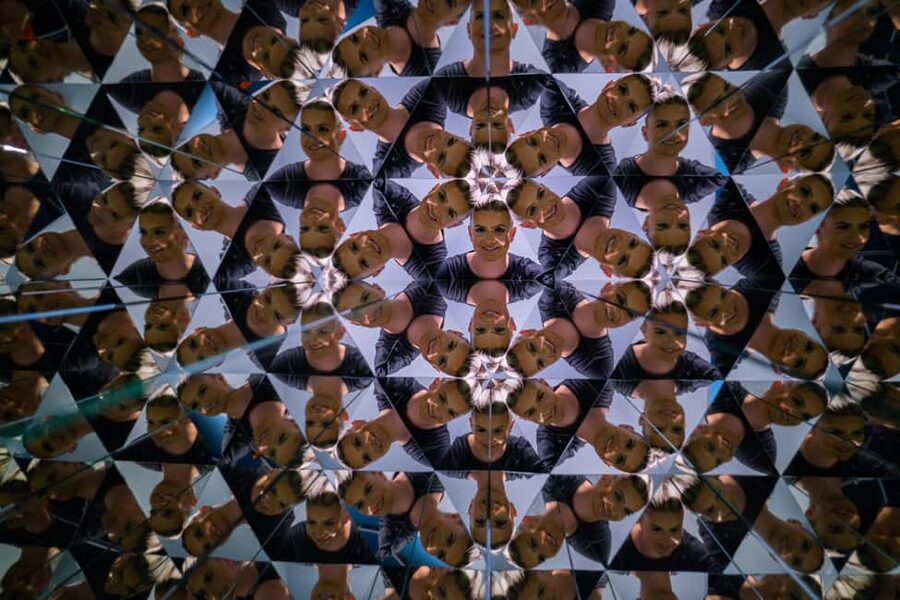
- Perspective-changing rooms where your size, gravity, and orientation feel totally off
- Hands-on sensory exhibits built for quick interactions, not just looking
- Holograms, puzzles, and visual tricks that reward paying attention
- Science behind perception helps you separate what you see from what you think you see
- Instagram-friendly moments designed for cameras and smartphones
A One-Hour Ticket to Optical Illusions in Marseille
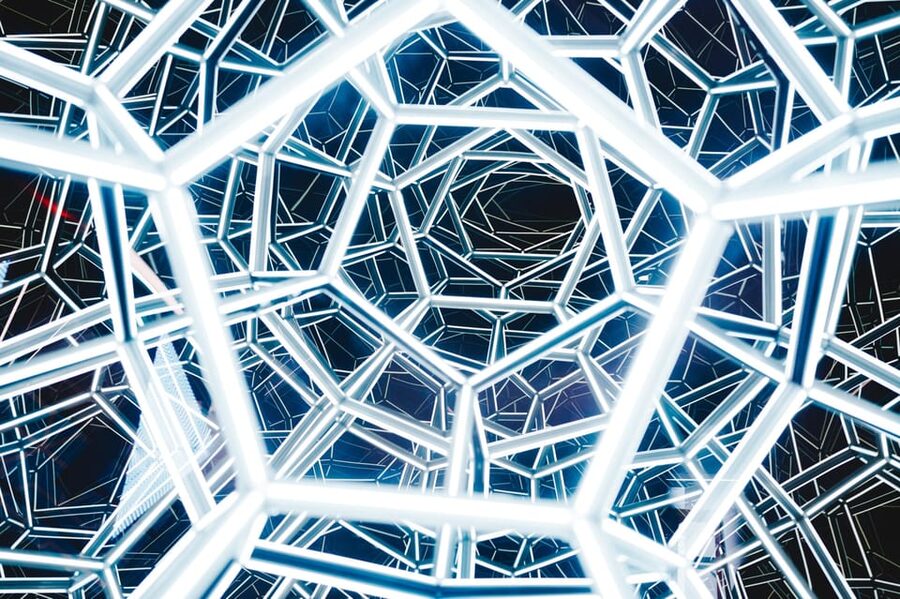
The Musée de l’Illusion is built for a short, satisfying visit. Your entry ticket gives you about one hour inside—enough time to try the main installations, take a bunch of photos, and still feel like you didn’t rush. If you’re day-tripping or building a tight itinerary around Marseille’s sights, this is a very workable stop.
The vibe is family-friendly and easygoing. You don’t need art-history homework. You just need curiosity, and a willingness to look twice (sometimes more). The museum is all about that moment when your brain insists the illusion can’t be real—right before it proves itself wrong.
Deeper into the Marseille story, more landmarks



Walking In: Visual Tricks, Sensory Play, and Puzzle Moments
Right after you enter, you’re pulled into a world of optical illusions that rely on how vision works. Expect a mix of visual and sensory installations—things that make you move, pause, and test what your eyes claim is happening.
You’ll run into:
- Holograms and other perspective-based effects
- Puzzles that make you think in a practical, hands-on way
- Visual information that nudges you to compare what you see with what you assume you’re seeing
This part is great because it’s not just “look at a screen.” The exhibits are meant to keep you actively engaged. If you enjoy figuring out how tricks work—whether you’re traveling solo or with kids—this museum delivers.
A small consideration: since it’s a focused one-hour experience, prioritize what interests you most. If you’re the type who can spend an hour on one single exhibit, you may want to move with intention.
Rooms That Flip Your Sense of Size and Gravity
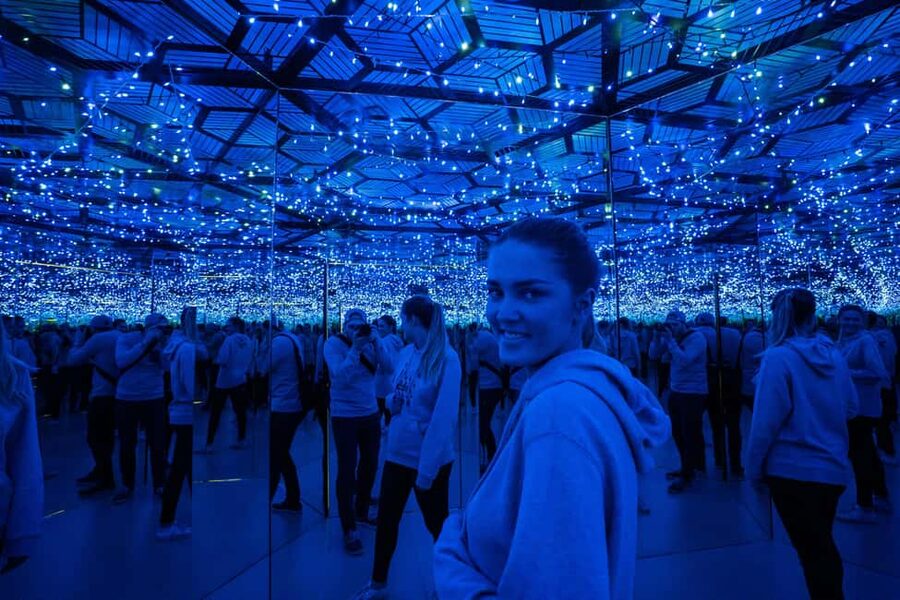
One of the biggest draws is the set of perspective-changing rooms. These are the installations that make people step back, laugh, and start aiming their phones like they’re filming a magic show.
The museum specifically sets you up for photo moments where you can look:
- Floating in mid-air
- Standing upside down
- Shrinking or changing in size
The best part is that you’re not just observing the illusion—you’re part of it. That’s why photos tend to turn out well here: the rooms are designed so your position matters, and the effect happens at the moment you’re looking at the final shot.
Practical tip: for your photos, slow down. Give yourself a few seconds to find the exact spot the room is asking for. Even if you’re rushing, these exhibits punish quick, off-target framing.
The Science Part: Why Your Brain Gets It Wrong
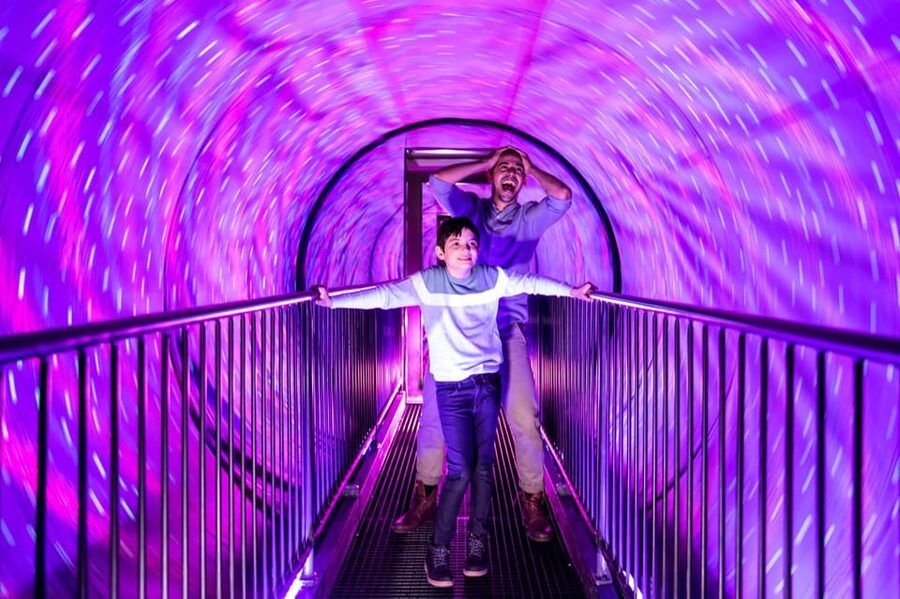
Between the spectacle and the photos, there’s an educational layer that makes the museum more satisfying than a pure gimmick. The experience explains the science behind illusions and focuses on the difference between what you see and what you think you see.
This matters because it turns the visit into something memorable. Instead of feeling like you simply got fooled, you come away with a clearer sense of how perception works—why your brain fills in gaps, how it interprets angles, and why the “obvious” interpretation isn’t always the correct one.
It’s especially good for mixed groups. Adults often enjoy the learning side; kids tend to love the interactive physical side. Here, both are built into the same route.
What to Take Photos Of (And How to Make Them Look Good)
If you’re coming with a camera or a charged smartphone, you’re set up for success. The museum is clearly designed for photography, with installations that create dramatic effects as you stand in the right place.
For the best results:
- Take a wide shot first, then try a close angle.
- Pause and check your orientation before you press the shutter.
- Don’t assume the illusion will read the same from every angle—these rooms are perspective-dependent.
Also, keep expectations realistic: not every photo will look perfect on the first try, because the effect relies on your position. But that’s part of the fun. The museum practically asks you to experiment.
A few more Marseille tours and experiences worth weighing up before you book:

Price and Value for a 1-Hour Experience

At $22 per person for about one hour, this isn’t a “spend all day” museum. It’s more like a high-impact detour—ideal when you want something interactive, visual, and easy to fit in.
For value, consider what you get in that one hour:
- A full entry ticket to the museum experience
- A mix of sensory, educational, and installation-based attractions
- Multiple photo-ready scenes designed around perception tricks
If you’re traveling with kids, the time window is a big plus. They usually stay engaged with hands-on exhibits better than passive attractions. If you’re an adult, the science layer keeps it from feeling like only a photo booth.
Where value might feel weaker: if you hate crowds or you prefer quiet, long museum sessions. This experience is meant to be active and interactive, not slow and contemplative.
Who This Museum Fits Best (And Who Might Skip It)
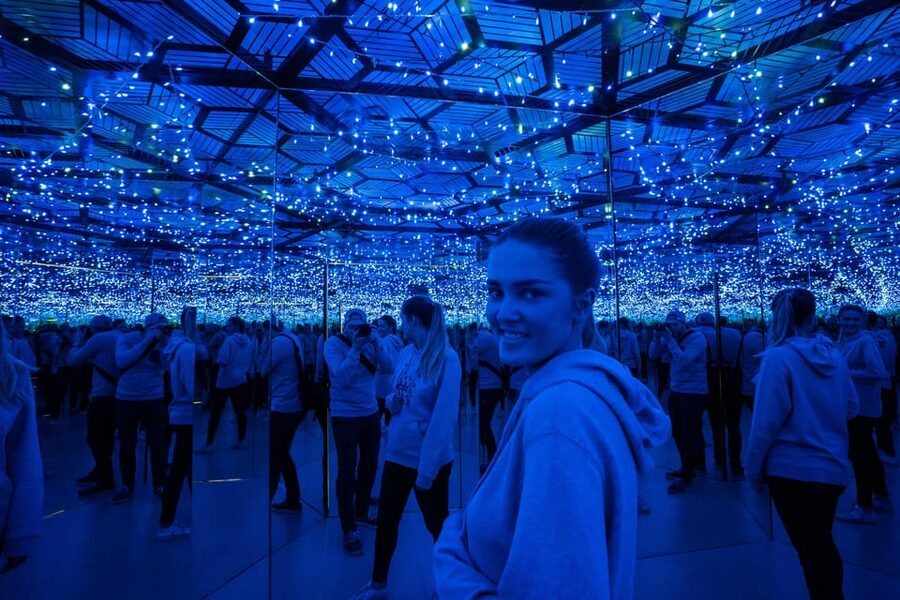
This stop makes the most sense for:
- Families who want shared fun that still has a learning component
- Couples who enjoy playful, visual experiences
- Friends traveling together who want something different from classic sights
It’s also a smart choice if you want a break from walking in the heat or you’re looking for a creative activity without committing to a half-day museum.
You might think twice if:
- You need a lot of time per exhibit
- You’re not interested in photos or perspective-based visuals
- You’d rather spend money on food and long attractions instead of short, ticketed experiences
Practical Stuff You’ll Thank Yourself For
The museum experience comes with clear rules, so plan ahead:
- Bring a camera and/or a charged smartphone
- Food and drinks aren’t allowed, and drinks aren’t included in the ticket
- Alcohol and drugs aren’t allowed
Since food isn’t included and you can’t bring it inside, eat nearby before you go. It’s the simplest way to keep the one-hour experience comfortable.
Should You Book Musée de l’Illusion Marseille?
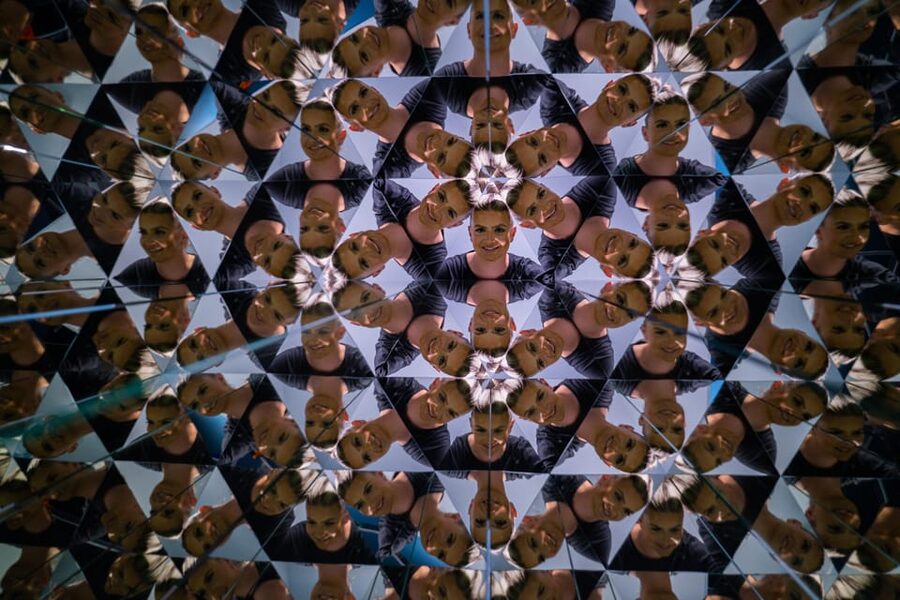
Yes—if you want an active, visual, and science-tinted break in Marseille that fits neatly into a busy schedule. The ticket gives you exactly what it promises: a mind-bending optical illusion experience, lots of interactive installations, and rooms designed for real perspective-change photos.
Skip it only if you prefer quiet museums, need long viewing time, or you’d rather spend your money on something that includes refreshments or a longer duration.
If you’re planning Marseille days with a “rainy-day backup” built in, this is a solid choice—and one you’ll probably talk about the next time you try to explain how your eyes got fooled.
FAQ
How long is the Musée de l’Illusion Marseille entry ticket?
The experience lasts about 1 hour.
What does the ticket cost?
The ticket price is $22 per person.
Where do I go for the visit?
Please go to Musée de l’illusion Marseille.
Is the museum wheelchair accessible?
Yes, the experience is wheelchair accessible.
What’s included with the entry ticket?
Your ticket includes entry to the Museum of Illusions Marseille.
Can I bring food or drinks inside?
No. Food and drinks are not allowed.
What should I bring with me?
Bring a camera and a charged smartphone.
Is there free cancellation?
Yes. You can cancel up to 24 hours in advance for a full refund.
Can I reserve now and pay later?
Yes. There’s a Reserve now & pay later option where you can book your spot and pay nothing today.
More Tickets in Marseille
More Tour Reviews in Marseille





Marseille Landmarks Up Close


Just Added: Fresh Marseille Reviews









Marseille Landmarks & Heritage, compared.
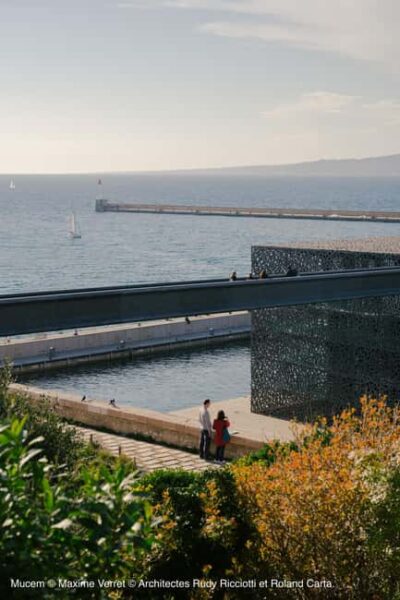 ★ 4.3Mucem Skip-the-Line Entry TicketFrom $13619 reviews
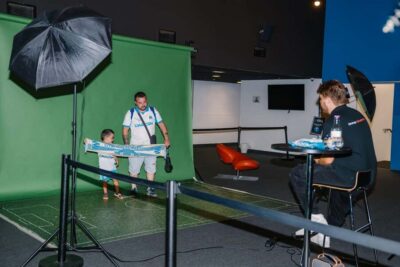 ★ 4.5OM Stadium Tour at the Orange VelodromeFrom $20402 reviews
 ★ 4.8Confiserie du Roy René: gourmet guided tour of the calisson museumFrom $532 reviews
 ★ 4.5All Inclusive Food & History Tour of Marseille with Local GuideFrom $17927 reviews
 ★ 4.5History and Van Gogh in Provence from AIX-EN-PROVENCEFrom $18024 reviews
 ★ 4.4Cosquer Cave Ticket & Panier District Audio TourFrom $2717 reviews
 ★ 5.0Guided Tour in Aix-en-Provence: Historical Old CityFrom $6515 reviews
 ★ 5.0Historical visit/Treasure Hunt of Aix en ProvenceFrom $4212 reviews
Browse the lists this tour appears in