
Reviewed · MARSEILLE CITY SIGHTSEEING
Marseille: Sightseeing E-Bike Tour
Marseille from a bike feels fast. This 3-hour e-bike tour strings together the city’s best monuments and viewpoints without making you sweat every uphill turn. You start at 2 Rue de la Loge and get kitted out right away, then roll through historic areas with a guide who helps you feel confident on the road.
What I love most is the mix of major landmarks and practical pacing. You get short, well-timed stops for photos and on-the-ground explanations, plus real breaks (including a stop at the Corniche and an optional bakery break). One more thing I like: the e-bike support makes the route doable even if you’re not a mountain-bike person.
The main drawback to consider is simple: you’re still riding in real city traffic at times, so you should be comfortable on two wheels. And if you don’t ride a bike well, or you’re traveling with a stroller or young kids, this won’t be the best fit.
In This Review
- Why This Marseille E-Bike Tour Works So Well
- Getting Started at 2 Rue de la Loge: Safety First, Then City Motion
- MuCEM and the Mediterranean Story: A Smart First Stop
- La Major Cathedral and Esplanade la Major: Classic Marseille Views
- Le Panier, Place de Lenche, and Bargemon: Old Town Without the Fatigue
- Hôtel Dieu, Maison Diamantée, and City Hall: Architecture With Explanations You’ll Remember
- L’Ombrière and the Vieux Port: Norman Foster Meets Sea Air
- Le Pharo and Bassin du Carénage: A Scenic Pause Before the Corniche
- The Corniche Kennedy: The Ride Turns Into the Experience
- Optional Bakery Break: Small, Useful, and Local
- Notre-Dame de la Garde: The Final Climb and the Best Reward
- The Best Part: A Guide Who Keeps Everyone With the Group
- Price and Value: What $58 Gets You (and What It Doesn’t)
- Who This Tour Is Best For
- Should You Book This Marseille E-Bike Tour?
- FAQ
- How long is the Marseille e-bike tour?
- How far do you ride during the tour?
- What’s included in the price?
- Are meals included?
- Where do we meet the guide?
- What languages is the tour guide?
- Is this tour suitable for kids or non-riders?
Why This Marseille E-Bike Tour Works So Well
- New-style e-bike riding support makes hills and long stretches feel manageable over ~20 km in 3 hours
- Small group size (up to 10) means the guide can actually keep an eye on everyone and answer questions
- Top-to-bottom sight coverage: MuCEM, Le Panier, Old Port, Corniche Kennedy, and Notre-Dame de la Garde
- Photo stops that don’t feel rushed, including major viewpoints like the Corniche and the basilica area
- Helpful pre-ride setup: helmet fitting, quick safety briefing, and a short test ride before you roll out
Getting Started at 2 Rue de la Loge: Safety First, Then City Motion
The tour begins at a bike shop on 2 Rue de la Loge (13002 Marseille). Expect a calm start: a safety briefing, helmet distribution, and a quick rundown of how the e-bike gears and electrical assistance work. This matters more than it sounds. If you know when to use assistance (and how to keep your pedaling smooth), the ride stops feeling like work and starts feeling like travel.
Next comes the pre-departure test drive and final bike check. They’ll confirm basic fit items like saddle height and brakes. You’ll also get advice for riding in Marseille—especially helpful if you’re used to quieter streets. People tend to remember that first moment: when you realize the bike is working well and you aren’t fighting it.
This is also where the guide sets the tone. In past groups, guides like Greg and Mathieu (and others including Matt, Tiou, and Cyril) were praised for being patient and taking time to make sure everyone feels comfortable. That’s the kind of detail you really want when your “tour bus” is a set of handlebars.
The coast on two wheels, more e-bike rides
MuCEM and the Mediterranean Story: A Smart First Stop
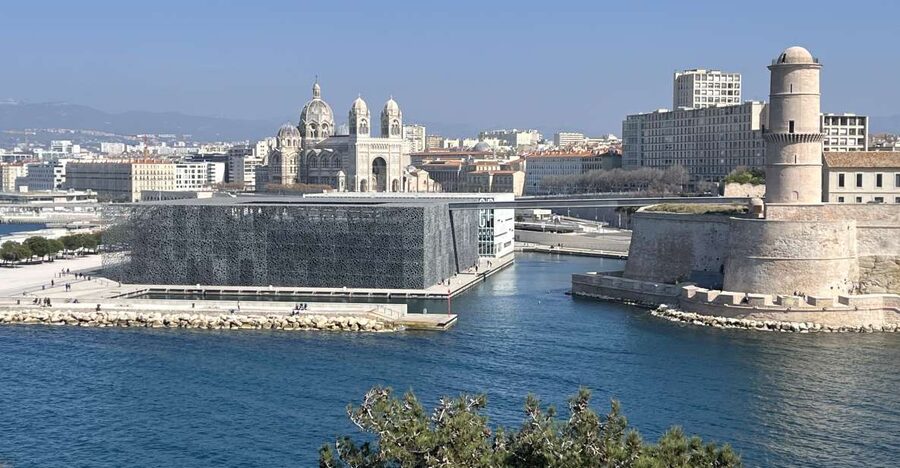
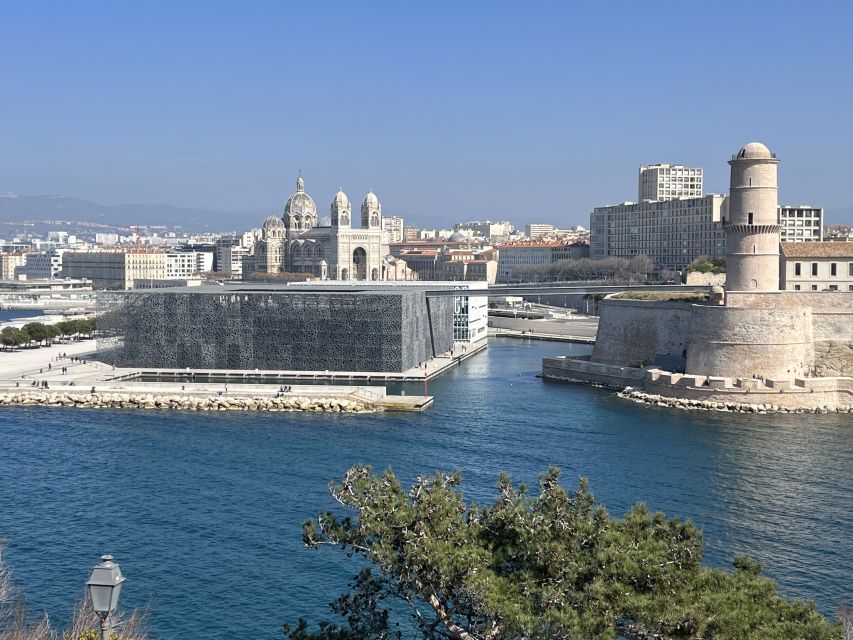
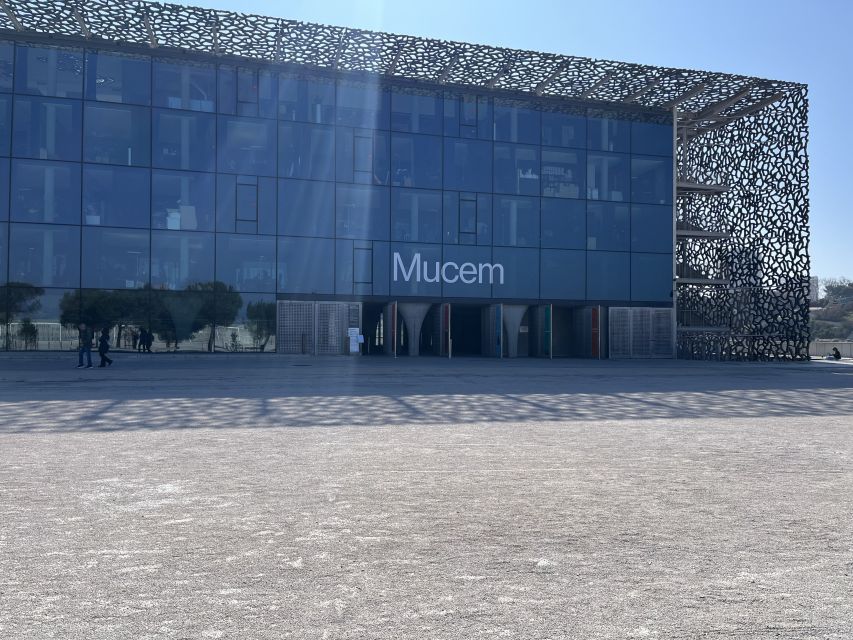
Once you roll out, the first big cultural anchor is the Museum of European and Mediterranean Civilisations (MuCEM). You’ll have a brief photo stop and a guided explanation (plus a quick visit). Even if you don’t plan to spend hours inside museums, this kind of first stop gives you a framework for what you’ll see later.
MuCEM also connects to a larger seaside theme. The tour includes the broader MuCEM / Villa Méditerranée / Cosquer cave context, which helps you understand why Marseille looks the way it does—how the coastline, trade, and history shaped the city’s identity. You don’t get lost in lecture mode; you get enough background to make later sights feel connected.
And practical tip: if you like taking photos, this is a good early moment to grab them before traffic and your group rhythm pick up.
La Major Cathedral and Esplanade la Major: Classic Marseille Views
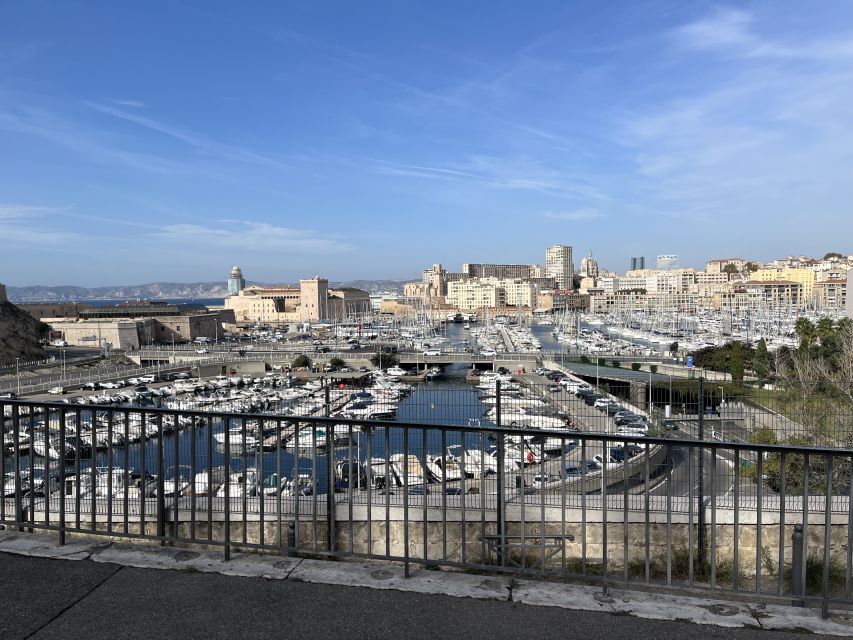
From there, you head toward La Major Cathedral, with a short ride to Esplanade la Major. The guided history here is meant to be useful, not academic. It’s one of those stops where a quick orientation makes the architecture easier to read.
You also have the option to visit the cathedral. That’s a nice element because it gives you choice: you can keep the tour moving if you’re short on time, or slow down for a closer look. Either way, the cathedral stop acts like a “breathing space” between the denser historic areas and the coastal stretch ahead.
One small caution: if you choose the optional visit, it can add time. The tour is paced for a total ride of about 3 hours, so plan to keep moving when the group signals it’s time.
Le Panier, Place de Lenche, and Bargemon: Old Town Without the Fatigue
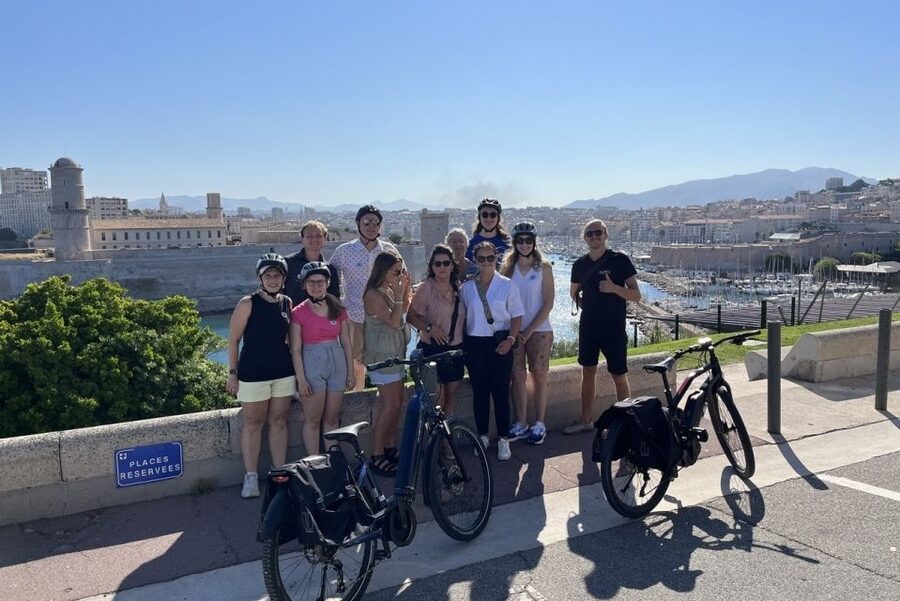
Now you roll through Le Panier via Place de Lenche. This is where Marseille feels textured. You’re riding through older lanes and viewpoints that you can’t really appreciate from a seated bus window. The guide fills in the story around places like Hôtel Dieu (with the InterContinental connection), Maison Diamantée, and Marseille City Hall—so what you’re seeing isn’t just “pretty streets,” it’s the city’s layers stacked over time.
This part also proves why an e-bike tour is such a good value. Le Panier would be a workout on foot for many people in half a day. On bikes, you can keep your eyes up and your legs under control.
If you want authentic urban energy, this area delivers. If you’re the type who hates tight turns or crowded lanes, take it as a time to move carefully and listen closely to the guide’s instructions.
Hôtel Dieu, Maison Diamantée, and City Hall: Architecture With Explanations You’ll Remember
The stop sequence around Hôtel Dieu, Marseille City Hall, and the Maison Diamantée is short—photo stops plus short guided context—but it’s a smart use of time. It’s the difference between spotting buildings and understanding why they matter.
Hôtel Dieu is introduced through its identity and location, including the InterContinental Marseille – Hotel Dieu framing. Maison Diamantée gets name recognition through a quick explanation, and City Hall is treated as part of the city’s modern civic identity rather than just another building.
In the best moments of this tour, the guide ties the pieces together. Past participants praised guides for repeating or clarifying history so people at the back of the group didn’t miss key details. That kind of attention makes a huge difference when you’re covering a lot of stops in 3 hours.
The whole city in one go, more ways to see it


L’Ombrière and the Vieux Port: Norman Foster Meets Sea Air
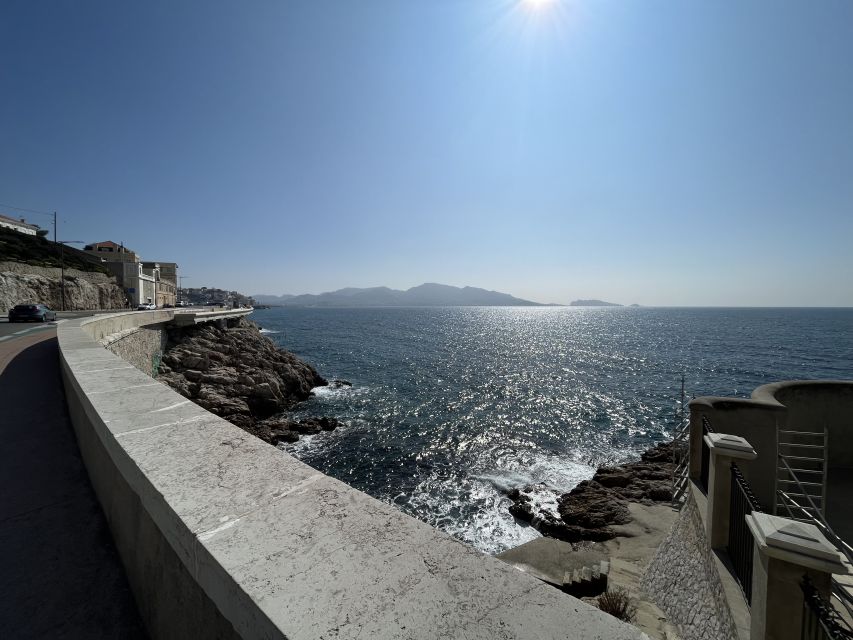
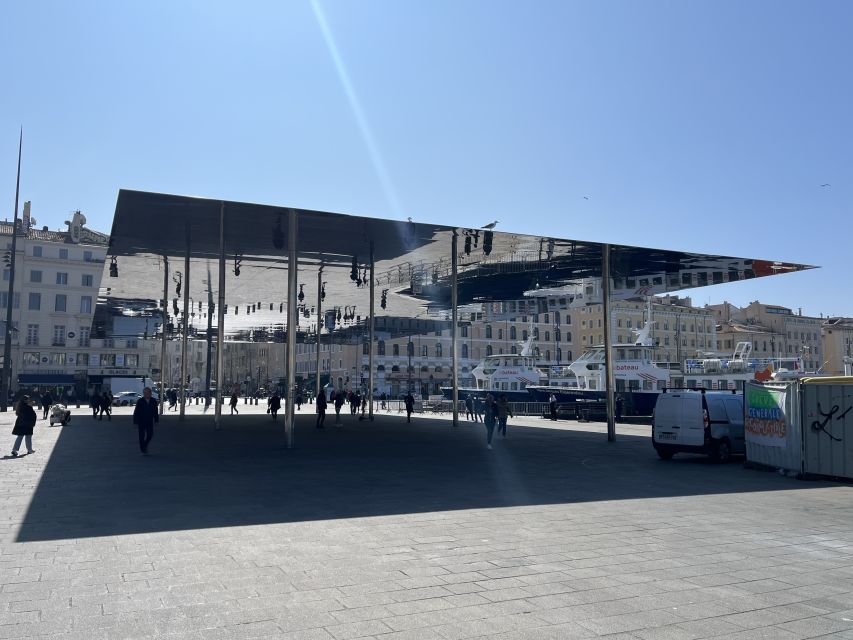
After that, you reach L’Ombrière. This is one of those spots you’ll likely recognize quickly—designed by Norman Foster—and it’s a meaningful stop because it shifts the feel of the tour. You go from tightly packed historic layers to a modern coastal point of view.
From here, the ride continues toward the Vieux Port. The guide’s description of the port gives you a “why this place matters” moment: Marseille has always been a working city tied to the sea, and the port is the spine of that relationship.
Plus, the coastal air helps the pacing. When you’re riding, you notice it. The tour doesn’t just throw you from one photo stop to another; it gives you stretches of movement along the water.
Le Pharo and Bassin du Carénage: A Scenic Pause Before the Corniche
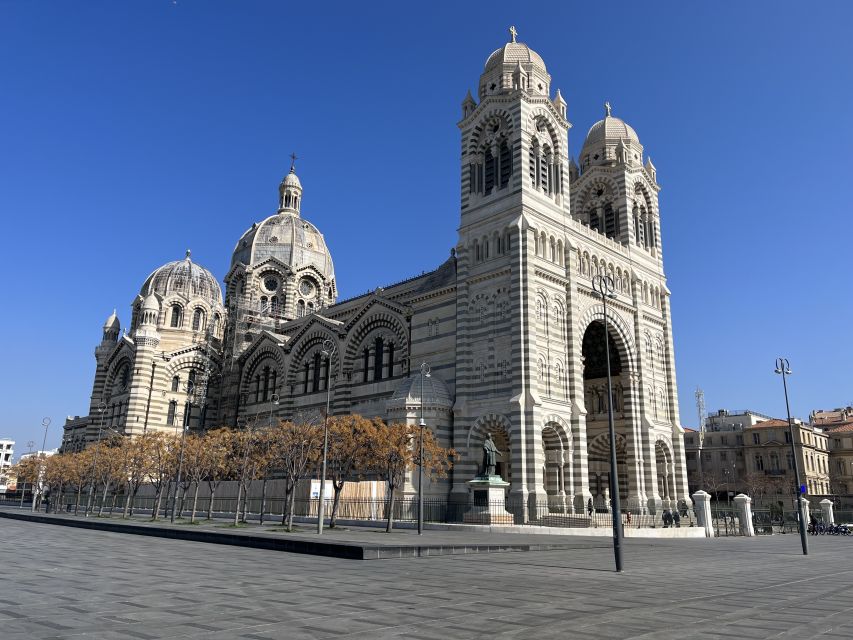
Next up is Le Pharo via the Bassin du Carénage. This section is all about views and atmosphere. Le Pharo is presented with history and context, then you get free time moments for photos and enjoying the coastline.
In practical terms, this is also a “set your riding rhythm” segment. If you’ve been paying attention to gears and the assist level, this is where you’ll feel how effortless the e-bike can be.
If you’re the type who gets tired on long days, this pause is reassuring. You’re not stuck sprinting between stops—you’re riding, looking, and resetting your energy.
The Corniche Kennedy: The Ride Turns Into the Experience
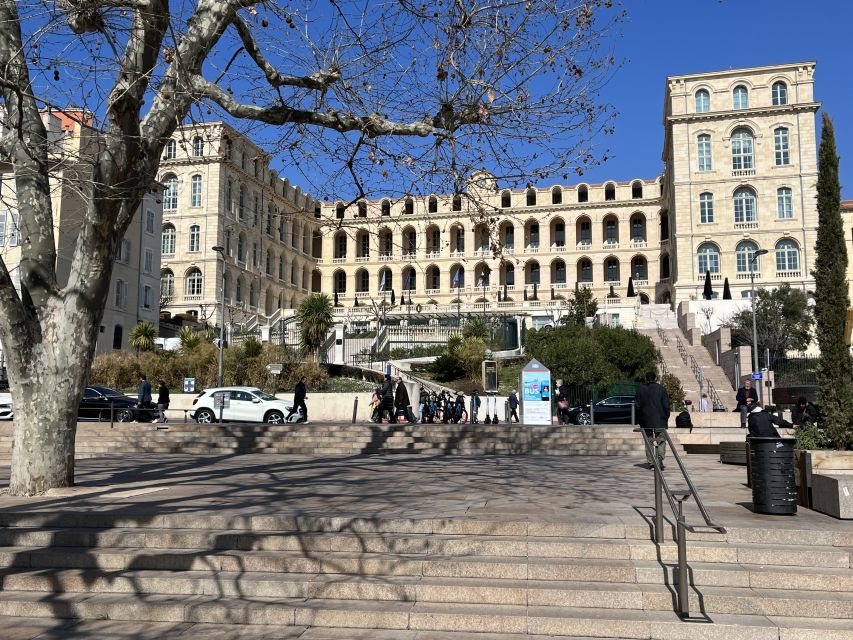
Then comes a highlight stretch: the Corniche John Fitzgerald Kennedy. This is where the tour really earns its keep. Riding along the Corniche gives you long coastal views, and the guide builds context as you go rather than making you stop constantly.
There’s a brief toilet break at Catalans, which is the kind of real-world detail that saves trips. After that, the tour continues along the Corniche and includes stops and explanations tied to local landmarks.
One notable stop is the monument to the colonial armies (Armée d’Orient et des Terres Lointaines), paired with an introduction to the Château d’If story. You’re not being asked to run off to an attraction with complicated tickets here. Instead, you get the meaning of what you’re seeing in the broader Marseille setting.
This section also includes talk of the Hélice de César (sculpture). Little stops like this can be the difference between a tour that feels like a checklist and one that feels like a walk through the city’s personality.
Optional Bakery Break: Small, Useful, and Local
There’s a 20-minute bakery break, optional. And if you like a simple local rhythm—coffee and a quick bite without spending time hunting—this is a good moment.
It’s not a “meal included” situation, so you’ll want to plan accordingly if you’re hungry. But the timing is smart: it happens after you’ve already done the key sights and before the basilica climb.
If you’re traveling with people who get hangry, this stop can be the peace treaty.
Notre-Dame de la Garde: The Final Climb and the Best Reward
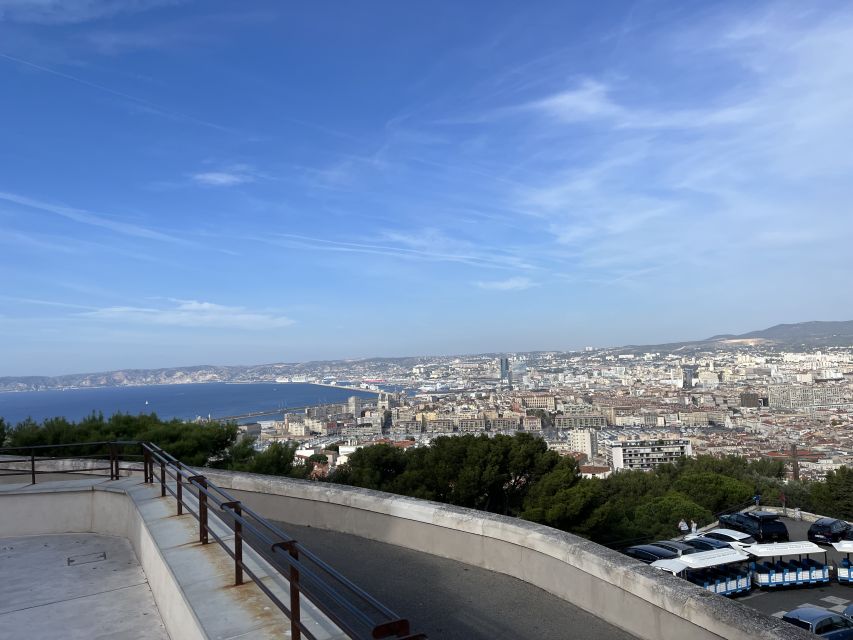
The tour ends by heading back toward Notre-Dame de la Garde via Avenue des Roches. This is the big finishing point, both visually and emotionally. The basilica area is presented with history, and there’s an optional visit.
Plan on about 20–30 minutes at this stop, which works well for a short visit plus bathroom break plus water fountain time. It’s also where you’ll appreciate the e-bike support most. Even if the ride is described as easy/medium overall, the approach to the basilica is the kind of Marseille hill that can be intimidating on foot.
The reward is the view. That sweeping perspective over the city is exactly why this tour is such a popular way to see Marseille in limited time. It’s the moment when everything you’ve ridden through starts to look connected.
The Best Part: A Guide Who Keeps Everyone With the Group
The tour’s quality isn’t only about sights. It’s about how the experience is managed. Across multiple groups, guides were praised for being professional and attentive, and for taking time to help riders feel at ease. People often highlight that the guide watched the group actively and tailored explanations for comfort—sometimes even repeating details so everyone could hear.
That’s huge on an e-bike tour because you’re moving through different neighborhoods and road conditions. A good guide helps you avoid the stress of trying to figure out timing, navigation, and when to stop.
And because the group is small—limited to 10—there’s a better chance you’ll get real answers rather than a one-way lecture.
Price and Value: What $58 Gets You (and What It Doesn’t)
The price you’ll see is $58 per person (the tour price is also listed as 50€ excluding tips). Either way, you’re paying for more than a bike rental. You’re paying for:
- the e-bike with electrical assistance
- a helmet and saddlebags
- a live guide who keeps the ride organized
- repeated “photo stop + short guided context” moments across the city
You’re not getting a meal included, so bring a plan for food and water. But for a 3-hour, ~20 km loop that covers MuCEM, La Major, Le Panier, the Old Port area, the Corniche, and the basilica viewpoint, the value is strong—especially if you want to see both sides of Marseille without spending most of your day commuting or climbing stairs.
Also, consider this: on a hot day, the e-bike support can turn a tiring day into a relaxed one. That alone often justifies the cost for first-timers.
Who This Tour Is Best For
This tour is a great fit if you:
- want a fast, efficient Marseille orientation without rushing through on foot
- like history explained in short, clear chunks tied to real places
- can ride a bike and are comfortable riding in city conditions
- prefer small-group attention (up to 10 people)
It’s less ideal if you:
- can’t ride a bike confidently
- need stroller access (strollers aren’t allowed)
- are traveling with children under 12
- weigh over 243 lbs / 110 kg
Should You Book This Marseille E-Bike Tour?
If you’re trying to see Marseille’s biggest monuments and viewpoints in one morning or early outing, I’d book it. The format is practical: you get major stops like MuCEM, the Corniche Kennedy, and Notre-Dame de la Garde, plus the kind of guidance that helps you understand what you’re looking at while you ride.
I’d only hesitate if you’re uneasy around traffic or you truly want a slow, strolling tour with minimal riding. But if you can bike and want city views without exhausting yourself, this is one of the most efficient ways to get your bearings fast—and still feel like you experienced the neighborhoods, not just passed them.
FAQ
How long is the Marseille e-bike tour?
The tour lasts about 3 hours.
How far do you ride during the tour?
The route covers about 20 km.
What’s included in the price?
You get an electrically assisted bicycle, a helmet, and saddlebags.
Are meals included?
No, meals are not included.
Where do we meet the guide?
Meet at 2 Rue de la Loge (13002 Marseille) at the bike rental shop.
What languages is the tour guide?
The live guide speaks English and French.
Is this tour suitable for kids or non-riders?
It’s not suitable for children under 12 years old. It also isn’t for people who can’t ride a bike, and there’s a weight limit of 243 lbs / 110 kg.
More Tour Reviews in Marseille


Marseille, End to End
Marseille on Two Wheels
Just Added: Fresh Marseille Reviews








Marseille City Sightseeing, compared.
 ★ 3.8City Sightseeing Hop-On Hop-Off Bus TourFrom $272,820 reviews
 ★ 4.8City Highlights Guided Half-Day E-Bike TourFrom $67325 reviews
 ★ 4.0Marseille Shore Excursion: City Sightseeing Tour of MarseilleFrom $96321 reviews
 ★ 4.8Iconic Calanques Boat Tour with SwimmingFrom $90281 reviews
 ★ 5.0Half-Day City Highlights Guided Walking TourFrom $58273 reviews
 ★ 4.7Provence Sightseeing Tour and Wine TastingFrom $199195 reviews
 ★ 4.9Essential Guided Walking Tour of the CityFrom $41161 reviews
 ★ 4.5Cassis and Aix en Provence Sightseeing Tour from MarseilleFrom $162132 reviews
Browse the lists this tour appears in