
Reviewed · CALANQUES HIKING & CLIMBING
The Urban Hike of Marseille
Marseille on foot tells the real story. This Urban Hike of Marseille is a 3.5-hour, 10-kilometer guided route that mixes exercise with history, sea culture, and architecture you’d miss on your own. I especially liked the way the guide (Olivier comes up again and again) makes the city feel human, with humor and details tied to specific streets.
Two things I’d highlight for you: the practical pacing (slow rhythm, shade, wooded breaks, and 8 water points, plus sun cream) and the views that actually reward your effort, especially from Notre-Dame de la Garde. One caution: it’s still a walk with stairs and steep bits, and it’s best when the weather cooperates.
Small group (max 10), so you can ask questions and actually hear the stories
8 water points + sun cream built into the route, helpful in warm weather
Sea-to-hills route through ports, coves, parks, and residential streets
Notre-Dame de la Garde with a 360° look at how Marseille is laid out
No car detours: narrow streets and viewpoints you won’t reach easily any other way
In This Review
- A 10-Kilometer Marseille Walk That Works as Your City Orientation
- Start at Quai des Belges and Get Your Bearings at Le Vieux Port
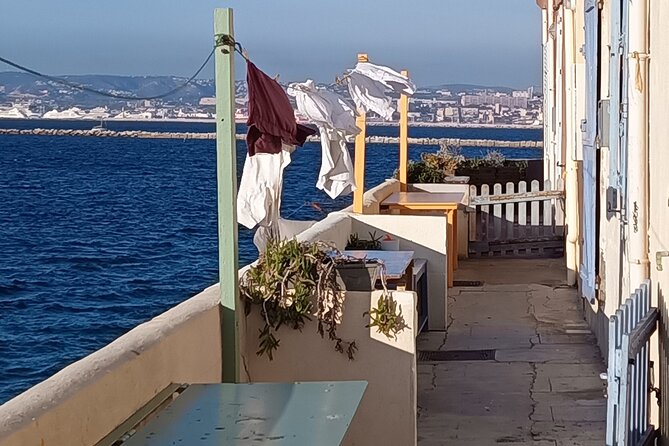
- Vallon des Auffes: Fishermen’s Houses and the Sea That Still Feels Close
- Corniche Kennedy and Palais du Pharo: Walking Views, Not Just Lookouts
- Parc Valmer and Villa Valmer: From Olive Oil Trade to Modern Tourism
- Chemin du Vallon de l’Oriol to Notre-Dame de la Garde: Quiet Paths, Then the Big Payoff
- Anse de Malmousque: A Calm Cove and a Different Kind of Marseille
- Boulevard André Aune and the Return Down: Where Marseille Gets Steep
- Final Loop: Old Port, Palais de Justice, and Where to Grab a Drink
- The Guide Makes It: Humor, Accuracy, and City DNA
- Practical Stuff You Should Plan for Before You Go
- Who This Tour Suits Best (and Who Might Prefer Something Else)
- Should You Book This Urban Hike of Marseille?
- FAQ
- FAQ
- Where does the Marseille urban hike start and end?
- How long is the walk?
- How far do you walk?
- How big is the group?
- Is the ticket digital?
- What if the weather is bad?
- Can I get a full refund if I cancel?
A 10-Kilometer Marseille Walk That Works as Your City Orientation
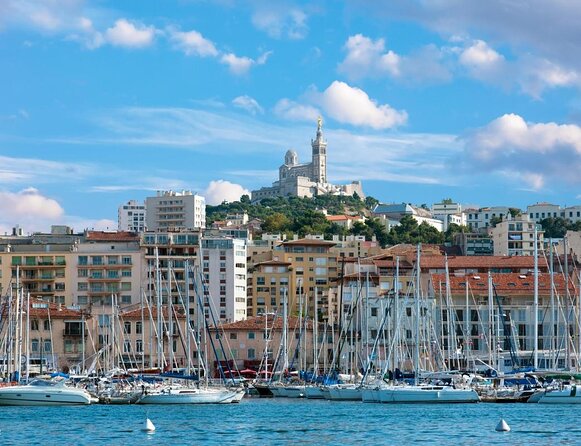
This isn’t a “see a few monuments” tour. It’s a walk that teaches you how Marseille is put together—sea on one side, hills on the other, neighborhoods climbing and folding around them. You move at a slow, steady pace and cover about 10 kilometers over roughly 3 hours 30 minutes.
For value, I like that you’re paying for a guide who interprets the city while you walk. You get more than facts. You get a sense of why places feel the way they do: where the port shaped daily life, why certain buildings and districts exist where they do, and how big changes in French history still show up in street-level details.
Start at Quai des Belges and Get Your Bearings at Le Vieux Port
You begin at 19 Quai des Belges. From there, you’re quickly into the heart of Marseille at Le Vieux Port, the natural starting point for understanding the city.
At the port, you’ll get a short welcome and the tour’s plan: who the guide is, what you’ll cover, and what you should watch for along the way. It’s a smart opening. Marseille can feel chaotic if you don’t have a thread. The port gives you that thread immediately.
Then you anchor your thinking in a basic idea: Marseille’s growth has always circled around its relationship with the sea—fishing, trade, travel routes, and the cultural mix that comes from a port city. You’ll also pick up the idea that Marseille doesn’t develop in a straight line. It develops in layers.
The Calanques on foot, more trails and climbs


Vallon des Auffes: Fishermen’s Houses and the Sea That Still Feels Close
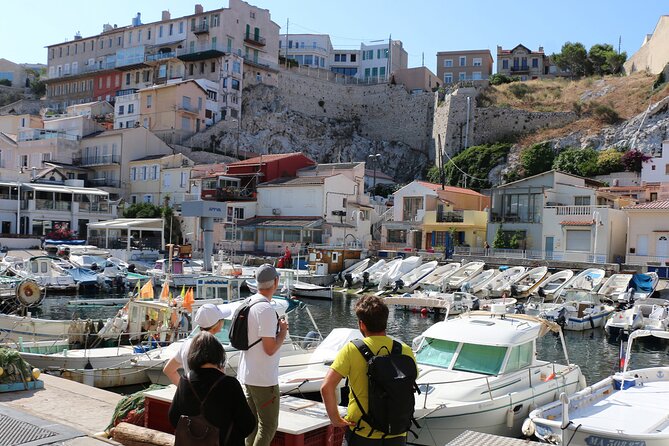
Next comes Vallon des Auffes, one of those places where you see the past without needing a museum ticket. The focus here is the way the fishermen’s habitat has been preserved through long waves of development.
What I like about this stop is the contrast. Marseille isn’t just modern waterfront. It also holds older ways of living—built into small-scale streets and house forms. You’ll get a chance to slow down, look carefully, and connect the dots between maritime work and the city’s “everyday architecture.”
It’s also an easy win for photos, because the view and building textures are naturally photogenic without you having to hunt for a perfect angle for 30 minutes.
Corniche Kennedy and Palais du Pharo: Walking Views, Not Just Lookouts
After Vallon des Auffes, you shift to the Corniche Kennedy. This is a walking segment along the sea horizon, and it helps you understand something big: Marseille pays attention to its Mediterranean identity. The ocean isn’t background here. It’s part of the daily setting.
From there you head toward Palais du Pharo and its square area. This stop gives you greenery and a viewpoint over both the Old Port and the Grand Port. It’s not just scenery. You’ll connect what you see with why the city’s modern shape took the route it did.
The palace ties into major political history. The guide points to the influence of Napoleon III and connects it to the urban development shaped during the Second Empire. If you’ve ever wondered why certain parts of Marseille look “more official” or more monumental, this is where the explanation starts.
Parc Valmer and Villa Valmer: From Olive Oil Trade to Modern Tourism

Then you move inland a bit, into Parc Valmer, including time around Villa Valmer. The vibe changes on purpose. You go from sea air and exposed streets to a calmer, greener environment.
This stop matters because it shows how Marseille’s economy shifted over time. You’ll hear how the area links back to the 19th-century olive oil trade, and then forward to the current role of tourism. That “past to present” connection is useful because it gives you a reason for what you’re seeing instead of treating parks as just places to rest.
It also matches the tour’s heat strategy. Even when the weather is warm, this kind of shaded break helps you keep moving without feeling cooked.
Chemin du Vallon de l’Oriol to Notre-Dame de la Garde: Quiet Paths, Then the Big Payoff
This is one of the most rewarding parts of the route: Chemin du Vallon de l’Oriol. The point here is getting away from the sea for a while and exploring Bompard, including how the neighborhood’s housing evolved over time.
You’ll walk along a path that feels more private than the main promenades. It’s the kind of street-level detour that helps Marseille stop being an outline on a map and start being a real city with neighborhoods, not just landmarks.
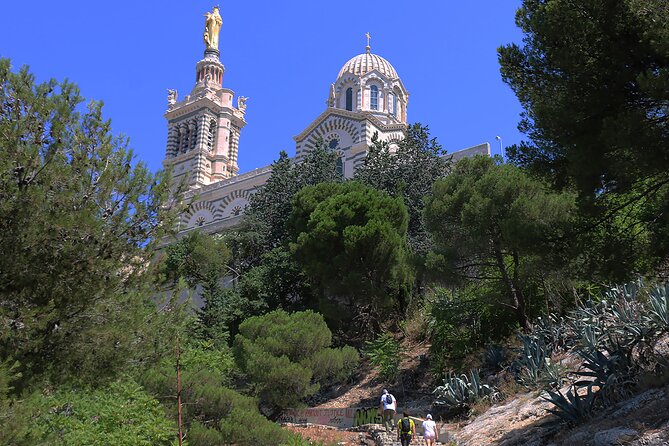
From this quieter path, the tour leads up to Notre-Dame de la Garde, and that’s the highlight. The basilica is the moment where your “city puzzle” clicks into place. You’ll look out over Marseille with a 360° view and see the structure of the city: the way monuments, major points of interest, and the urban sprawl relate to each other across the coastline and hills.
This is also where the walking effort pays off. Yes, you’ll climb and you’ll feel it in your legs, but you’re earning a perspective you can’t get from street level.
A few more Marseille tours and experiences worth weighing up before you book:


Anse de Malmousque: A Calm Cove and a Different Kind of Marseille
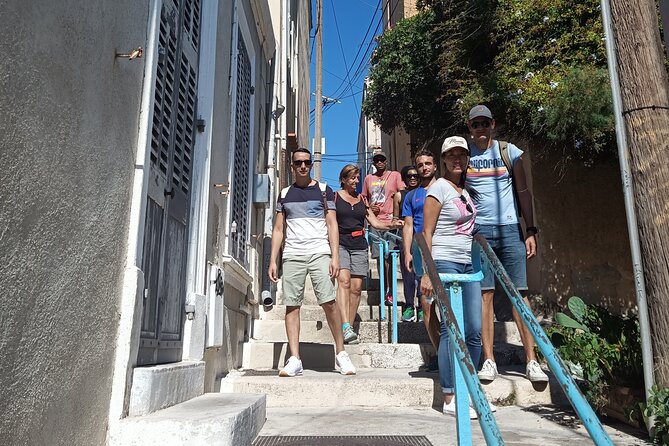
After the big view, you shift again toward the coast with Anse de Malmousque. This district and cove feel calmer, like a pause in the story. The route here emphasizes daily life near the seaside and the mix of history and building styles that give Marseille its character.
This is a good place for your brain to rest. You’ve been learning about architecture and history for a while, and now you get a gentler setting to take it all in. If you like watching how locals use space—especially near water—this stop delivers.
Boulevard André Aune and the Return Down: Where Marseille Gets Steep
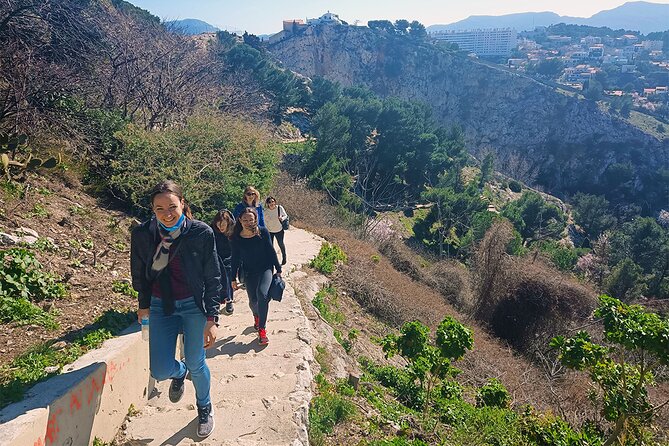
Heading back toward the Old Port, you’ll take Boulevard André Aune. It’s described as steep, and that’s exactly the point. The view from above is great, and then the route helps you feel how the city drops back into the center.
As you descend, you’ll also get one more round of explanations about architecture and how the city center’s building patterns shaped the look of the neighborhoods. Even if you’re tired, this stretch keeps you engaged because you’re moving through different “layers” of the city in real time.
Final Loop: Old Port, Palais de Justice, and Where to Grab a Drink
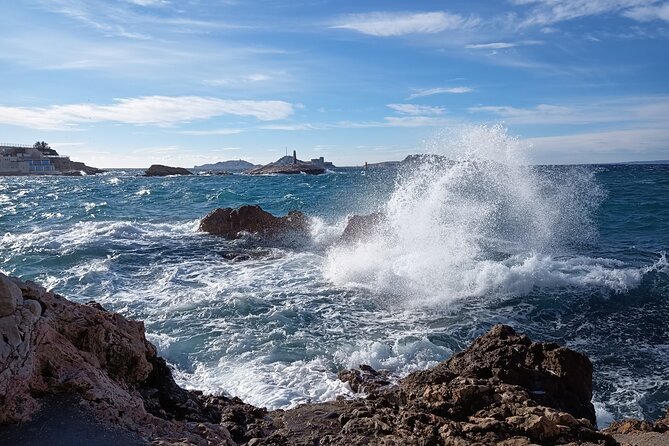
You end back at Le Vieux Port at the meeting point area. The final stretch is your reward loop: you’ve done the walking, seen the districts, and matched history to actual street scenes.
On the way, you pass near major Second Empire landmarks like the Palais de Justice and the Commerce Court. The tour connects these to the idea of power and law-making—how Marseille has long questioned central authority through the ages. You don’t need a textbook for this. The architecture gives you the anchor.
Once you’re back by the port, you’re set up to keep things easy: you can grab a beer or a hot chocolate at the terraces around Cours Estienne d’Orves. It’s a good way to end without turning your day into another logistical puzzle.
The Guide Makes It: Humor, Accuracy, and City DNA
The consistent standout across the experience is the guide’s style—especially Olivier. People highlight that he’s funny, knowledgeable, and focused on real Marseille details, not rehearsed speeches. That matters because Marseille changes block to block. A good guide helps you see patterns fast and avoid feeling lost.
You also get a sense that the walk is built for people who want more than a highlight reel. The route is designed for quiet spots and narrow streets, places you can’t easily reach by bus or car. That off-main-road structure is a big reason the tour feels like Marseille rather than a generic “French city” day.
Practical Stuff You Should Plan for Before You Go
Wear good walking shoes. This is a hike. Even with breaks, you’ll climb and you’ll handle steep streets plus stairs tied to Notre-Dame de la Garde.
Try to pick a time slot that matches your comfort with heat. The tour is built with warm-weather logic: a slower rhythm, numerous shaded zones, and breaks in wooded parks. You also get 8 water points, plus sun cream available on route.
This tour runs in a small group of up to 10, which helps with pace and keeps questions from getting swallowed. You’ll also have a mobile ticket, so plan to have your phone ready.
One more note: the tour needs good weather. If conditions are poor, you’ll be offered another date or a full refund. And if you have tight needs around language, it’s smart to confirm before you go, since at least one past booking situation pointed to French-only guide availability.
Who This Tour Suits Best (and Who Might Prefer Something Else)
I think this hike is ideal if you want a half-day workout that doubles as city orientation. It’s especially great for first-timers who want to understand Marseille’s “why” behind the sights, not just take pictures.
You’ll also enjoy it if you like walking through neighborhoods rather than staying locked onto a waterfront line. Stops like Vallon des Auffes, the Corniche, and the residential paths toward Notre-Dame de la Garde give you a real sense of how people live here.
If you’re looking for an easy, stroller-style route with no stairs, this probably won’t be your match. The tour includes climbing and steep sections, and it depends on weather.
Should You Book This Urban Hike of Marseille?
If your goal is to learn Marseille’s structure in a fun, physical way, I’d say yes. For $41.27 per person, you’re getting a guided 10 km route, small group size, 8 water points, and a payoff view from Notre-Dame de la Garde that helps every other Marseille sight make more sense.
Book it if you’re the type who likes street-level details and short stories tied to real places. Skip it if your day requires zero hills, or if you strongly need a specific guide language and haven’t confirmed it ahead of time.
FAQ
FAQ
Where does the Marseille urban hike start and end?
The tour starts at 19 Quai des Belges, 13001 Marseille, and it ends back at the meeting point.
How long is the walk?
The duration is about 3 hours 30 minutes.
How far do you walk?
The hike is about a 10-kilometer route.
How big is the group?
The group size is capped at a maximum of 10 travelers.
Is the ticket digital?
Yes, you receive a mobile ticket.
What if the weather is bad?
The tour requires good weather. If it’s canceled due to poor weather, you’ll be offered a different date or a full refund.
Can I get a full refund if I cancel?
Yes. You can cancel up to 24 hours in advance for a full refund. If you cancel less than 24 hours before the start time, the amount you paid isn’t refunded.
More Trails Around Marseille
More Tour Reviews in Marseille


The Calanques on Foot

Just Added: Fresh Marseille Reviews









Calanques Hiking & Climbing, compared.
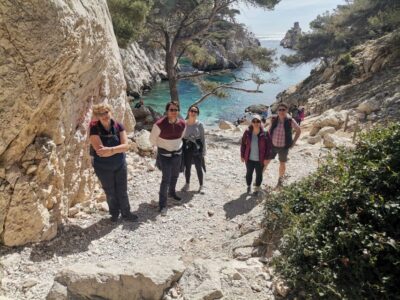 ★ 4.9Calanques National Park Guided Hike with PicnicFrom $41516 reviews
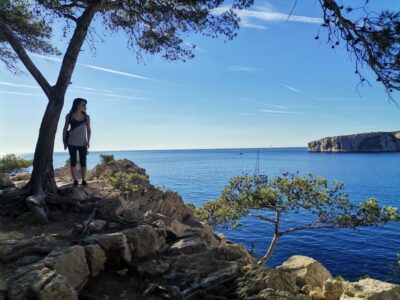 ★ 4.8Calanques National Park Guided HikeFrom $41489 reviews
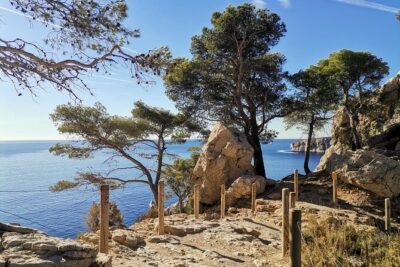 ★ 4.5Hiking in the Calanques National park from MarseilleFrom $42211 reviews
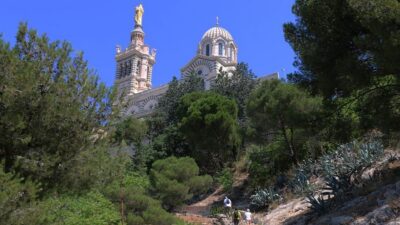 ★ 4.9Urban Hiking Tour with a Local GuideFrom $46198 reviews
 ★ 4.7Cassis: 3 Calanques Half-Day Hiking Tour with SwimmingFrom $51158 reviews
 ★ 4.8Guided Hiking Calanques National Park from LuminyFrom $47100 reviews
 ★ 4.0Rando-Palmée Getaway Around an islandFrom $6854 reviews
 ★ 5.0Guided hike in the Calanques National ParkFrom $4737 reviews
Browse the lists this tour appears in