
Reviewed · VIEUX-PORT & LE PANIER WALKS
Marseille : Vieux-Port & Panier Walking Tour
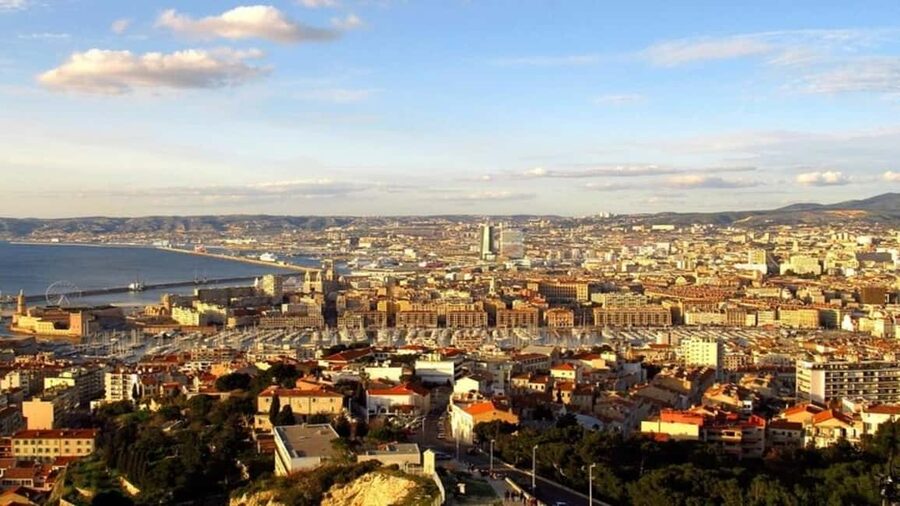
Marseille hits hardest at street level, and this private walk strings together the Vieux-Port harbor, Le Panier lanes, and the museum-and-cathedral stretch. You get a local guide who keeps the story moving and points out what to look for as you go, instead of dumping facts and moving on.
I like two things a lot here: the tour is private and customizable, so your guide can steer the pace toward what you care about, and you also get help booking tickets for the planned visits. The small details show up in how guides work too—one guide, Sera Kiwan, was praised for attentive, high-quality English, and another, Anthony, was noted for geeking out on exact building details.
One thing to consider: it’s a 3-hour walking tour, with time at multiple sites, so comfortable shoes matter. If you’re short on mobility or prefer very slow sightseeing, you’ll want to discuss your needs with the guide so the route fits.
In This Review
- Key highlights worth planning around
- Why this Vieux-Port to Panier route works so well
- Starting at Quai de Rive Neuve: get your bearings the easy way
- Fort Saint-Jean: a short stop with big panoramic payoff
- MUCEM (Museum of European and Mediterranean Civilisations): modern culture with context
- Marseille Cathedral (Cathédrale de la Major): 19th-century architecture you can read at street level
- The Old Port (Vieux-Port): the working heart you can actually feel
- Le Panier: narrow streets, street art, and local shops
- La Vieille Charité (Centre de la Vieille Charité): an almshouse turned cultural center
- How a private guide makes the difference (and why it shows in reviews)
- Price and what $43 gets you for three hours
- What to bring, what to expect, and how to stay comfortable
- Who this tour suits best
- Should you book the Marseille Vieux-Port & Panier tour?
- FAQ
- How long is the Marseille Vieux-Port & Panier walking tour?
- Where does the tour start?
- Is this tour private?
- What languages are available?
- Does the tour include transportation?
- Is the tour wheelchair accessible?
- Is food or drinks included?
- Can I cancel for a full refund?
Key highlights worth planning around
- Private, exclusive guide time with no one else joining your group
- Fort Saint-Jean viewpoints built into the route so you don’t miss the harbor skyline
- MUCEM + major cathedral area in one efficient stretch, not scattered across your whole day
- Le Panier street atmosphere with stops for street art and local shops
- La Vieille Charité (Centre de la Vieille Charité) where a former almshouse becomes a cultural center
- Guide-led ticket help so you spend less time juggling reservations
Why this Vieux-Port to Panier route works so well
Marseille can feel like a city you either rush through or take personally. This tour is built for the second approach: you start at the water, move into the older quarter, then finish with the big visual anchors near the harbor.
In about three hours, you cover a lot of “Marseille DNA.” You’ll see the working-waterfront energy, the tight winding neighborhood streets of Le Panier, and the contrast of 19th-century architecture plus a modern culture museum. That mix helps you understand the city as more than postcard scenery.
And because it’s private, your guide can shape the emphasis. If you’re most interested in architecture, you’ll naturally get more time where buildings dominate. If you care more about street life and neighborhoods, the Panier portion can become the focus instead of a quick photo stop.
More of the Vieux-Port and Le Panier on foot


Starting at Quai de Rive Neuve: get your bearings the easy way
You meet along Quai de Rive Neuve near the Old Port (Vieux-Port), which is a smart starting point. You’re already in the part of Marseille people use day to day, so the city doesn’t start with a lecture—it starts with movement, noise, and salt air.
This first stretch is useful for two reasons. First, you can orient fast: you’ll understand where the harbor wraps, where the big monuments sit, and what direction the neighborhood climbs. Second, your guide can set the tone for what you’ll see next, including why the Old Port mattered historically.
If you come in a bit jet-lagged or overwhelmed, starting here helps you shake that off quickly. You’re not trying to decode a maze right away—you build your map while you’re walking beside the water.
Fort Saint-Jean: a short stop with big panoramic payoff
Fort Saint-Jean is one of those places where a little time creates a lot of payoff. You’ll get a photo stop and a guided look at the area, with enough time to see the harbor spread out and understand how Marseille faces the sea.
The fort works on two levels. Visually, it gives you the wide-angle perspective you can’t get from street level alone. Mentally, it ties together the tour’s story: the Old Port, the surrounding neighborhoods, and the modern cultural landmarks all start to make sense in the same frame.
A practical note: because this is a walkway-and-viewpoint moment, you’ll want to stay aware of footing. Even when it’s not a steep climb, older harbor areas often mean uneven paving and wind.
MUCEM (Museum of European and Mediterranean Civilisations): modern culture with context
From the fort viewpoint, the route naturally flows toward the Museum of European and Mediterranean Civilisations, known as MUCEM. This is where the tour shifts from “Marseille as scene” to “Marseille as idea.”
The guided time here matters because you’re not just looking at a building. You’re learning what makes it a dedicated modern space for Mediterranean culture, and your guide helps you connect it to the city around it. That context can turn a quick museum scan into a more meaningful stop—especially if you’re the type who likes museums but hates feeling lost inside them.
If you’re museum-leaning, you’ll appreciate that the stop is built into the walking flow rather than forcing you to plan a separate half-day. If you’re not museum-leaning, don’t worry: you’re still getting guided structure so you know what to prioritize during your visit.
Marseille Cathedral (Cathédrale de la Major): 19th-century architecture you can read at street level
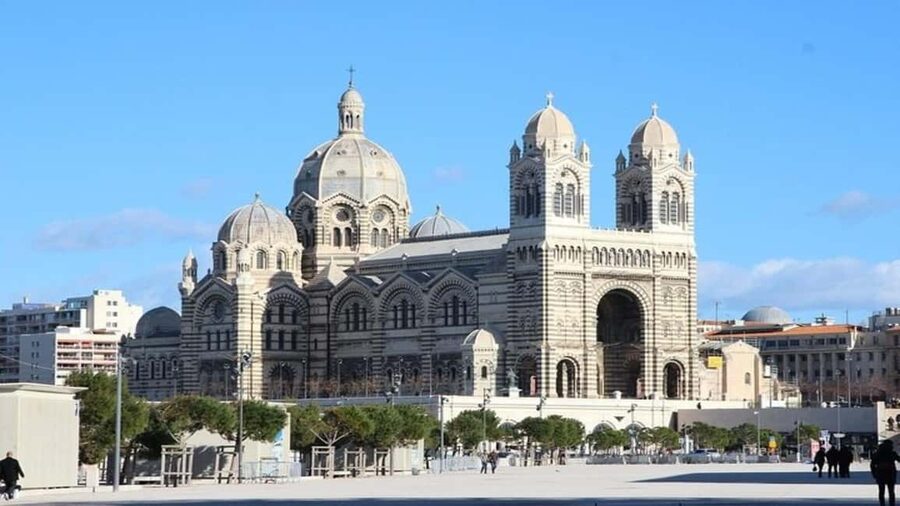
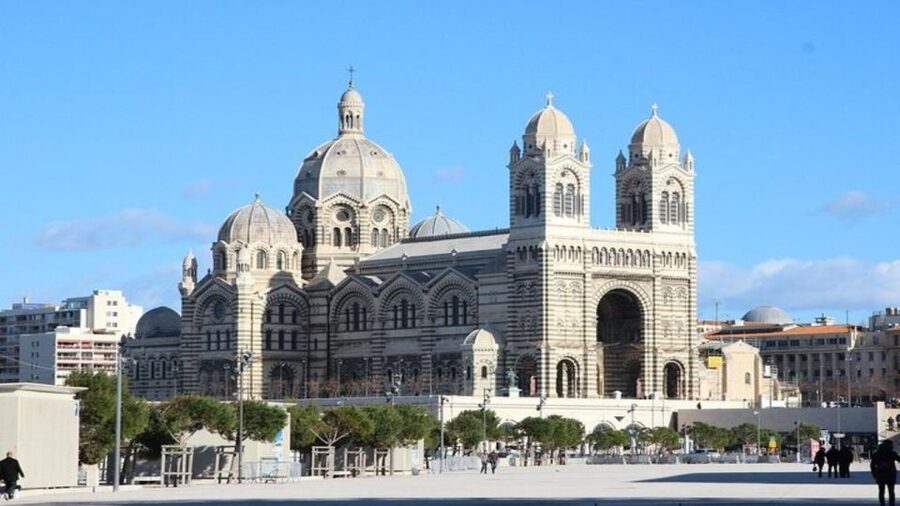
Next comes the Marseille Cathedral, the Cathédrale de la Major, famous for its striking look and 19th-century architecture. Seeing it through a guide’s eyes changes how you experience it. Instead of simply noticing the size, you learn how parts of the building function and why the design feels the way it does.
One review highlighted a guide who went down to tiny specifics, like details around a cathedral door and even where a particular wood was imported from. That’s the kind of attention you want on a short tour. You leave feeling you noticed more than just the obvious.
The cathedral stop also works as a reset. After the fort’s open views and MUCEM’s modern presence, the cathedral brings you back to bold architectural form you can visually compare. Even if you only spend about half an hour, you’ll leave with a clearer mental picture of what defines this part of Marseille.
Marseille at walking pace, more routes




The Old Port (Vieux-Port): the working heart you can actually feel
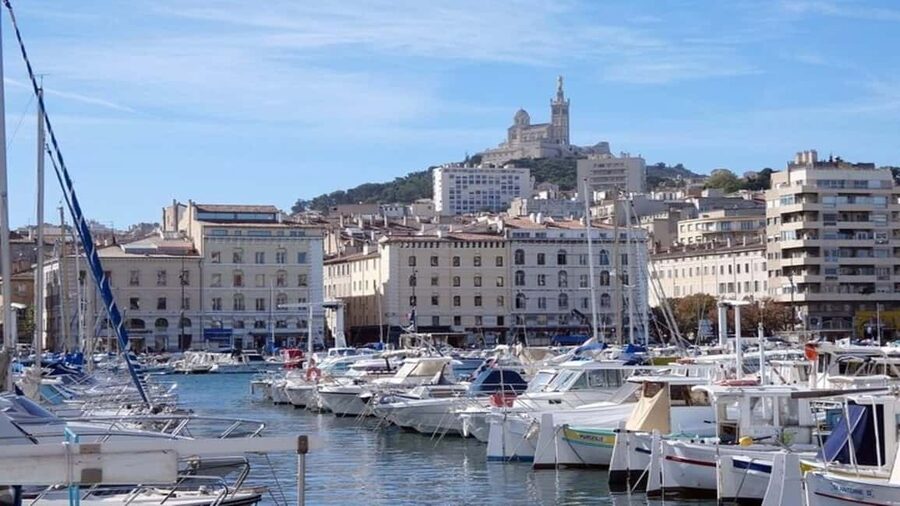
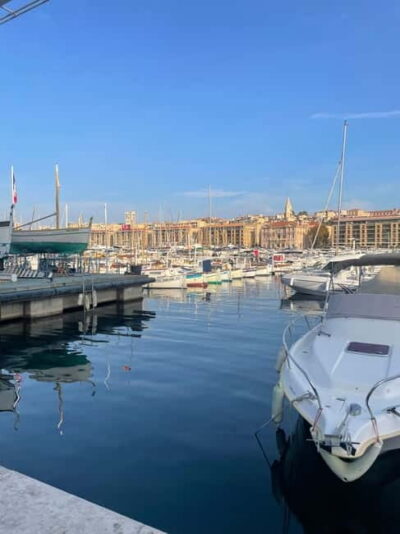
Then you circle back to the Old Port of Marseille, and this is where the tour stays real. The Old Port isn’t a quiet museum courtyard. It’s a place people come to see, walk, and be around boats and day-to-day waterfront life.
Your guide explains why the Old Port matters to Marseille’s story, so you’re not just staring at water. You’ll also likely notice how the harbor’s shape influences movement: where people naturally gather, how streets funnel toward it, and why certain vantage points make sense.
This part of the tour is also a good time to slow down and take in the atmosphere—especially if you’ve been moving through neighborhoods and monuments. You can get your bearings and prepare for the tighter streets of Le Panier.
If you’re the type who needs photos for proof you were there, this is your zone. It’s easy to take good shots here without hiking to every viewpoint.
Le Panier: narrow streets, street art, and local shops
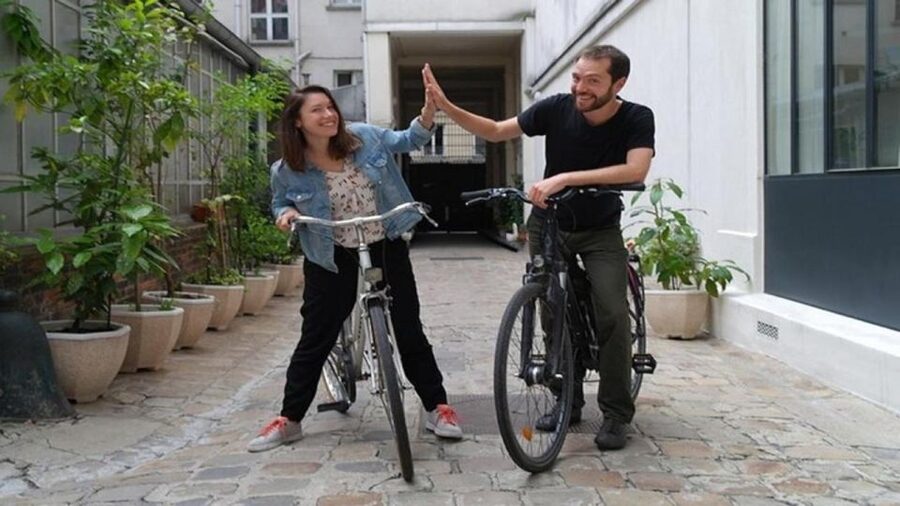
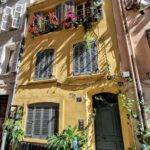
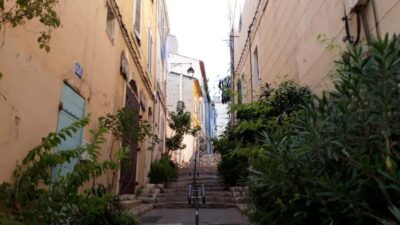
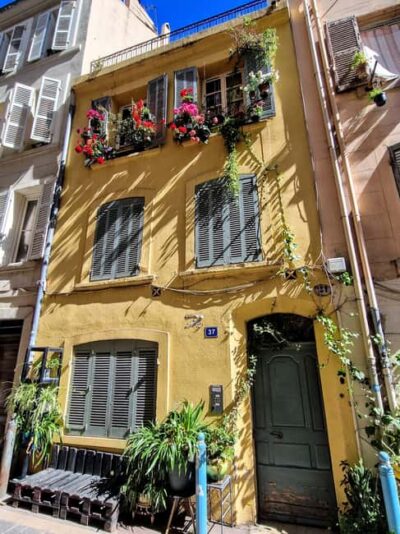
Now comes one of the most memorable parts: walking into Le Panier. This neighborhood is where Marseille feels older and more intimate, with narrow streets that make you slow down without trying.
Your guide will weave you through the area, stopping along the way to admire street art and notice local shops. The value here isn’t only visual. It’s learning how to read the neighborhood at a human pace—what streets feel like, what corners you should look at twice, and how the area’s character shows up in small details.
One reason I like this portion in a guided format is that street art can be easy to miss if you’re not sure where to look. A good guide helps you spot what’s worth lingering for, and keeps you from turning the Panier walk into a sprint of photo ops.
Wear comfortable shoes, and plan to accept that some streets are tight and uneven. That’s part of the deal here—Le Panier is not a wide boulevard city.
La Vieille Charité (Centre de la Vieille Charité): an almshouse turned cultural center
The tour then reaches La Vieille Charité, also known as the Centre de la Vieille Charité. This is a former 17th-century almshouse that now operates as a cultural center, and it’s an important stop for understanding how Marseille reuses buildings rather than simply replacing them.
In about the time given, you’ll learn about the history and architecture enough to connect the building’s original purpose to how people use it now. That contrast is the point. You see how an old institution’s structure can still feel relevant when repurposed for culture.
This stop also gives you a nice change of pace from open-air wandering. Even if the exterior grabs your attention, the guided look helps you appreciate why the design works—so you’re not just checking off a landmark.
How a private guide makes the difference (and why it shows in reviews)
The best compliment you can get for a short tour is not that it was fast. It’s that it was engaging and specific. Two guide-name examples from recent bookings point to exactly that kind of performance.
Sera Kiwan was praised for being attentive to what was important to the group and for having excellent English. That matters on a tour like this because the route connects very different kinds of sights—harbor viewpoints, neighborhood texture, and architecture. You want someone who can steer the narrative to match your interests.
Anthony was praised for knowing the city down to tiny construction-level details, including the origin story behind a specific cathedral door element. Again, that kind of detail is what turns a sightseeing walk into something you remember, because you leave with facts tied to what you actually saw in front of you.
With a private group, you also avoid that common problem of getting stuck in the middle of other people’s pace. Your guide can slow down for questions or speed up when you’re ready to move.
Price and what $43 gets you for three hours
At $43 per person for a three-hour private walking tour, the value comes from the combination of guide time plus structured site visits. You’re not paying just for directions. You’re paying for a guide to connect dots across the harbor, the Panier neighborhood, and the monument-heavy stretch around MUCEM and the cathedral.
It also helps that ticket help is included. That doesn’t mean you should assume entry is free, but it does mean you avoid the hassle of booking everything on your own while you’re trying to enjoy the day.
You’ll also want to think about what you’d otherwise do on your own. If you self-plan, you spend time figuring out where to go in what order. On a short timeline, that planning time is the hidden cost. Here, the route is already organized for walking efficiency.
The only straightforward “watch-out” on price value is that food and drinks are not included. If you’re hungry, you’ll need to budget for breaks—though the tour length is short enough that you can usually plan lunch around it.
What to bring, what to expect, and how to stay comfortable
Because this is a walking-focused tour with multiple stops, your comfort setup matters. Bring comfortable shoes and dress for coastal weather swings; the Old Port area can feel cooler or windier than inland streets.
The tour uses walking and also public transport as part of the experience, depending on what route options are chosen. That’s a plus if you want to save your legs for the parts that matter most, like Le Panier streets and the viewpoint zone around the fort.
Also plan your expectations for time at each site: there are short guided moments and photo stops rather than long free-form wandering. That’s ideal if you want depth without losing the day. If you’re the type who likes to linger for 60+ minutes per stop, you might feel the pace is tight.
Who this tour suits best
This is a great match if you:
- Want a structured way to see major Marseille highlights without juggling logistics
- Care about local context, not just photos
- Prefer a route led by a guide who can tailor attention to your interests
- Like the mix of harbor views, architecture, and neighborhood atmosphere
It’s less ideal if you hate walking or want a purely self-paced experience. In that case, you could still enjoy Marseille on your own, but you’d likely lose the tight story thread a guide provides.
Should you book the Marseille Vieux-Port & Panier tour?
I’d book this if you want Marseille in three hours and you like getting more out of each stop than a quick walk would give you. The route is efficient, the sights complement each other (Old Port → Panier → cathedral/MUCEM zone), and the private format means your questions and priorities actually matter.
I would hesitate only if you know you need long stays at museums or you’re concerned about walking pace. For everyone else, this is a strong way to get your bearings and see the city’s character in a single connected outing.
FAQ
How long is the Marseille Vieux-Port & Panier walking tour?
The tour lasts 3 hours.
Where does the tour start?
The meeting point is 1 Quai de Rive Neuve, 13001 Marseille, France.
Is this tour private?
Yes. It’s a private, exclusive tour with no one else in your group.
What languages are available?
The live guide is available in English, French, and Spanish.
Does the tour include transportation?
It includes a walking tour and public transport, except if you select one of the option types offered by the activity.
Is the tour wheelchair accessible?
Yes, the tour is wheelchair accessible.
Is food or drinks included?
No. Drink or food is not included.
Can I cancel for a full refund?
You can cancel up to 24 hours in advance for a full refund.
More Tour Reviews in Marseille




Marseille at Walking Pace
The Vieux-Port and Le Panier

Just Added: Fresh Marseille Reviews










Vieux-Port & Le Panier Walks, compared.
 ★ 5.0Guided Tour in Marseille: Vieux Port & Old CityFrom $60124 reviews
 ★ 4.8Foodie Walking Tour of the Cours Julien DistrictFrom $7197 reviews
 ★ 5.0“Old Marseille” district tour and treasure huntFrom $3374 reviews
 ★ 4.4Old Port and City Highlights Boat TourFrom $4063 reviews
 ★ 5.0découvrir la vieille ville avec un marseillaisFrom $2561 reviews
 ★ 4.4Cosquer Cave Ticket & Panier District Audio TourFrom $2717 reviews
 ★ 5.0Guided Tour in Aix-en-Provence: Historical Old CityFrom $6515 reviews
 ★ 4.0Marseille Old Town Exploration Game and TourFrom $812 reviews
Browse the lists this tour appears in