
Reviewed · GUIDED
Marseille: Guided Pétanque Game with Local Aperitif
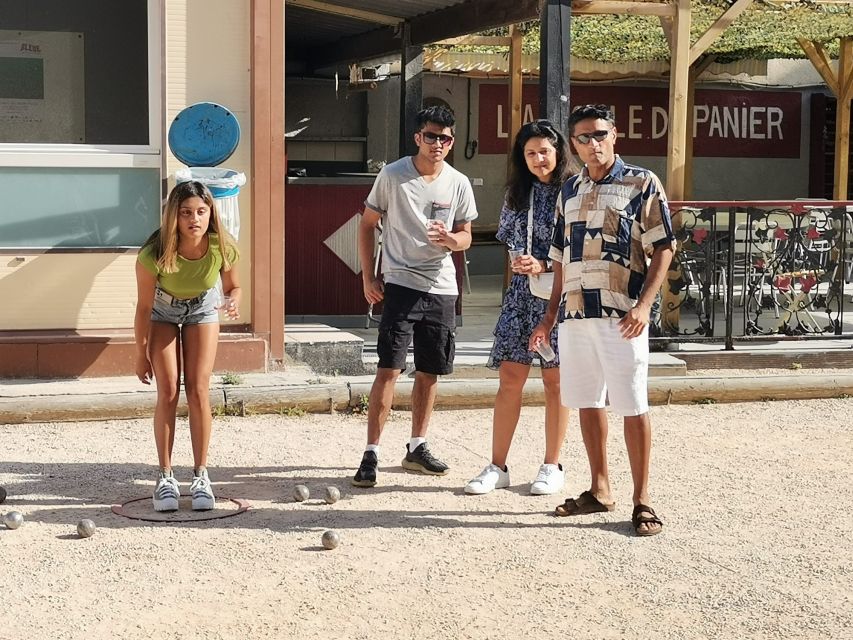
Pétanque in Marseille feels like street theater. The best part is how the tour starts at the Maison de la boule in the Panier District, then gets you onto the courts near the esplanade of the Major for hands-on play, not a lecture. I like the social, family-friends energy around the game, and I really enjoy the chef’s-kiss combo of play followed by a pastis aperitif. One catch: if you’re craving a long, detailed history lesson, you may wish for more time on the story of the game.
With a live guide (English, French, Spanish) and balls provided, you don’t have to be good to join in. The experience is also a good fit for a mixed group, since the pace is relaxed and friendly competition keeps things moving. The tour runs about 2 hours, and it’s not suitable for kids under 12.
In This Review
- Key highlights worth showing up for
- From Maison de la boule to the courts: the Panier setup that works
- How your guide (often Z) turns the rules into real throws
- One hour of play near the esplanade of the Major: what you’ll actually do
- Club access and local etiquette: the difference between watching and joining
- The aperitif moment: pastis and rosé after play
- Price and time: why $41 feels reasonable for what you get
- Who should book this, and who might not love it
- Practical tips before you go (so you enjoy it more)
- Should you book this Marseille pétanque + aperitif tour?
- FAQ
- FAQ
- How long is the Marseille guided pétanque game with aperitif?
- Where does the tour start?
- Do I need to know how to play pétanque beforehand?
- Is the pastis and rosé included?
- What is the group size requirement?
- What languages are the guides available in?
- Is the activity wheelchair accessible?
- Is it suitable for children?
Key highlights worth showing up for
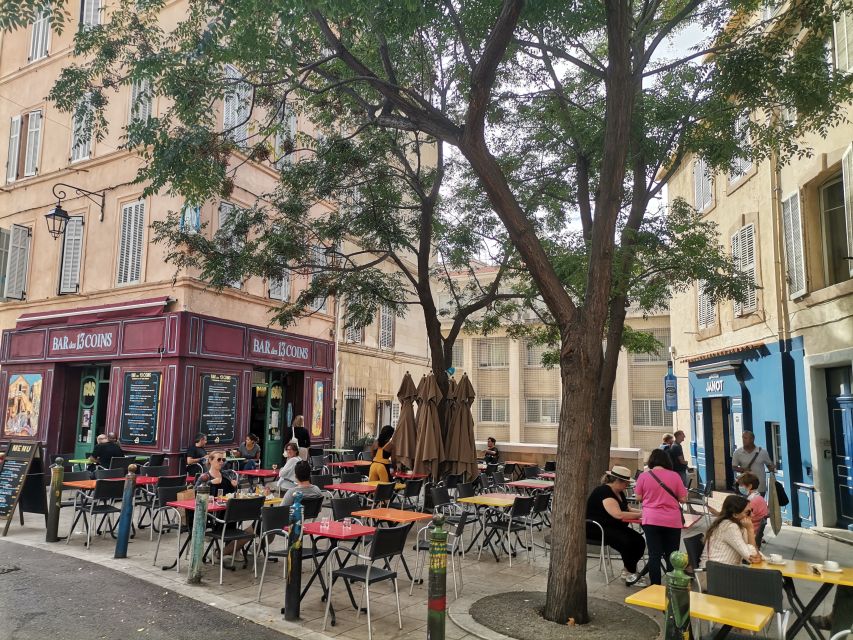
- Maison de la boule start: you get the vibe from the ball shop before you ever play
- Local club entry: access to the kind of place you’d likely walk past
- Guide-led origin + rules: even if you’ve never thrown a boule, you’ll get oriented
- Two-part experience: one hour of play, then an aperitif break
- Aperitif is part of the point: pastis and rosé keep the mood convivial
- Friendly structure: a guided session for a minimum group size of 4
From Maison de la boule to the courts: the Panier setup that works
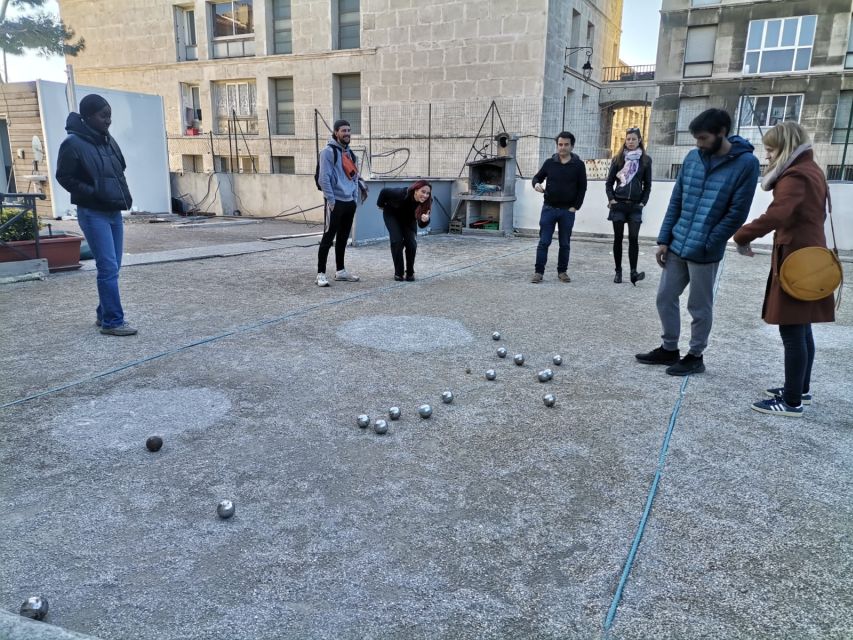
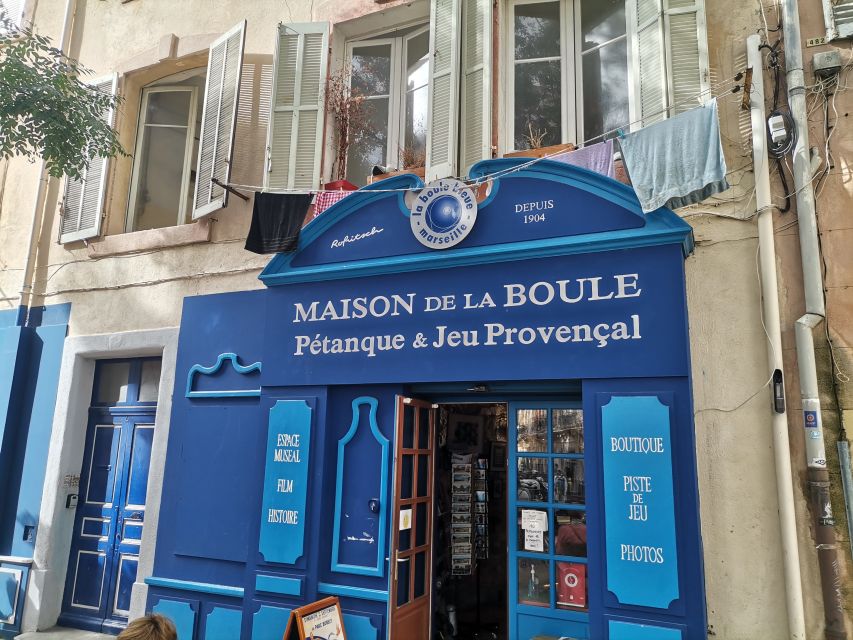
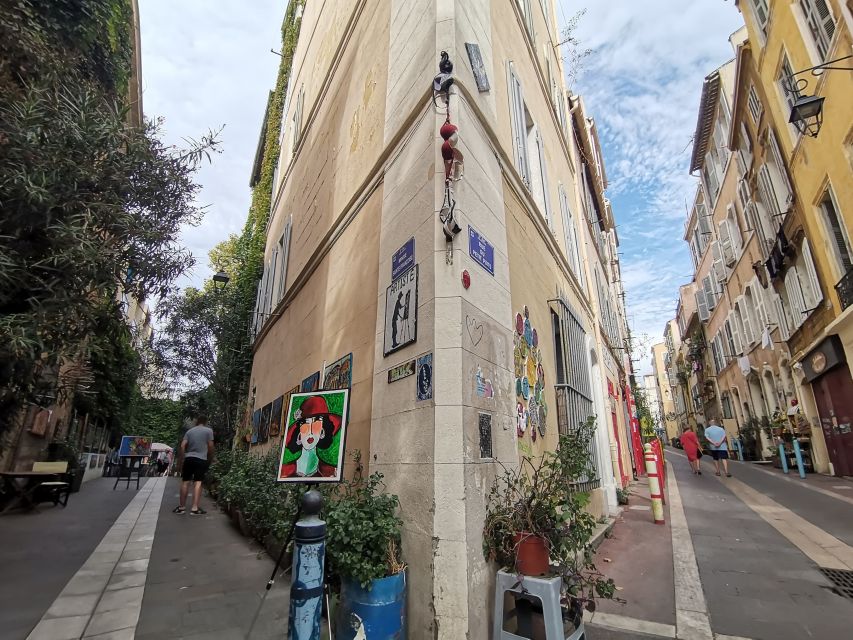
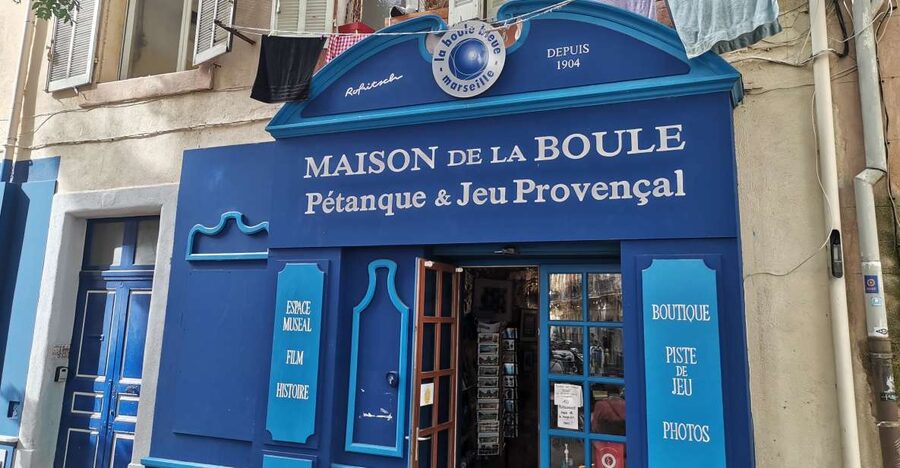
You’ll begin in Marseille’s Panier, right where it makes sense to start if you want to feel the game instead of just reading about it. The first stop is the Maison de la boule, a shop devoted to pétanque balls and all the little gear details that signal this is more than a casual pastime here. You’ll see how serious locals can be about something as simple as weight, grip, and balance—without losing the easygoing tone.
Why I think this matters: the game can look confusing at first. Starting in a store focused on the basics helps you connect the dots fast. You stop thinking of pétanque as random rolling and start seeing it as a practiced skill with local pride.
Then you’ll get moving toward play. The tour keeps the walking simple and short, so the day doesn’t turn into a hike with a side quest of sports. Expect to be set up and ready to throw pretty quickly.
Hand it to a local, more relaxed days


How your guide (often Z) turns the rules into real throws
The session is led by a live guide, and in this experience the host is described as a cool, patient presence—someone who can handle groups that vary a lot in experience. In one group, Z was praised for building an excellent experience for a larger party, including people who had never played before.
You’ll hear an explanation of where pétanque comes from and how it’s tied to Marseille culture. You’ll also learn what matters for getting your first results: where to stand, how to aim, and what the goal actually is on the ground. If you’ve played something like bocce, you’ll recognize the shape of the challenge right away. If you haven’t, you’ll still be able to participate because the guide is there to help you get your throws right—at the level the moment demands.
Here’s a practical tip based on how these guided sessions usually work: listen early, then ask a quick question when you’re holding a boule. Most people don’t need a full textbook. They need one or two corrections so the next throw makes sense.
Potential drawback to keep in mind: the history piece exists, but it’s more of a starter than a deep seminar. If your main goal is long-form history, you might finish thinking there was more story you wanted to hear.
One hour of play near the esplanade of the Major: what you’ll actually do
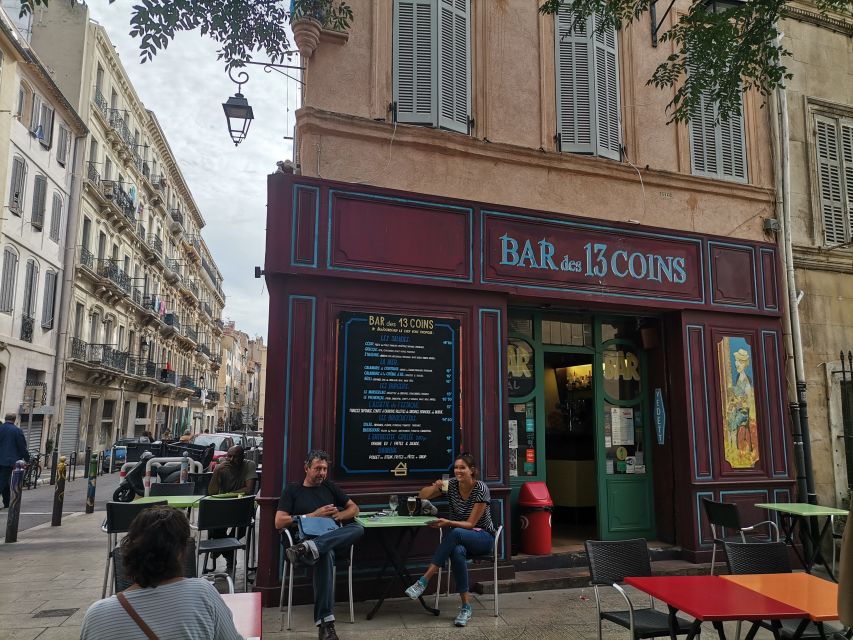
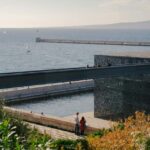
After the intro, you’ll head to the play area near the esplanade of the Major. This is where the tour earns its keep. You’re not just watching; you’re playing, and you’ll use the pétanque balls provided for you.
The format is designed for mixed skill levels. That means:
- You’ll learn the basics through short practice moments and then move into a more structured round.
- You’ll get guidance as you go, so you’re not left guessing.
- The tone stays friendly, with the kind of light competition that makes groups cheer instead of check out.
What I like about the location choice is the feel. Pétanque is often played in public spaces where locals treat it like part of daily life. If you’re in Marseille and want one activity that teaches you how people actually hang out, this does it without turning the game into a show for tourists.
Also, playing for about an hour keeps it realistic. You’ll get enough time to improve a little, but it won’t drain your whole afternoon.
Club access and local etiquette: the difference between watching and joining
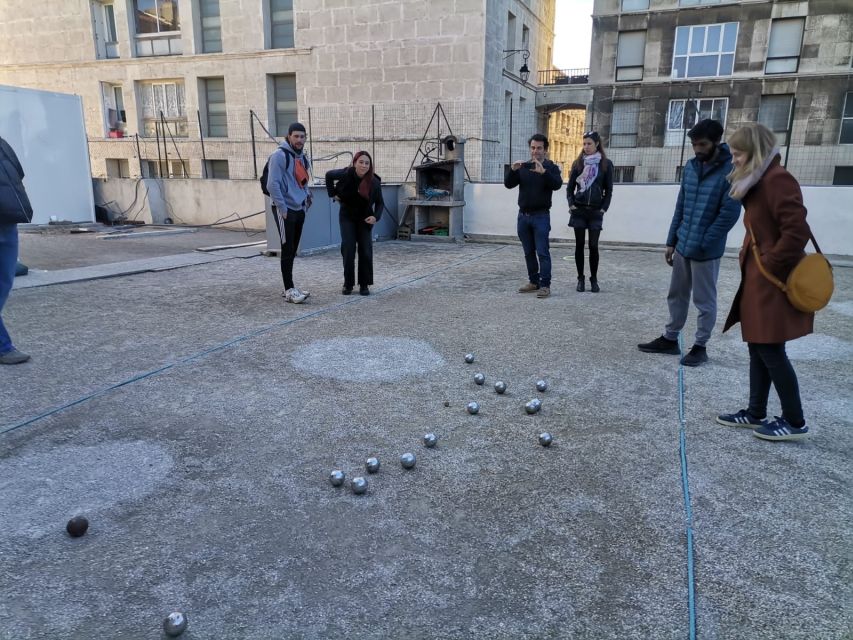
A key part of this tour is entry to a traditional pétanque club. That’s not just a line in the description—it’s the reason the experience can feel more “local” than a walk-and-try demo.
When you enter a club setting, you’re more likely to absorb the rhythm of how the game gets played: how people take turns, how they talk while throwing, and how the group energy stays casual even when people are aiming carefully.
Even if you’re not fluent, you’ll pick up cues quickly. The guide acts as the translator, but the body language does the teaching too. And because the session is guided, you won’t have to worry about being “in the way.” You’re there for exactly this purpose.
In short: the club entry turns pétanque into an event you join, not a spectacle you passively consume.
The aperitif moment: pastis and rosé after play
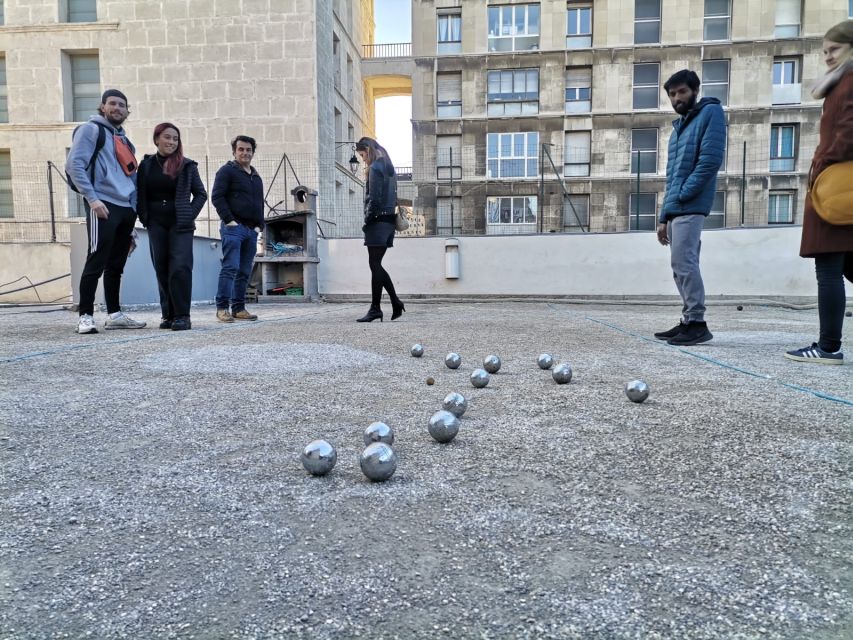
After about an hour of play, it’s time to slow down with a local aperitif: pastis and rosé. This is where the tour shifts from skill-building to social Marseille.
I like this pacing because it keeps the whole experience human. You throw a few boules, laugh at the near-misses, and then you settle into conversation. It’s also the point where groups gel—especially if you’re traveling with friends or you’re meeting people you didn’t know at the start.
Included drinks are pastis and rosé, and the important limit is this: more than 3 drinks aren’t included. So if you’re the type who wants to turn this into an all-night tasting session, you’ll need to budget for extra drinks on your own.
Practical note: pastis has a strong anise flavor. Some people love it immediately; others need a sip or two to get comfortable. If you’re sensitive to licorice-like flavors, start slow.


Price and time: why $41 feels reasonable for what you get
At $41 per person for a 2-hour guided experience, the value comes from the package, not just the sport.
You’re paying for:
- A live guide who handles rules, origin context, and group management
- Pétanque balls provided so you don’t hunt for gear
- Entry to a traditional club setting
- Pastis and rosé as part of the experience
For a short activity in a city like Marseille, this bundle matters. You’re not piecing it together with multiple tickets or trying to find a club willing to host a random group. You also get structure: one hour of play plus an aperitif, so you don’t end up with an awkward “what now?” gap.
Also, since the tour is designed for people who are new or returning, you avoid the common problem where a sporting experience assumes prior skill and leaves novices stuck. Here, the guide’s job is to help you play.
Who should book this, and who might not love it
This is a great fit if you want a Marseille experience that’s:
- Active but not exhausting: short play, clear guidance
- Social and low-pressure: friendly competition, lots of conversation
- Local-culture focused: club entry plus an aperitif ritual
It’s especially good for groups of friends and family. One review highlighted a group of nine girls and noted the guide’s patience, which tells me this tour works even when group dynamics are lively and people arrive with different skill levels.
It’s not suitable for children under 12, so families with younger kids should skip this one.
If your main goal is serious athletic training, you might feel it’s too relaxed. This is about community and fun, not coaching for tournaments.
Practical tips before you go (so you enjoy it more)
A few things will help you get the most out of the session:
- Wear comfortable shoes. You’ll be standing and moving around the play area.
- Bring a light layer if the evening air feels cool. Marseille can shift quickly depending on the time of day.
- Expect a group minimum of 4 participants. If the minimum isn’t reached, the activity is canceled and you’ll be refunded.
- The guide is available in English, French, and Spanish, so if you’re not confident in your French, you still have solid support.
- Wheelchair accessibility is listed, so it’s worth considering if mobility is a factor for you.
One more smart move: if you’re planning around drinks, remember more than 3 drinks aren’t included. Build your pace accordingly so you don’t feel rushed to keep ordering.
Should you book this Marseille pétanque + aperitif tour?
I’d book it if you want an experience that feels like a local afternoon: a real game, a real club context, and a proper Marseille aperitif moment. The biggest strengths are the hands-on play (even for beginners) and the way the tour builds a friendly group atmosphere that doesn’t require you to be sporty or “in the know.”
Skip it if:
- you want a long, detailed lecture on the origin of pétanque
- you’re traveling with kids under 12
- you prefer experiences that are purely sightseeing or purely sporting with no drink component
If you’re in the sweet spot—curious about Marseille, happy to learn by doing, and ready for pastis and rosé after a round—this is one of the easiest “how locals spend time” activities you can add to your schedule.
FAQ
FAQ
How long is the Marseille guided pétanque game with aperitif?
It lasts 2 hours.
Where does the tour start?
You start by visiting the Maison de la boule in the heart of the Panier District.
Do I need to know how to play pétanque beforehand?
No. The activity is designed to be friendly for both beginners and people who already know the basics.
Is the pastis and rosé included?
Yes. Pastis and rosé are included, and the tour notes that more than 3 drinks are not included.
What is the group size requirement?
The tour takes place with a minimum of 4 participants. If the minimum isn’t reached, the activity is canceled and you get a refund.
What languages are the guides available in?
The live guide is available in English, French, and Spanish.
Is the activity wheelchair accessible?
Yes, it’s listed as wheelchair accessible.
Is it suitable for children?
No. It is not suitable for children under 12 years.
Let a Marseille Guide Lead


More Tour Reviews in Marseille
Just Added: Fresh Marseille Reviews








Guided, compared.
 ★ 4.9Calanques National Park Guided Hike with PicnicFrom $41516 reviews
 ★ 4.8Calanques National Park Guided HikeFrom $41489 reviews
 ★ 4.8City Highlights Guided Half-Day E-Bike TourFrom $67325 reviews
 ★ 4.8Guided E-Bike Tour to Calanque de SormiouFrom $68308 reviews
 ★ 5.0Half-Day City Highlights Guided Walking TourFrom $58273 reviews
 ★ 4.9Urban Hiking Tour with a Local GuideFrom $46198 reviews
 ★ 4.9Essential Guided Walking Tour of the CityFrom $41161 reviews
 ★ 5.0Guided Tour in Marseille: Vieux Port & Old CityFrom $60124 reviews