
Reviewed · MARSEILLE WALKING TOURS
Marseille: Private Walking Guided Tour
Marseille moves fast, and this tour helps you keep up. I like the focus on Old Port energy and the way you get inside the Vieille Charité story, from almshouse to museum and cultural space. One caution: the experience depends a lot on the guide’s energy and depth, so you may want to set your expectations early.
This is a smart pick if you want a different slice of Marseille without rushing. In just two hours, you’ll walk key lanes, take in serious coastal views, and learn why places on the street matter, not just what they look like. The route is on foot, and it isn’t meant for everyone—there’s also specific mention that wheelchair users can be accommodated if you tell the operator beforehand.
In This Review
- Key things I’d prioritize on this walk
- Starting at Hôtel de Ville: a short walk that lets you set the tone
- Old Port first: Phare de Sainte Marie and the working-waterfront feeling
- Vieille Charité: from almshouse to museum and cultural center
- Canebière and the 1934 assassination context
- Corniche coastal road: sea views without a full-day commitment
- How the tour’s private, tailor-made style plays out in real life
- Price and logistics: is $217 per person worth it for two hours?
- Who this tour suits best (and who should reconsider)
- Should you book this private Marseille walking tour?
- FAQ
- Where is the meeting point?
- How long is the tour?
- Is this a private tour?
- Which languages are available?
- Are entrance tickets included?
- Is transportation included?
- Is the tour wheelchair accessible?
Key things I’d prioritize on this walk
- Old Port start at the Hôtel de Ville area so you begin where Marseille feels most “real,” near the quays.
- Phare de Sainte Marie by the water—quick, classic Marseille context right out of the gate.
- Vieille Charité in the Panier gives you culture in a historic building, not just photos.
- Canebière with 1934 context ties a famous assassination to a high street you’ll actually walk.
- Corniche coastal-road viewpoints in a short time window, ideal when you want the sea without hours of logistics.
- Private pacing means you can slow down for viewpoints or skip a stop if you’re not feeling it.
Starting at Hôtel de Ville: a short walk that lets you set the tone
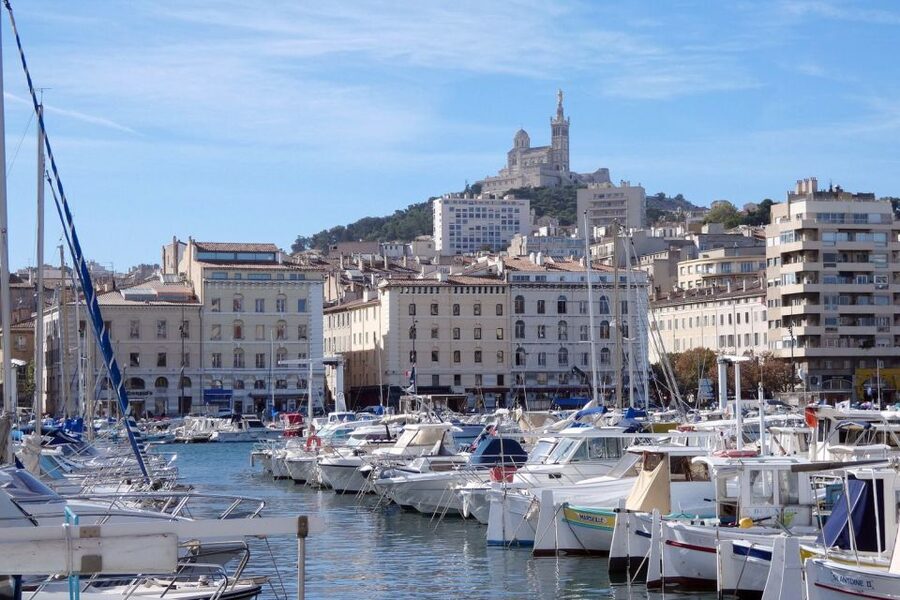
You meet at the Hôtel de Ville area by the Old Port, specifically in front of the town hall near the quays (Quai du Port). Starting here is practical: you’re close to the water, and you avoid losing time to bus transfers or complicated first-day wayfinding.
The tour runs for 2 hours and is a private group, which matters more than it sounds. On a short city walk, a private guide can adjust the tempo so you don’t feel dragged or stuck waiting. This is also where you can steer the vibe: if you care more about architecture, tell your guide early. If you’d rather focus on street life and viewpoints, say that too.
One more practical note: entrance tickets aren’t included. That can be good (you keep costs down), but it also means you should plan for the possibility of paying separately if you want to go inside a museum stop.
Marseille at walking pace, more routes


Old Port first: Phare de Sainte Marie and the working-waterfront feeling
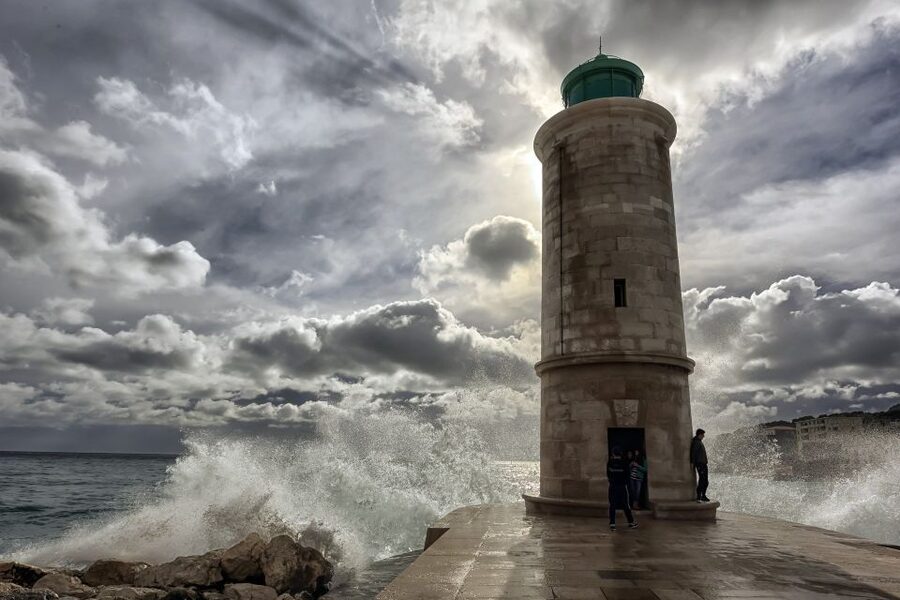
Your tour begins with Marseille at its maritime center: the Old Port and the limestone lighthouse Phare de Sainte Marie. Even if you’ve only got a few hours in the city, this is a strong opener because it explains Marseille’s attitude—sea-facing, trade-minded, and proud of its harbor role.
What I like about starting here is how quickly it gives you orientation. You understand the geography right away, and then every later stop makes more sense because you’re not guessing where the water is in relation to the streets.
Also, this is a place where you can actually watch how Marseille functions. You’ll be on the quays and in the port-adjacent area long enough to see the rhythm: boats, foot traffic, and that constant sense of movement that’s hard to fake from a bus window.
If you’re the type who loves photos, this is your early win. If you’re more “walk-and-learn,” it still works because the guide can connect the harbor to what you’ll see in the old neighborhoods to come.
Vieille Charité: from almshouse to museum and cultural center
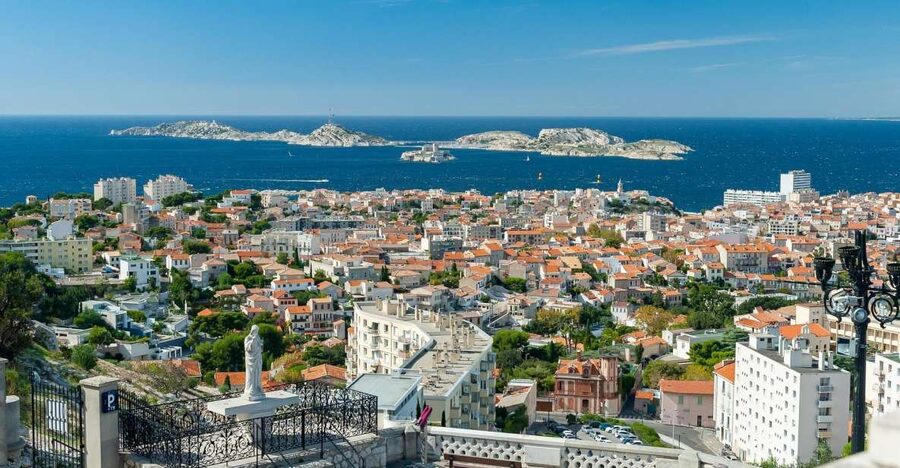
Next comes Vieille Charité, located in the Panier quarter. It’s a former almshouse now used as a museum and cultural center—so you’re not just sightseeing. You’re reading Marseille’s history through a building that was originally designed for care, not display.
This stop is valuable because it gives you a pause in the middle of a city-walk format. A lot of walking tours stay on the street level forever. Here, you get a chance to understand how Marseille has repurposed older structures into places for public life. That’s one of the ways cities keep their past without turning it into a theme park.
What to expect depends on what the guide focuses on, since entrance tickets aren’t included in the price. If you’re hoping for a full museum visit, plan to confirm whether you’ll be going inside during your two hours. If you’re fine with exterior context and a cultural overview, this stop still delivers.
This is also where your guide’s style shows. Some guides lean heavily into architecture and how the building functioned historically. Others may keep it more conversational. Either way, you’ll walk away with a clearer sense of why the Panier area feels like Marseille’s layered “old self,” not just an Instagram loop.
Canebière and the 1934 assassination context
Then you shift to one of Marseille’s best-known street names: the Canebière, a historic high street that your guide will connect to a major 20th-century event. In 1934, King Alexander I of Yugoslavia was assassinated here—meaning you’re walking past a landmark that isn’t only local trivia. It’s tied to wider European history.
This matters because it turns a long, straight avenue into something with stakes. You’re not just moving through the city; you’re moving through a timeline. That makes the Canebière easier to remember later.
A practical tip: on a high street like this, the street noise and movement can make it harder to hear. If you’re in the middle of the road-side crowd, ask your guide (politely) to pick a quieter moment or side lane to explain the context. You’ll get more out of it, and you won’t end up repeating the tour in your head later because you missed key details.
If you enjoy history but hate “facts-only” tours, this stop can be a good balance. You get one big event explained on a street you’ll actually experience, then you keep moving.
Corniche coastal road: sea views without a full-day commitment
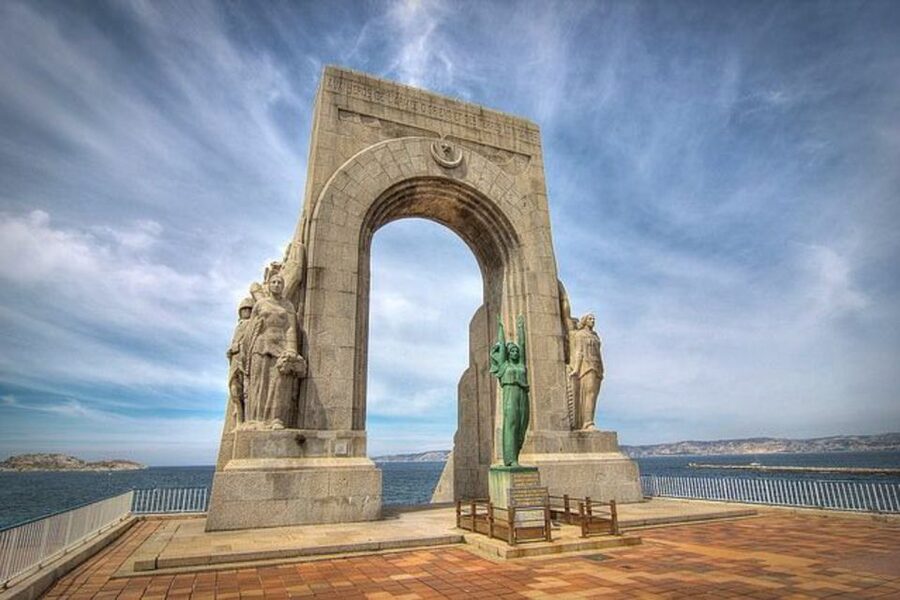
After the street context, you get the view payoff: the Corniche, a coastal road known for its scenery. This is one of those places where Marseille instantly feels different from the rest of France—less postcard city, more sea-and-cliff character.
Why this works in a two-hour tour: it compresses the best visuals into a short window. You don’t need to spend half a day planning a separate viewpoint route. You just walk there with a guide and enjoy the coastline while it’s still part of your story.
One thing to consider: viewpoints are great, but they can also be windy or bright. Bring sunglasses if the weather is strong. And if you’re the type who likes slow looking, tell your guide before you reach Corniche that you want a bit of extra time for photos and sea air.
This is also where your tour’s “tailor-made” promise can shine. If you’re more into views than history, you’ll likely want your guide to stretch the explanation less and let you look more.
Your own guide, more private Marseille days




How the tour’s private, tailor-made style plays out in real life
The pitch is simple: explore Marseille at your own rhythm on a private walking tour. In practice, that means you can expect your guide to adjust what they emphasize—port life, the Panier area, cultural context at Vieille Charité, or the sea-road viewpoints.
This is also where the mixed reviews become useful. Some people highlight guides who are competent, varied, and responsive to your requests. Others mention uneven energy, thin historical information, or communication issues when the group is moving fast. With a private guide, the “group” problem mostly disappears, but guide style still matters.
Here’s how you protect yourself and get value:
- Start your tour with two priorities: views vs. history, or Panier culture vs. harbor context.
- If history is your thing, ask for examples tied to what you’ll actually see on the street.
- If you want a faster tempo, ask for more walking and fewer long explanations.
- If your language matters, make sure you booked the language you’ll be comfortable with day-of (the available guide languages are English, French, Italian, and Spanish).
Because the tour is only two hours, there’s less time to “win you back” if you’re not clicking with the guide’s pace. So go in with clear goals, and you’ll likely leave happier.
Price and logistics: is $217 per person worth it for two hours?
At $217 per person, this isn’t a bargain-bin walking tour. The value only works if the private format fits your situation.
Here’s what you’re paying for:
- A private guide (not a shared group), which usually means more flexibility and less waiting.
- A tight route that covers Old Port, Vieille Charité / Panier, Canebière context, and Corniche views in 2 hours.
- Multi-language guiding (English, French, Italian, Spanish), useful if you’re traveling with someone who needs a specific language.
What’s not included: transportation and entrance tickets. That can reduce the total “included value,” depending on how much you plan to go inside. If you’re happy with the exterior and street-level context for Vieille Charité, costs stay cleaner. If you want more museum time, you’ll likely add ticket costs.
So who gets the best deal? People with limited time who want to see the main threads of Marseille—harbor identity, Panier-area culture, major street history, and sea views—without stitching together multiple separate plans. If you have plenty of time and enjoy self-guided wandering, a free or cheaper walking option might suit you better. But if you want structure and a human who can adjust on the fly, this price is at least aiming at convenience and coherence.
Who this tour suits best (and who should reconsider)
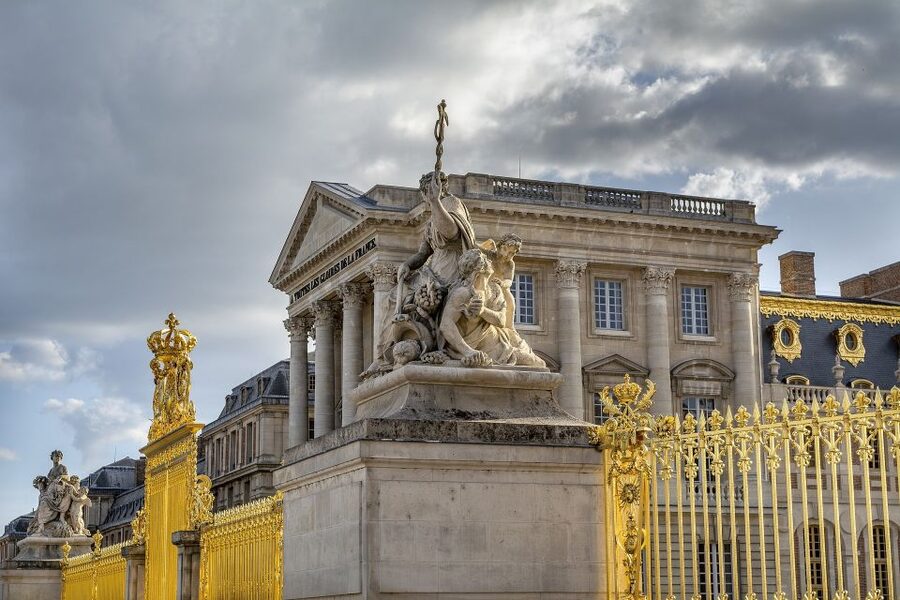
This tour is clearly built for people who want a guided way to see Marseille’s port-city side fast, and who like the idea of getting off the standard path a bit. It’s also described as a good fit for first-time visitors and those seeking a newer perspective on the city.
On the flip side, there are mobility constraints. The tour information says it’s not suitable for people with mobility impairments, yet it also notes that wheelchair users can be accommodated if you inform the operator beforehand. If you fall into that category, treat it as a must-check: message the operator early and ask exactly what route adjustments are possible for your specific needs.
Language coverage is another practical check. The tour offers English, French, Italian, and Spanish. If you need German or another language, it’s not listed here, so you’d want to confirm in advance rather than assume.
Should you book this private Marseille walking tour?
I think you should book if you:
- Want a tight two-hour route that hits the Old Port, Panier/Vieille Charité, Canebière history, and Corniche sea views.
- Like the idea of tailor-made pacing instead of a fixed script.
- Prefer paying for a guide who can shape the walk around your interests.
You might skip it if you:
- Want deep museum time with included entrance costs.
- Need a tour that’s guaranteed high-energy and history-heavy, because guide style can vary.
- Have mobility needs that require more certainty than the general accessibility notes provide.
If you decide to go, do one simple thing before you meet: tell your guide your two priorities. You’ll get more out of the $217 by steering the experience from minute one—and Marseille rewards that kind of attention.
FAQ
Where is the meeting point?
You meet in front of the main town hall (Hôtel de Ville), near the Old Port on Quai du Port.
How long is the tour?
The tour lasts 2 hours.
Is this a private tour?
Yes, it’s a private group tour.
Which languages are available?
The live guide is available in English, French, Italian, and Spanish.
Are entrance tickets included?
No, any entrance tickets are not included.
Is transportation included?
No, transportation is not included.
Is the tour wheelchair accessible?
The information says the tour can accommodate wheelchair users if you inform the operator beforehand. It also states it is not suitable for people with mobility impairments, so it’s important to confirm details with the operator.
More Tour Reviews in Marseille




Your Own Marseille, Just Your Group
Marseille at Walking Pace



Just Added: Fresh Marseille Reviews











Marseille Walking Tours, compared.
 ★ 5.0Half-Day City Highlights Guided Walking TourFrom $58273 reviews
 ★ 4.8No-Diet Club Local Food Tasting and Walking TourFrom $73173 reviews
 ★ 4.9Essential Guided Walking Tour of the CityFrom $41161 reviews
 ★ 4.7Walking Food Tour with Full MealFrom $99137 reviews
 ★ 5.0An Aix-traordinary Walking City Tour of Aix-en-ProvenceFrom $123101 reviews
 ★ 4.8Foodie Walking Tour of the Cours Julien DistrictFrom $7197 reviews
 ★ 4.9Guided Off-the-Beaten-Path Neighborhood WalkFrom $4863 reviews
 ★ 4.6Provencal Market Walking Tour with TastingsFrom $4150 reviews
Browse the lists this tour appears in